Europe's push to build a circular textile economy is facing an uncomfortable commercial truth. The technology capable of producing virgin-quality recycled polyester exists, but its economics remain far from competitive with conventional petrochemical production. As regulators tighten sustainability mandates under the European Union's Ecodesign for Sustainable Products Regulation (ESPR), fashion brands are discovering that compliance may come with a substantial cost premium that neither manufacturers nor consumers are yet prepared to absorb.
A comprehensive assessment by the European Commission's Joint Research Centre (JRC) highlights the scale of the challenge. Chemically recycled polyethylene terephthalate (PET) produced through solvolysis currently costs an average of €2,150 per tonne, while operational costs range from €1,650 to €2,650 per tonne. For textile-grade polyester recycled through fiber-to-fiber processes, production costs rise further to approximately €2,200 per tonne.
These figures stand in sharp contrast to today's virgin polymer market. Following the energy crisis of 2021-22, virgin PET prices have retreated significantly, trading largely between €1,000 and €1,700 per tonne during 2023-24 as excess petrochemical capacity, particularly in Asia, has pushed prices to multi-year lows.
The result is a cost disadvantage for chemically recycled polyester precisely when regulators want brands to use more of it.
Table: Cost comparison: virgin vs chemically recycled polyester
|
Polymeric raw material stream |
Average production cost range (€/tonne) |
Price spread vs virgin base |
|
Virgin PET / Mechanical Flake (2023–24) |
€1,000 – €1,700 |
Baseline Reference Market |
|
Solvolysis-Derived PET (EU Average) |
€2,150 (Range: €1,650 – €2,650) |
Up to +115% Cost Premium |
|
Fiber-to-Fiber Polyester Solvolysis |
€2,200 |
Up to +120% Cost Premium |
|
Pyrolysis Polyolefin Equivalents |
€2,551 – €2,968 |
Up to +170% Cost Premium |
Source: European Commission Joint Research Centre (JRC).
Why costs stay high
The economics of chemical recycling are driven less by chemistry than by infrastructure. Unlike conventional polyester production, depolymerisation plants must process highly inconsistent textile waste containing elastane blends, dyes, coatings, zippers, buttons and other contaminants. Before any polymer can be recovered, the feedstock requires extensive sorting, cleaning and pre-treatment.
Industry data compiled by the JRC indicates that operating costs alone average €1,840 per tonne of output. Capital expenditure is equally demanding, with new facilities requiring investments exceeding €5,000 per annual tonne of production capacity.
These plants therefore resemble both waste-management facilities and sophisticated chemical refineries, carrying the costs of each.
The economics become even more challenging because virgin polyester producers benefit from massive global production capacity and decades of optimisation. Chemical recyclers, by contrast, are still operating at relatively small commercial scales, preventing them from achieving comparable economies of scale.
For investors, this creates a familiar dilemma. Capital-intensive facilities require predictable returns over many years, while virgin polymer prices remain volatile and often decline during periods of petrochemical oversupply.
Technology has limits
Lower-cost mechanical recycling has often been presented as the obvious solution, but its technical limitations become apparent in high-performance textiles. Mechanical recycling repeatedly melts and reshapes polyester, gradually shortening polymer chains. The result is weaker fibers with lower intrinsic viscosity, making them unsuitable for fine-denier yarns required in premium apparel, sportswear and performance fabrics.
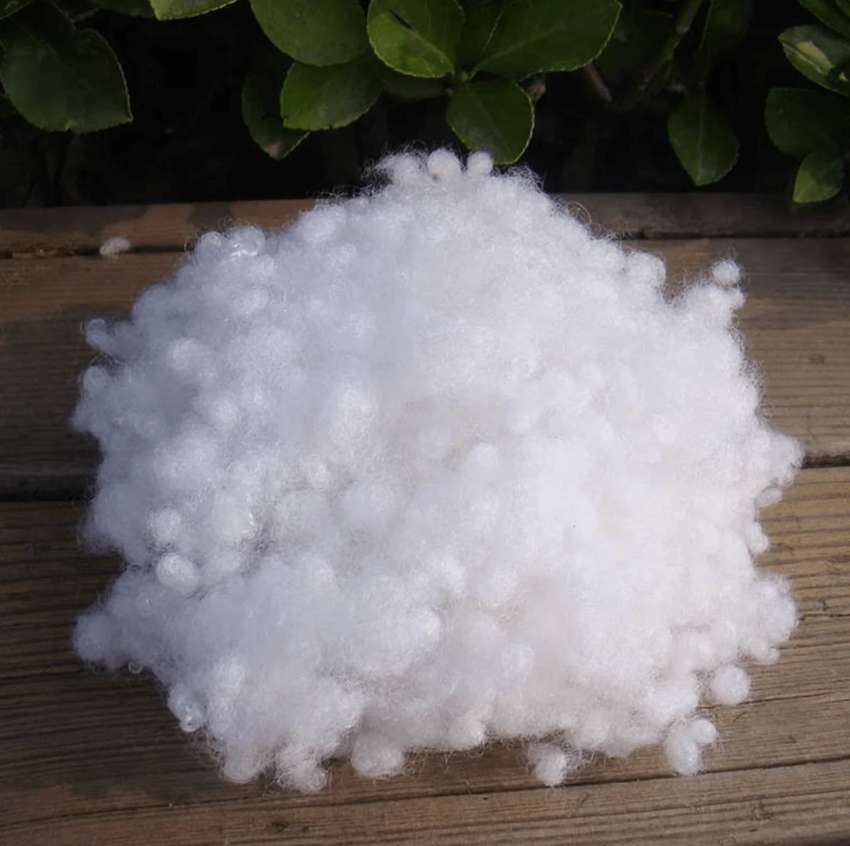
Instead, much of mechanically recycled polyester is diverted into lower-value applications such as insulation materials, automotive components and industrial padding.
Chemical depolymerisation offers a different pathway. By breaking polyester back into its molecular building blocks before rebuilding it, manufacturers can produce fibers with characteristics almost identical to virgin polyester, including strength, dye consistency and moisture-management performance.
For brands targeting premium sportswear, technical outerwear and high-performance fashion, chemical recycling remains the only commercially viable route to genuine fiber-to-fiber circularity.
That technical necessity, however, does not eliminate the economic challenge.
Policy vs economics
Europe's sustainability regulations are pushing up demand for recycled content even as market economics remain misaligned.
Mandatory separate textile collection across EU member states, combined with ESPR requirements, will steadily increase the availability of textile waste. Yet greater waste volumes alone will not guarantee financially viable recycling. Recognising this gap, advanced recyclers are increasingly abandoning spot-market sales in favour of long-term commercial partnerships with global apparel companies.
Multi-year off-take agreements provide guaranteed purchase volumes that reduce financing risk for recycling plants while giving fashion brands greater certainty over future recycled material supplies.
Such contracts are becoming a cornerstone of Europe's emerging circular textile economy, helping bridge the gap between today's production costs and anticipated future scale. However, industry participants acknowledge that private-sector agreements alone are unlikely to close the competitiveness gap with virgin polyester.
Trade associations continue to advocate for Extended Producer Responsibility (EPR) mechanisms that reward garments containing recycled fibers while imposing higher compliance costs on products made entirely from virgin synthetics. Eco-modulated EPR fees could effectively redirect industry funding towards expanding fiber-to-fiber recycling capacity until larger production volumes reduce unit costs.
The long-term bet
Companies are nevertheless investing heavily in advanced recycling technologies despite today's challenging economics. Among the industry's pioneers is Carbios, which has developed enzymatic depolymerisation technology capable of converting mixed polyester textile waste back into virgin-quality raw materials. Through licensing agreements and long-term partnerships with apparel brands, the company is positioning itself for a market expected to expand as regulatory requirements tighten.
Whether these investments ultimately deliver commercial success will depend less on scientific breakthroughs than on policy consistency, financing mechanisms and industry-wide demand commitments.
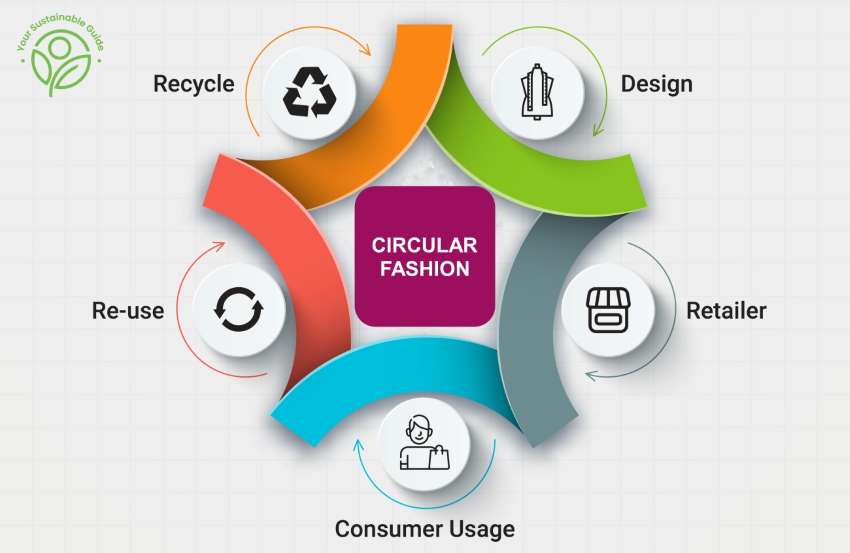
Europe's circular textile strategy has moved beyond proving that chemical recycling works. The next challenge is proving that it can compete economically. Until production costs fall closer to those of virgin polyester or policy narrows the price gap through incentives the ambition of achieving large-scale textile circularity will remain constrained by basic industrial economics rather than technological capability.