Myanmar's textile and garment industry is set to benefit from the country’s new export strategy. This is a five-year roadmap aimed at strengthening smaller companies and fuelling exports and trade diversification.
The country’s first-ever National Export Strategy (NES), designed to fuel Myanmar's sustainable development through export promotion was launched on March 25. Mynmar’s export structure has changed dramatically in recent decades. Exports have become concentrated on a handful of products, mostly unprocessed natural resources, and export destinations remain limited.
The NES seeks to shift Myanmar’s trade patterns and translate gains from trade into greater prosperity for the people of Myanmar. To extend trade to new products and markets, the NES will serve as a roadmap to increase production and value addition in priority sectors that include textiles and garments.
The NES also recommends targeted investments for each export sector, in addition to tackling constraints in the business environment such as access to finance, trade information and promotion, trade facilitation and logistics, as well as quality management. It also seeks to enhance innovation capabilities by businesses and trade support institutions.
Action points in the strategy include interventions to boost the competitiveness of small and medium-sized enterprises to longer-term policy and legislative changes.

- 1
- 2
- 3
- 4
- 5
- 6
- 7
- 8
- 9
- 10
The "Total Look" Retail Revolution: The integration of jewellery, acce…
The conventional boundaries separating fashion jewellery, ready-to-wear and leather goods, have collapsed on the international retail floor. At the September... Read more
Why Rules of Origin could limit India’s FTA gains
India’s growing network of trade agreements promises lower tariffs and wider market access for its textile and apparel exporters. But... Read more
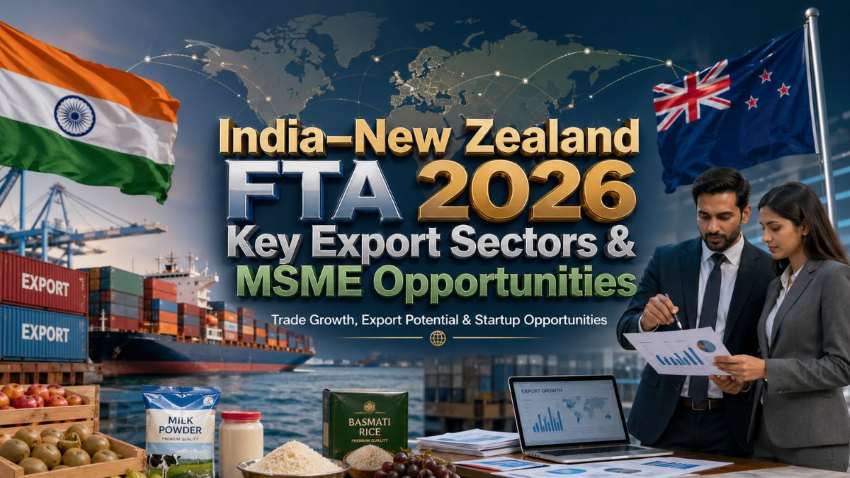
India-New Zealand FTA opens tariff-free route for textile exporters
The India-New Zealand Free Trade Agreement (FTA), which comes into force on October 20, 2026, creates a new tariff-free corridor... Read more
Virgin polyester drives global fibre output to record 139 mn tonnes
Global textile fibre production reached a record 139 million tonnes in 2025, up 5.3 per cent from 132 million tonnes... Read more
Turkish apparel bets on ‘High-End Value’ at Ready to Show Milano
At the autumn session ( September 12-14, 2026) of Ready to Show inside Hall 10 of Fiera Milano-Rho, the Mediterranean... Read more
Technical Knits and Athleisure drive sourcing at Ready to Show Milano
On the trade floor of Ready to Show inside Hall 10 at Fiera Milano-Rho, European apparel sourcing encountered its fastest-growing... Read more
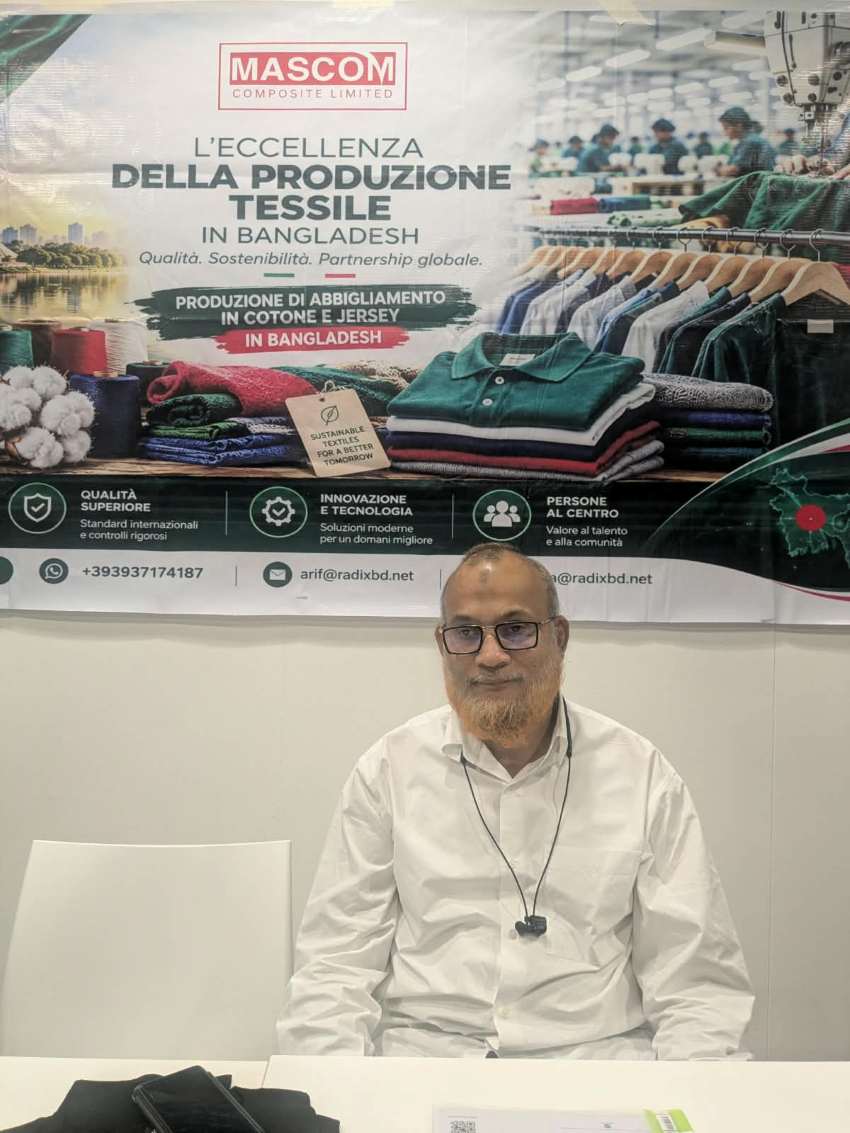
From Dhaka to Milan: Mascom Composite backs Southern Europe’s sports and lifesty…
While the trade floor of Ready to Show Milano inside Hall 10 at Fiera Milano-Rho placed a heavy spotlight on... Read more
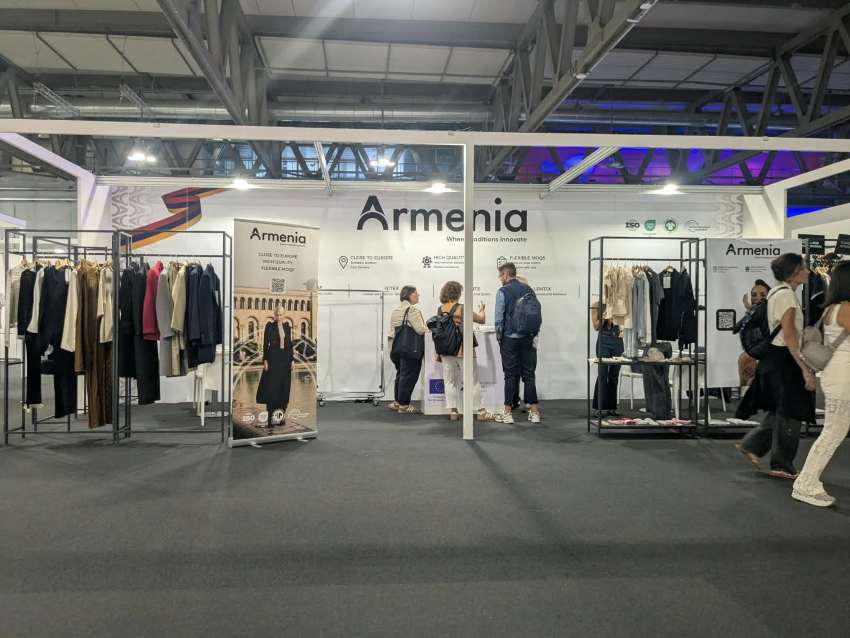
Armenia at Ready to Show Milano, bridges agility, circularity, and ‘Low-MOQs’ fo…
As European fashion brands and private labels navigate persistent supply chain bottlenecks, rising transport overheads, and tightening environmental mandates, an... Read more
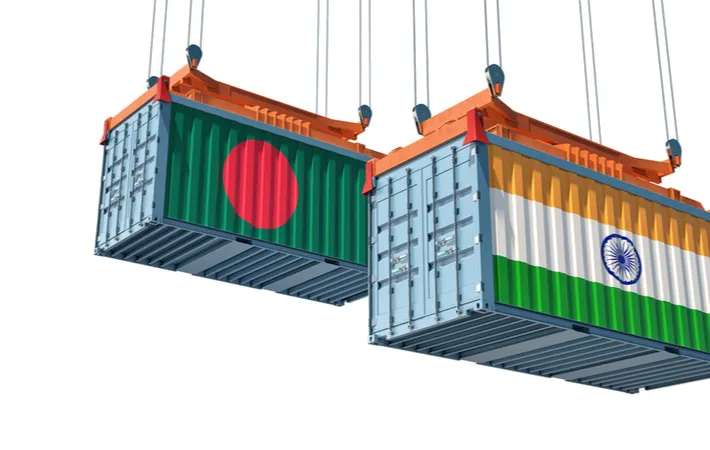
India-Bangladesh textile corridor shifts from trade to co-production
The Petrapole-Benapole corridor is evolving from a conventional trading route into an integrated production network, linking India’s upstream textile capacity... Read more
Gen Z’s anti-polyester push forces apparel brands to rethink margins
The apparel industry is facing an unusual reputational challenge: the growing association of polyester with low quality and excessive cost-cutting... Read more