A group of knits unit owners, who use imported machinery in Tirupur knitwear cluster, will be launching a Special Purpose Vehicle (SPV) for product diversification from apparels to home textiles or value-added products and set up training and testing facilities through the consortium approach. The project is first of its kind in the Tirupur cluster. About 70 per cent of the initial capital will be drawn as grants-in-aid from different government sponsored schemes with an aim to produce the requisite skilled workforce and ensure business expansion.
Nearly 25 knitting units which use high-end imported machinery have joined the initiative. The training institute, planned under SPV project, will impart skills needed for workers in a scientific manner as well as train another set of people on maintenance and repair of the costly imported machines so as to bring down the cost and loss of time incurred due to break down of the appliances.
Once the scientifically trained workforce is ready, the industry would be able to diversify the product range from readymade garments to even home textiles and niche denim products as well as value-added sports and leisure wear through the knitting method.
The proposed testing laboratory is aimed at helping knitters carry out commercial batch-wise testing of fabrics and yarns for various properties at minimal service charges.

- 1
- 2
- 3
- 4
- 5
- 6
- 7
- 8
- 9
- 10
The "Total Look" Retail Revolution: The integration of jewellery, acce…
The conventional boundaries separating fashion jewellery, ready-to-wear and leather goods, have collapsed on the international retail floor. At the September... Read more
Why Rules of Origin could limit India’s FTA gains
India’s growing network of trade agreements promises lower tariffs and wider market access for its textile and apparel exporters. But... Read more
India-New Zealand FTA opens tariff-free route for textile exporters
The India-New Zealand Free Trade Agreement (FTA), which comes into force on October 20, 2026, creates a new tariff-free corridor... Read more
Virgin polyester drives global fibre output to record 139 mn tonnes
Global textile fibre production reached a record 139 million tonnes in 2025, up 5.3 per cent from 132 million tonnes... Read more
Turkish apparel bets on ‘High-End Value’ at Ready to Show Milano
At the autumn session ( September 12-14, 2026) of Ready to Show inside Hall 10 of Fiera Milano-Rho, the Mediterranean... Read more
Technical Knits and Athleisure drive sourcing at Ready to Show Milano
On the trade floor of Ready to Show inside Hall 10 at Fiera Milano-Rho, European apparel sourcing encountered its fastest-growing... Read more
From Dhaka to Milan: Mascom Composite backs Southern Europe’s sports and lifesty…
While the trade floor of Ready to Show Milano inside Hall 10 at Fiera Milano-Rho placed a heavy spotlight on... Read more
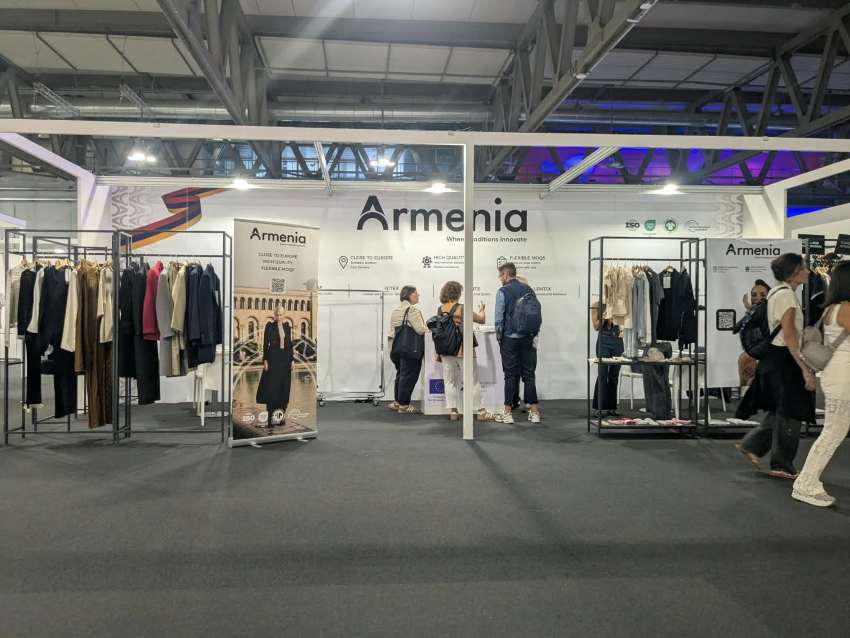
Armenia at Ready to Show Milano, bridges agility, circularity, and ‘Low-MOQs’ fo…
As European fashion brands and private labels navigate persistent supply chain bottlenecks, rising transport overheads, and tightening environmental mandates, an... Read more
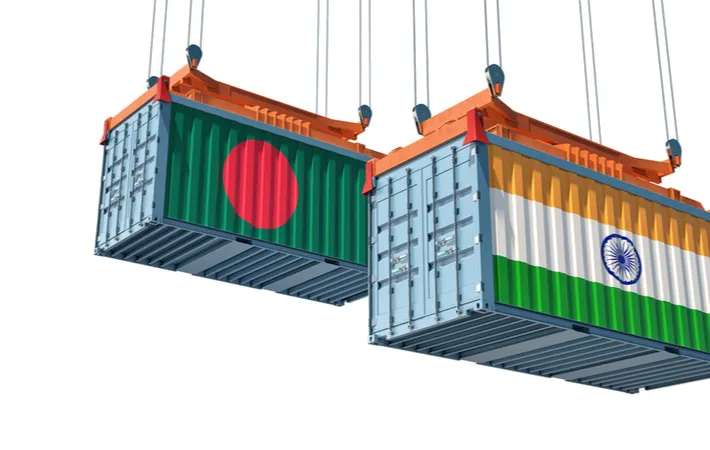
India-Bangladesh textile corridor shifts from trade to co-production
The Petrapole-Benapole corridor is evolving from a conventional trading route into an integrated production network, linking India’s upstream textile capacity... Read more
Gen Z’s anti-polyester push forces apparel brands to rethink margins
The apparel industry is facing an unusual reputational challenge: the growing association of polyester with low quality and excessive cost-cutting... Read more