By outsourcing jeans production to contractors in developing countries, apparel companies are able to avoid accountability for the carbon emissions created by manufacturing their products. Climate pollution is likely to have severe impact on developing countries, like Bangladesh, Vietnam, and China, that produce the world’s clothes. People who are already being exploited by jeans makers seeking cheap labor and lax pollution laws outside of the United States are also being disproportionately impacted by climate pollution.
The clothing industry is the second largest polluter in the world, second only to oil. The apparel industry generates about three per cent of global greenhouse gas emissions, roughly equal to the climate pollution created by putting 163 million new passenger cars on the road. One pair of denim jeans produces 44 pounds of greenhouse gas emissions equivalent to driving a car almost 48 miles.
Filthy Fashion, a newly-launched campaign from Stand. earth in partnership with Sum of Us, an international corporate watchdog, targets seven denim brands including Calvin Klein, Tommy Hilfiger, Guess, Express, American Eagle Outfitters, Wrangler, and Lee for ignoring their own impact in regard to the greenhouse gas emissions created by apparel manufacturing.
The groups are calling on all seven brands to take responsibility for their devastating environmental impacts and immediately begin addressing their greenhouse gas emissions created by denim manufacturing.

- 1
- 2
- 3
- 4
- 5
- 6
- 7
- 8
- 9
- 10
Polyethylene stretch yarn challenges elastane’s hold on activewear
The global activewear, denim and intimate apparel markets have built a substantial business around stretch. But the same fibre combinations... Read more
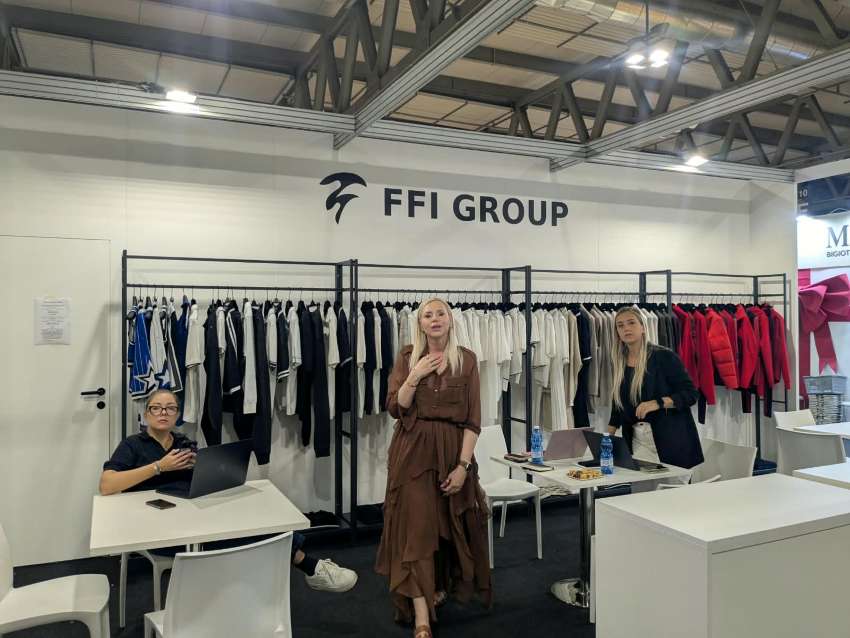
Automation Meets Italian Design: FFI Srl unveils ‘Next-Gen Robotics’ to help bra…
At the recently concluded autumn edition of Ready to Show inside Hall 10 at Fiera Milano-Rho—staged alongside the Milano Fashion... Read more
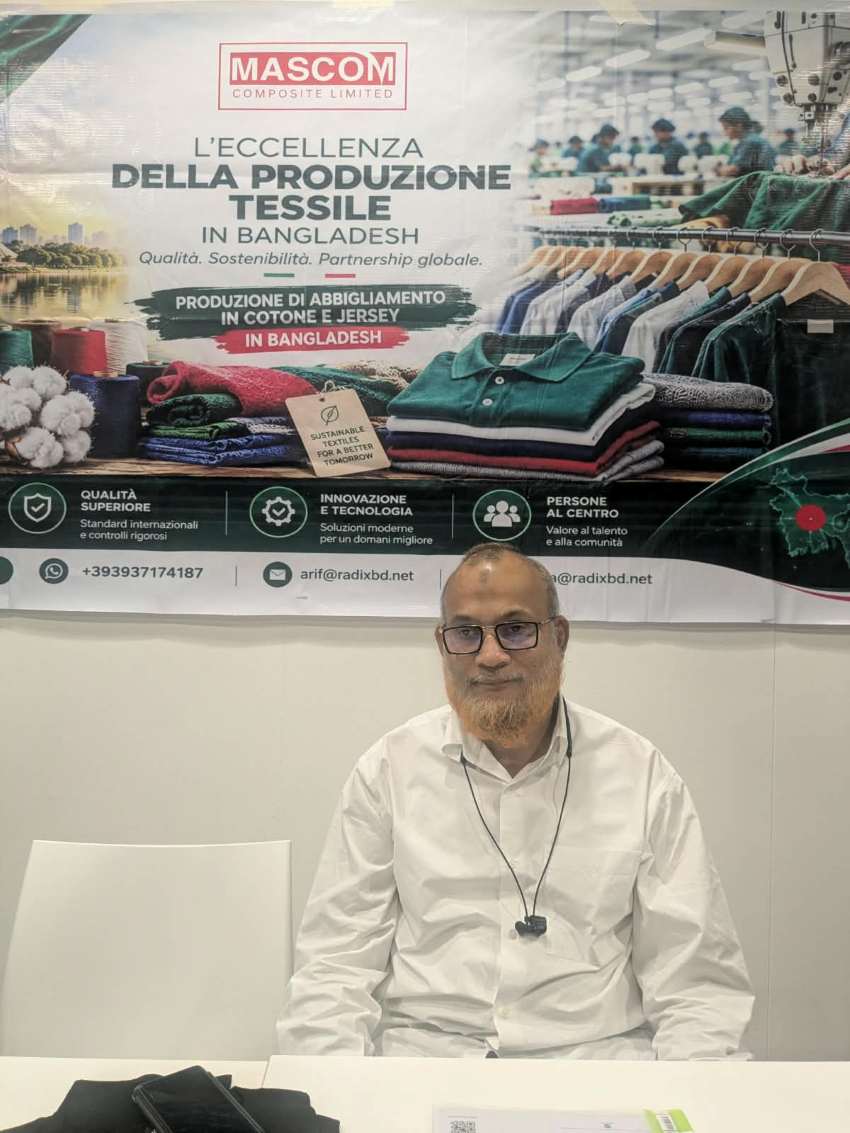
From Dhaka to Milan: Mascom Composite backs Southern Europe’s sports and lifesty…
While the trade floor of Ready to Show Milano inside Hall 10 at Fiera Milano-Rho placed a heavy spotlight on... Read more
How surging silver prices are reshaping ‘Mid-Tier’ fashion jewellery
Escalating global bullion volatility and raw material pricing pressures are forcing a fundamental reassessment across the mid-tier fashion jewellery trade.... Read more
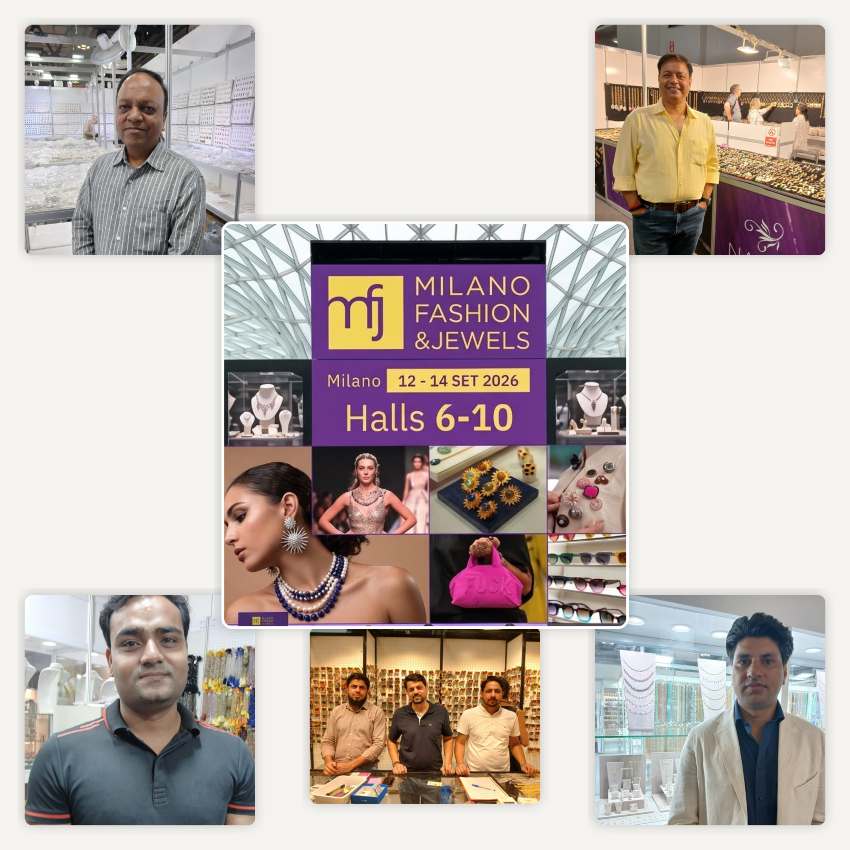
Milano Fashion & Jewels: How ‘Re-Engineered’ heritage crafts are driving hig…
A counter-movement against industrial uniformity is reshaping European bijouterie, transforming authentic craftsmanship into a powerful lever for high-margin boutique growth.... Read more
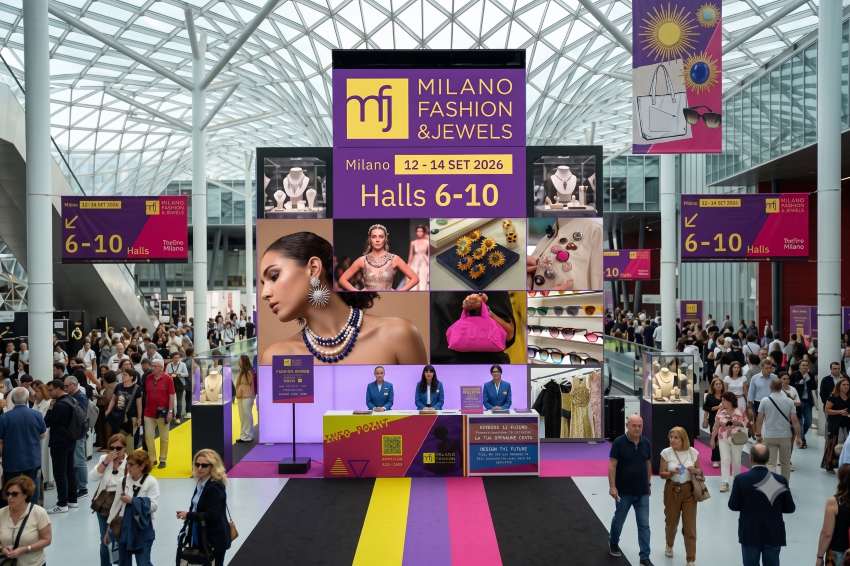
The "Total Look" Retail Revolution: The integration of jewellery, acce…
The conventional boundaries separating fashion jewellery, ready-to-wear and leather goods, have collapsed on the international retail floor. At the September... Read more
Why Rules of Origin could limit India’s FTA gains
India’s growing network of trade agreements promises lower tariffs and wider market access for its textile and apparel exporters. But... Read more
India-New Zealand FTA opens tariff-free route for textile exporters
The India-New Zealand Free Trade Agreement (FTA), which comes into force on October 20, 2026, creates a new tariff-free corridor... Read more
Virgin polyester drives global fibre output to record 139 mn tonnes
Global textile fibre production reached a record 139 million tonnes in 2025, up 5.3 per cent from 132 million tonnes... Read more
Turkish apparel bets on ‘High-End Value’ at Ready to Show Milano
At the autumn session ( September 12-14, 2026) of Ready to Show inside Hall 10 of Fiera Milano-Rho, the Mediterranean... Read more