UK multinational companies may come under pressure to follow fair and clean practices in their global operations. This includes an end to exploitative working conditions, including modern slavery and child labor; toxic pollution; rampant destruction of rainforests; land-grabs and evictions of indigenous peoples and local communities; and violent attacks on human rights defenders.
Apparel brands, which do much of their sourcing from Asia, would potentially be hugely impacted by such regulations. There are still no laws in the UK specifically requiring companies to take action to prevent and rectify human rights abuses and environmental damage. Instead, companies seek to profit by undercutting more responsible operators who are trying to raise standards. Meanwhile, British consumers are at risk of buying products tainted by abuses and environmental devastation. A new law would increase protection for individuals and communities, workers, human rights defenders, and the environment. It would create clarity and a level playing field for companies.
Moves to regulate due diligence issues within global supply chains are already afoot at the EU level and within the UN as well as within individual EU states such as Germany and France. Around the world, policy makers, business leaders, academics and campaigners are coming together to work for legislative change to end irresponsible corporate practices.

- 1
- 2
- 3
- 4
- 5
- 6
- 7
- 8
- 9
- 10
The "Total Look" Retail Revolution: The integration of jewellery, acce…
The conventional boundaries separating fashion jewellery, ready-to-wear and leather goods, have collapsed on the international retail floor. At the September... Read more
Why Rules of Origin could limit India’s FTA gains
India’s growing network of trade agreements promises lower tariffs and wider market access for its textile and apparel exporters. But... Read more
India-New Zealand FTA opens tariff-free route for textile exporters
The India-New Zealand Free Trade Agreement (FTA), which comes into force on October 20, 2026, creates a new tariff-free corridor... Read more
Virgin polyester drives global fibre output to record 139 mn tonnes
Global textile fibre production reached a record 139 million tonnes in 2025, up 5.3 per cent from 132 million tonnes... Read more
Turkish apparel bets on ‘High-End Value’ at Ready to Show Milano
At the autumn session ( September 12-14, 2026) of Ready to Show inside Hall 10 of Fiera Milano-Rho, the Mediterranean... Read more
Technical Knits and Athleisure drive sourcing at Ready to Show Milano
On the trade floor of Ready to Show inside Hall 10 at Fiera Milano-Rho, European apparel sourcing encountered its fastest-growing... Read more
From Dhaka to Milan: Mascom Composite backs Southern Europe’s sports and lifesty…
While the trade floor of Ready to Show Milano inside Hall 10 at Fiera Milano-Rho placed a heavy spotlight on... Read more
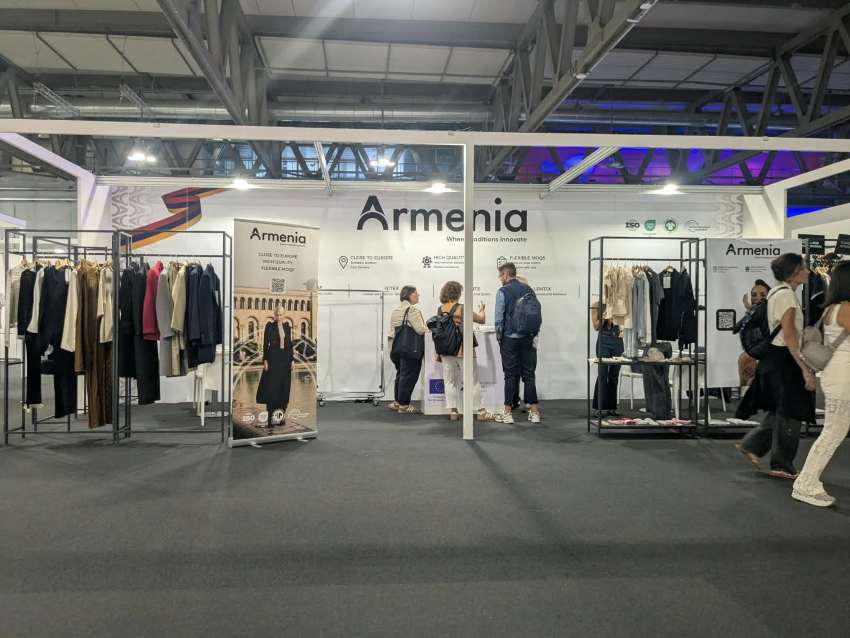
Armenia at Ready to Show Milano, bridges agility, circularity, and ‘Low-MOQs’ fo…
As European fashion brands and private labels navigate persistent supply chain bottlenecks, rising transport overheads, and tightening environmental mandates, an... Read more
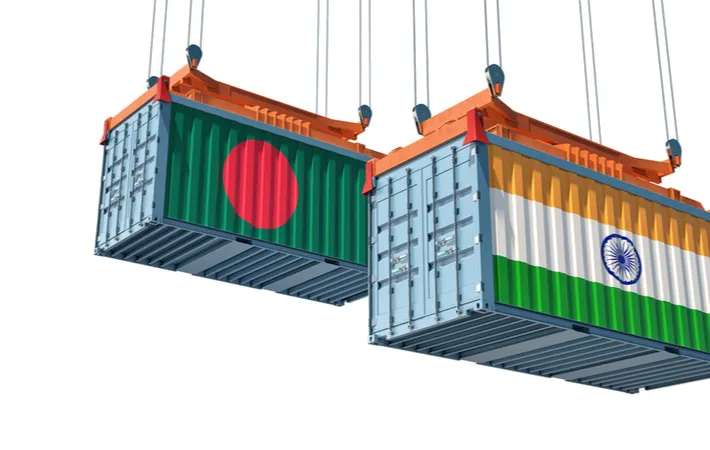
India-Bangladesh textile corridor shifts from trade to co-production
The Petrapole-Benapole corridor is evolving from a conventional trading route into an integrated production network, linking India’s upstream textile capacity... Read more
Gen Z’s anti-polyester push forces apparel brands to rethink margins
The apparel industry is facing an unusual reputational challenge: the growing association of polyester with low quality and excessive cost-cutting... Read more