The American Apparel and Footwear Association (AAFA) has released the 16th edition of the Restricted Substance List (RSL). This is an industry resource for banned or restricted chemicals and substances used in finished home textiles, apparel and footwear products globally.
The latest RSL contains 12 chemical categories with over 250 chemicals and has been updated to follow recent additions or changes made to regulations and laws, including those released in China and Turkey that restrict or ban certain chemicals in the textile, apparel and footwear industries.
AAFA created the RSL over eight years ago in response to the rowing need to keep track of international and national regulations restricting use of certain chemicals in products. AAFA offers the industry the intelligence needed to manage a responsible, compliant supply chain on a regular, on-going basis.
With the release of the previous edition in December, AAFA launched a mobile app designed to help users navigate the hundreds of chemicals featured on the list. Users can filter, search and sort by categories including chemical name, CAS number, country and regulation. The Voluntary Product Environmental Profile, another offering in addition to the RSL, is an online tool that lets apparel and footwear companies exchange environmental and chemical management information with their supply chain partners.

- 1
- 2
- 3
- 4
- 5
- 6
- 7
- 8
- 9
- 10
The "Total Look" Retail Revolution: The integration of jewellery, acce…
The conventional boundaries separating fashion jewellery, ready-to-wear and leather goods, have collapsed on the international retail floor. At the September... Read more
Why Rules of Origin could limit India’s FTA gains
India’s growing network of trade agreements promises lower tariffs and wider market access for its textile and apparel exporters. But... Read more
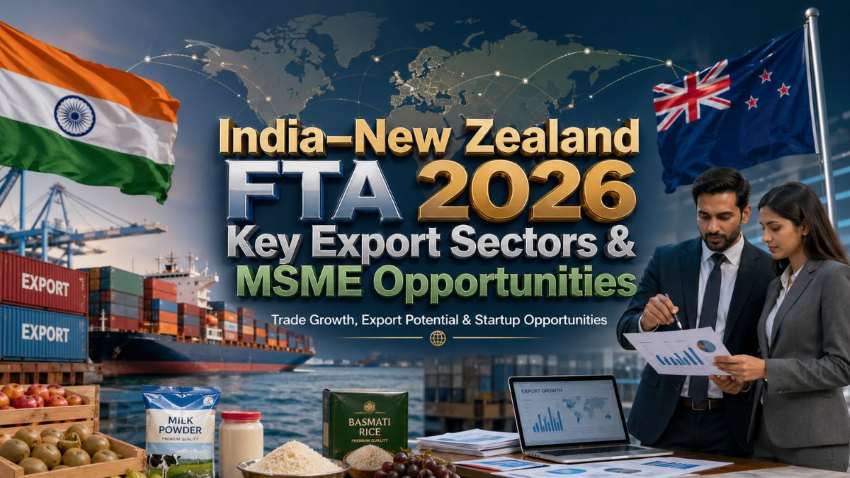
India-New Zealand FTA opens tariff-free route for textile exporters
The India-New Zealand Free Trade Agreement (FTA), which comes into force on October 20, 2026, creates a new tariff-free corridor... Read more
Virgin polyester drives global fibre output to record 139 mn tonnes
Global textile fibre production reached a record 139 million tonnes in 2025, up 5.3 per cent from 132 million tonnes... Read more
Turkish apparel bets on ‘High-End Value’ at Ready to Show Milano
At the autumn session ( September 12-14, 2026) of Ready to Show inside Hall 10 of Fiera Milano-Rho, the Mediterranean... Read more
Technical Knits and Athleisure drive sourcing at Ready to Show Milano
On the trade floor of Ready to Show inside Hall 10 at Fiera Milano-Rho, European apparel sourcing encountered its fastest-growing... Read more
From Dhaka to Milan: Mascom Composite backs Southern Europe’s sports and lifesty…
While the trade floor of Ready to Show Milano inside Hall 10 at Fiera Milano-Rho placed a heavy spotlight on... Read more
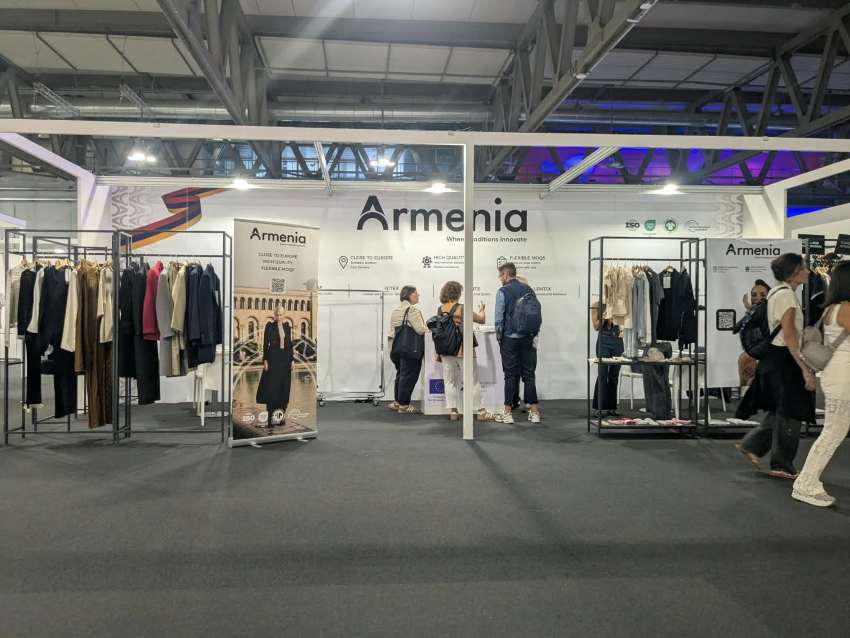
Armenia at Ready to Show Milano, bridges agility, circularity, and ‘Low-MOQs’ fo…
As European fashion brands and private labels navigate persistent supply chain bottlenecks, rising transport overheads, and tightening environmental mandates, an... Read more
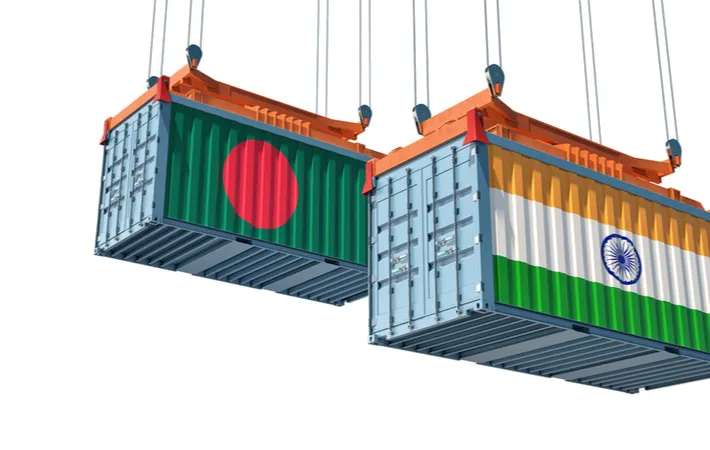
India-Bangladesh textile corridor shifts from trade to co-production
The Petrapole-Benapole corridor is evolving from a conventional trading route into an integrated production network, linking India’s upstream textile capacity... Read more
Gen Z’s anti-polyester push forces apparel brands to rethink margins
The apparel industry is facing an unusual reputational challenge: the growing association of polyester with low quality and excessive cost-cutting... Read more