Vietnam’s textile and apparel manufacturing sector reached a critical export milestone, generating over US$30 billion in overseas shipments through the first three quarters of 2026. Despite persistent macroeconomic headwinds, including volatile raw material costs and compressed order sizes from Western buyers, major manufacturing hubs across the country maintained steady momentum. Industry analysts indicate that export growth was largely sustained by diversified market access and accelerated factory automation, allowing local producers to handle shorter lead times efficiently. While aggregate shipment volumes continue to expand, our primary operational focus has transitioned toward safeguarding operating margins through targeted digital and green infrastructure investments, notes Vu Duc Giang, Chairman, Vietnam Textile and Apparel Association.
Balancing import dependencies and export targets
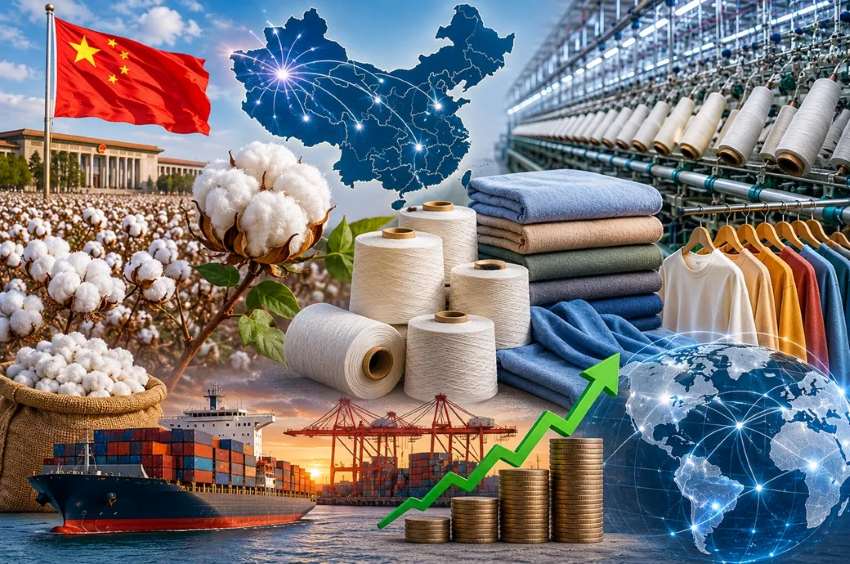
Surpassing the thirty billion dollar threshold reinforces the sector's ambition to achieve full-year export revenues between US$47 billion and US$47.5 billion, yet structural vulnerabilities continue to challenge long-term scalability. Domestic garment producers remain heavily reliant on imported textile inputs, particularly raw yarns and fabrics sourced from regional suppliers like China, which complicates compliance with strict rules-of-origin mandates under trade pacts such as the Comprehensive and Progressive Agreement for Trans-Pacific Partnership. To mitigate these exposure risks, leading manufacturers are channeling capital into integrated spinning and dyeing facilities outfitted with advanced wastewater treatment systems and rooftop solar installations. These sustainability-driven capital expenditures align closely with national net-zero objectives, equipping Vietnamese exporters to meet stringent environmental standards demanded by European and American retail partners.
Securing long-term competitive resilience with smart factory automation
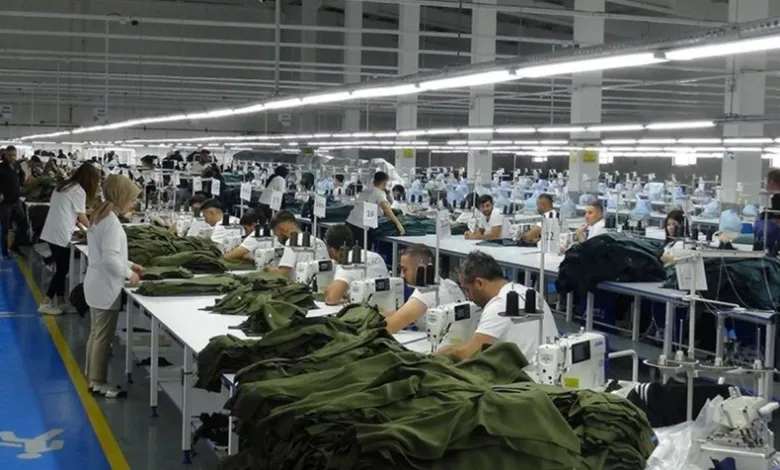
Representing one of the nation's largest manufacturing export pillars, Vietnam’s textile and garment sector encompasses thousands of enterprises specializing in spinning, weaving, and finished apparel production. Operating globally, the industry focuses on scaling green manufacturing and smart factory automation to secure long-term competitive resilience.