Vietnam’s textile and apparel (T&A) sector has demonstrated sustained resilience, pushing cumulative export revenues past the landmark $39 billion threshold entering the final stretch of the year. Driven by steady demand across Western markets and rigorous supply chain adaptations, manufacturers have expanded production despite persistent global cost pressures. Industry analysts note that primary finished garment shipments registered consistent year-on-year gains during the first nine months, offsetting minor month-on-month corrections observed at the close of the third quarter.
Raw material dynamics and sourcing pressures
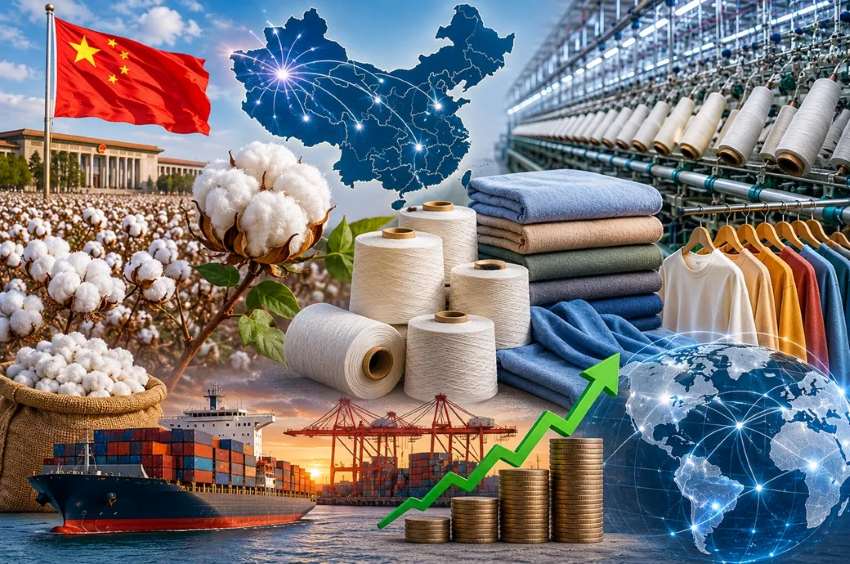
Beneath the headline export figures, upstream operations reflect a heavy reliance on imported inputs. Inflow volumes for raw cotton, specialized yarn, and woven fabrics escalated significantly during the three-quarter evaluation window, with fabric imports alone climbing past historical averages. The indsutry’s reliance on external raw material sourcing remains a critical operational bottleneck, explains Nguyen Van Thinh, Director-Supply Chain, Hanoi Garment Corporation. While finished product demand is robust, fluctuating input expenses compress operating margins, requiring tighter inventory management across regional facilities."
Strategic outlook and sector adaptation
Looking ahead, sector leaders are prioritizing automation and eco-friendly compliance to secure long-term buyer contracts and achieve an ambitious annual target of $47 billion. By upgrading spinning infrastructure and diversifying material origins, domestic manufacturers aim to insulate operations against short-term logistics disruptions, safeguarding Vietnam's standing as a premier global apparel hub.
Expanding high-value-add original design manufacturing
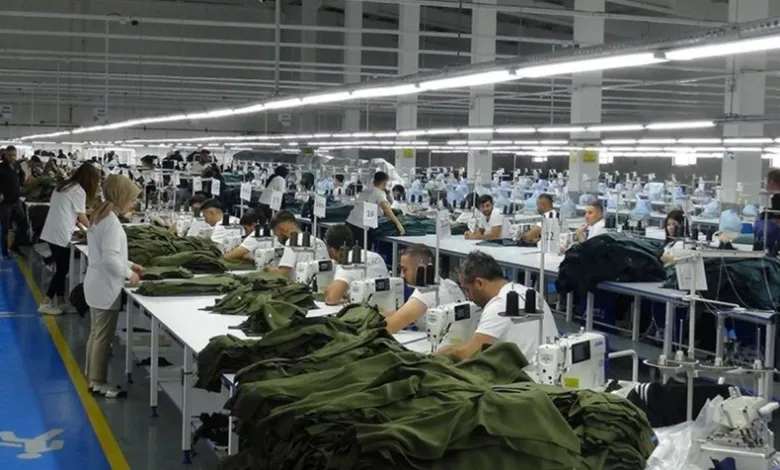
Vietnam’s textile and garment sector comprises thousands of export-oriented manufacturers specializing in ready-to-wear apparel, technical textiles, and localized yarn production. Key international markets include the United States, the European Union, and Japan. Growth strategies emphasize sustainable green manufacturing, digital supply chain integration, and expanding high-value-add original design manufacturing to enhance overall financial performance.