Global apparel brands and textile manufacturers are rapidly re-engineering their procurement strategies, pivoting from traditional commodity fibers toward high-tenacity, circular, and eco-certified materials. This structural realignment comes as international regulatory frameworks—most notably the European Union’s Ecodesign for Sustainable Products Regulation (ESPR)—enforce strict material traceability and recycled content thresholds across imported textiles.
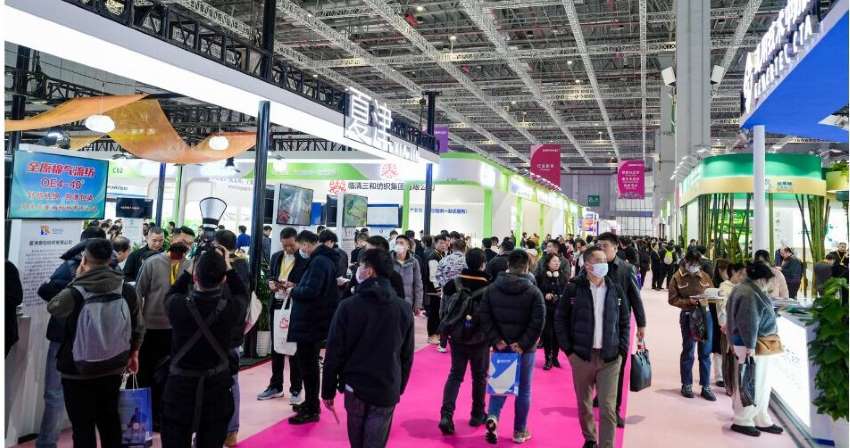
Scheduled to take place from August 25 to 27, 2026, at the National Exhibition and Convention Center in Shanghai, Yarn Expo Autumn will occupy 27,000 sq m of exhibition space. Organized jointly by Messe Frankfurt (HK) and CCPIT-Tex, the trade summit serves as a vital barometer for fiber innovation, and seasonal procurement budgets across the global textile value chain.
Dedicated sourcing zones target specialized industrial demand
To help procurement decision-makers navigate volatile raw material costs and evolving consumer preferences, the 2026 event structures its 580-plus international exhibitors across seven specialized product zones: Cashmere, Cotton, Chemical Fiber, Fancy Yarn, Linen, Wool, and the International Yarn Zone. Exhibitor showcases reflect a clear industry move toward technical functionality and eco-design. Indonesia’s PT. Indo-Rama Synthetics Tbk is scaling output of recycled polyester (rPET) staple fibers and specialized filament yarns, offering high-tensile alternatives for activewear and industrial textiles. Similarly, New Zealand’s Woolyarns is showcasing its Perino luxury blends, combining ultra-fine merino wool with specialty fibers to deliver lightweight thermal durability for luxury knitwear.
Natural Bast fibers and specialty yarns gain market share
In parallel, natural bast fibers are capturing expanded market share as apparel mills seek biodegradable alternatives to synthetic blends. Egypt’s Sematex For Flax Products is expanding international distribution of wet-spun and dry-spun linen yarns, targeting premium woven and home textile collections. Meanwhile, the UK-based Lurex Company continues to lead the high-end decorative sector with certified, holographic, and recycled metallic yarns tailored for luxury fashion houses. To maximize transactional efficiency across these diverse categories, event organizers are deploying a VIP Business Matching Program, featuring targeted B2B meetings and travel incentives to streamline direct contract negotiations between brand sourcing directors and spinning mills.
Creating a unified Asian sourcing hub with concurrent trade fairs
By co-locating alongside major industry trade fairs - including Intertextile Shanghai Apparel Fabrics (Autumn Edition), CHIC (China International Fashion Fair), and the PH Value Knitting Fair -- Yarn Expo Autumn forms a comprehensive vertical sourcing ecosystem. This co-located structure allows retail buyers, garment factories, and fabric mills to resolve supply chain requirements from raw fiber selection to finished garment production in a single itinerary.
With China accounting for roughly 40 per cent to 45 per cent of worldwide textile exports, the Shanghai gathering provides essential market intelligence for fashion enterprises managing risk, raw material inflation, and global sustainability mandates heading into the 2027 retail year.
Organized by Messe Frankfurt (HK) in partnership with Chinese textile trade associations, Yarn Expo Autumn is Asia’s premier trade fair for fibers and yarns. Held annually in Shanghai, the platform connects over 500 international suppliers with 22,000-plus trade buyers. It targets sustainable, functional, and natural yarn innovations to drive global supply chain integration.