Delay by the Zimbabwean government in announcing a new policy on import duty for apparel and textile material for manufacturers can put the feasibility of already sick clothing sector in jeopardy. Secretary General of the National Union of the Clothing Industry, Joseph Tanyanyiwa, believes the Ministry of Finance and Economic Development should not delay the issue of clothing manufacturers rebate. The buzz is that most players in the clothing industry are contemplating sending their workers on forced leave. Many others have reportedly failed to resume operations as their materials were being held at bonded warehouses.
Tanyanyiwa further said that most companies have failed to clear their clothing and textiles imports since December 2014. Currently the clothing sector is operating at below 30 per cent from a peak of between 40 and 45 per cent in 2010-11. In his 2015 budget statement, Finance minister Patrick Chinamasa had proposed to extend the clothing manufacturers rebate facility by another 12 months as the rebate had attracted investment and generated additional employment in the clothing industry. Last year, government in partnership with the private sector launched the cotton-to-clothing strategy as a part of efforts to revive the sector. Materials eligible for rebate include: cotton sewing thread containing 85 per cent or more by weight of cotton; cotton sewing thread, denim, plain weave weighing more than 100g per sq. mt.; sewing thread of man-made staple fibres; woven fabrics of polyester staple fibres, chenille fabrics, tulles and other net fabrics.
Due to a number of problems afflicting the industry the employment figure in textile and clothing industry has plunged to about 8.000 now from 35,000 when at its peak.

- 1
- 2
- 3
- 4
- 5
- 6
- 7
- 8
- 9
- 10
The "Total Look" Retail Revolution: The integration of jewellery, acce…
The conventional boundaries separating fashion jewellery, ready-to-wear and leather goods, have collapsed on the international retail floor. At the September... Read more
Why Rules of Origin could limit India’s FTA gains
India’s growing network of trade agreements promises lower tariffs and wider market access for its textile and apparel exporters. But... Read more
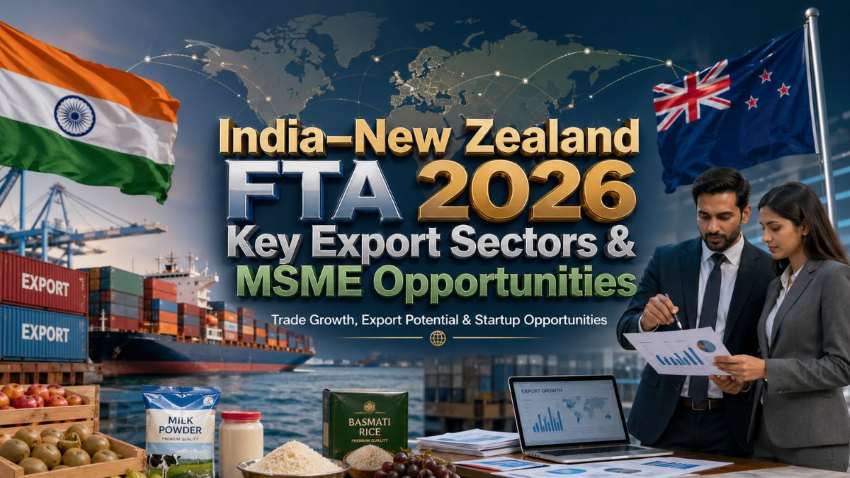
India-New Zealand FTA opens tariff-free route for textile exporters
The India-New Zealand Free Trade Agreement (FTA), which comes into force on October 20, 2026, creates a new tariff-free corridor... Read more
Virgin polyester drives global fibre output to record 139 mn tonnes
Global textile fibre production reached a record 139 million tonnes in 2025, up 5.3 per cent from 132 million tonnes... Read more
Turkish apparel bets on ‘High-End Value’ at Ready to Show Milano
At the autumn session ( September 12-14, 2026) of Ready to Show inside Hall 10 of Fiera Milano-Rho, the Mediterranean... Read more
Technical Knits and Athleisure drive sourcing at Ready to Show Milano
On the trade floor of Ready to Show inside Hall 10 at Fiera Milano-Rho, European apparel sourcing encountered its fastest-growing... Read more
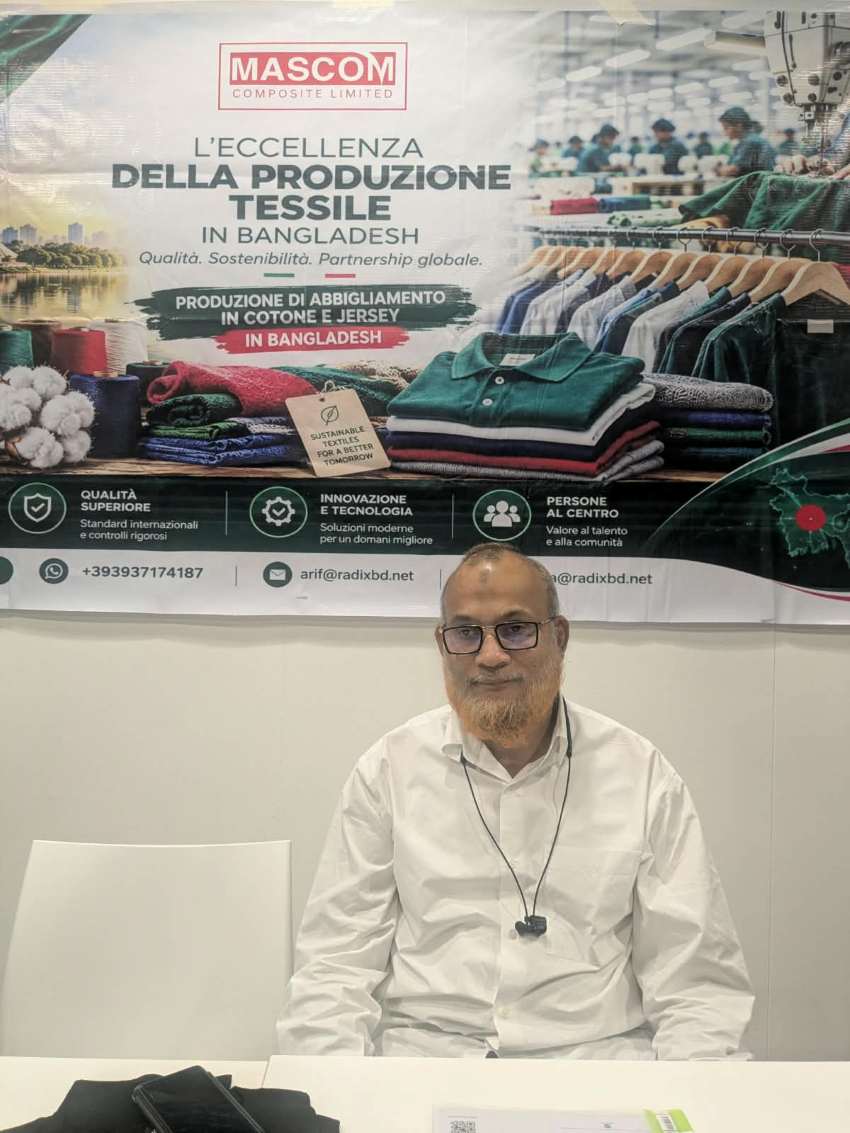
From Dhaka to Milan: Mascom Composite backs Southern Europe’s sports and lifesty…
While the trade floor of Ready to Show Milano inside Hall 10 at Fiera Milano-Rho placed a heavy spotlight on... Read more
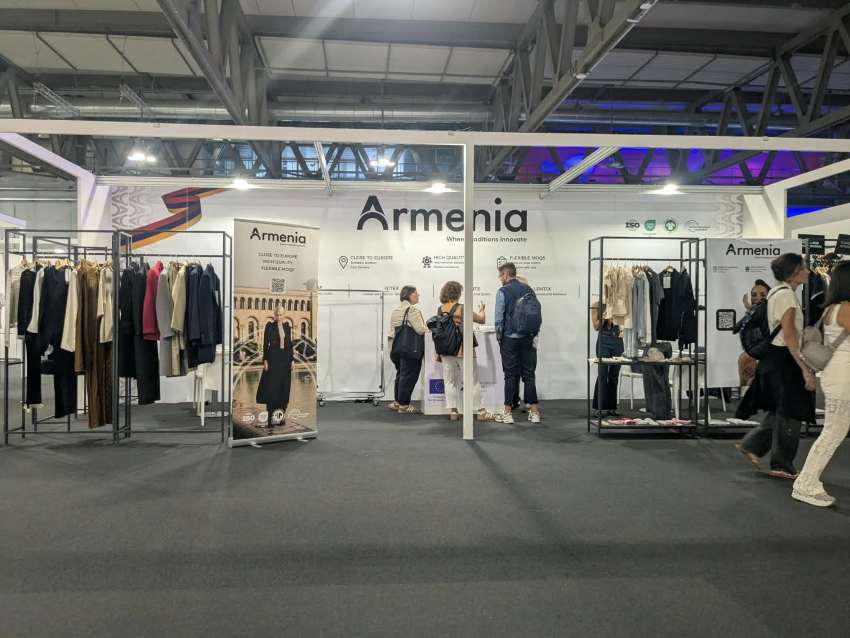
Armenia at Ready to Show Milano, bridges agility, circularity, and ‘Low-MOQs’ fo…
As European fashion brands and private labels navigate persistent supply chain bottlenecks, rising transport overheads, and tightening environmental mandates, an... Read more
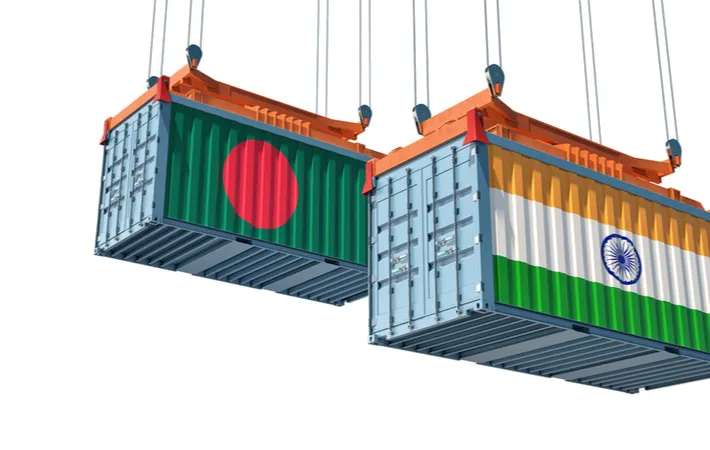
India-Bangladesh textile corridor shifts from trade to co-production
The Petrapole-Benapole corridor is evolving from a conventional trading route into an integrated production network, linking India’s upstream textile capacity... Read more
Gen Z’s anti-polyester push forces apparel brands to rethink margins
The apparel industry is facing an unusual reputational challenge: the growing association of polyester with low quality and excessive cost-cutting... Read more