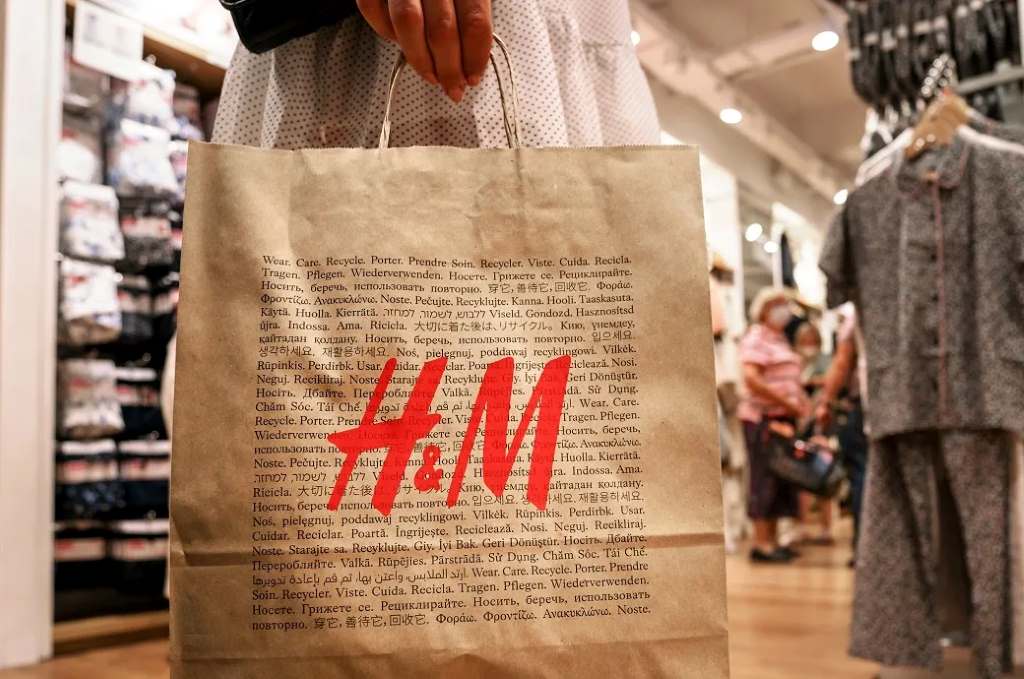
Low priced apparels are available in the US by outsourcing labour to factories that hire workers for pennies. The Forever 21 T-shirt was manufactured in Nicaragua and the American Apparel shirt was made at home in Los Angeles. According to Rosanne Hart, Founder of the Hart Agency, the North American Free Trade Agreement set in motion a lot of the migration of apparel and textile jobs out of the US. Hart also added apparel manufacturing happens in the US today but on a limited level. She cites that the vast majority of consumers in America don’t want to pay the added costs of purchasing clothing made domestically and that the designers who do manufacture here only do so on a limited level.
According to a report published in the LA Times, more than eight among 10 Americans have become increasingly wary of mass-produced items and want goods that are unique and made sustainably in America. Americans associate the Made in America movement with higher quality goods. The report even suggests that Americans are willing to pay more for domestically manufactured goods.
SMU graduate Matt Alexander became a local Dallas fixture of the Made in America movement with the founding of Need (now rebranded as Foremost) in November 2013. Foremost is an American-made clothing line available for both men and women at an affordable cost. A Pima cotton and MicroModal tee from Foremost costs the same as a plain cotton tee from American Apparel.
- 1
- 2
- 3
- 4
- 5
- 6
- 7
- 8
- 9
- 10
China’s duty-free revival meets a reality check as Hainan shifts from VICs to va…
Hainan’s retail recovery is beginning to look less like a cyclical rebound and more like a rewiring of China’s domestic... Read more
Zombie inventory and shrinking margins inside China’s fashion returns meltdown
China’s digital fashion market, long celebrated as the world’s most sophisticated test bed for e-commerce innovation, is facing a destabilising... Read more
Circularity by Design: How EU rules are turning data into fashion’s new currency
The European fashion sector has entered a compressed transition window. Two regulatory confirmations: the revised EU Textile Labelling Regulation (effective... Read more
The Lyst Reset: Chanel and Dior rewrite luxury’s power index
The global luxury hierarchy has been quietly rewritten, and not by sales alone. In Q1 2026, Chanel rose to the... Read more
Inventory, not expansion, defines winners in global apparel
The 2025 fiscal year has crystallised that revenue growth and operational health are no longer moving in tandem. In an... Read more
From growth-at-all-costs to cash discipline, the new economics of DTC fashion
The global direct-to-consumer apparel market is entering a correction phase, as fashion brands across the US, Europe and the UK... Read more
Britain’s Forgotten Growth Engine: Why policy gaps are undermining fashion and t…
Britain’s fashion and textile industry, often framed through the lens of creativity and design, is emerging as a case study... Read more
Beyond price rallies structural reform can strengthen India’s cotton economy
India’s cotton economy is entering a decisive phase, where firmer prices and tighter arrivals in the 2026-27 season have given... Read more
Polyester volatility redraws India’s textile industry competitive map across Asi…
India’s synthetic textile industry has entered a phase of cost instability as polyester staple fibre (PSF) prices rise across domestic... Read more
The £7 Billion Question: Who pays for fashion’s ‘free rental’ habit?
The global fashion industry is facing an uncomfortable paradox: its most valuable customers may also be its most destructive. A... Read more