FW
Pakistan: Textile Asia records positive business for global companies
Textile Asia was held in Pakistan from March 27 to 29, 2018. More than 450 companies showcased 650 products at the exhibition. Exhibitors from Korea, France, Germany, Italy, Vietnam, Turkmenistan and Portugal were present. The event witnessed 75,000 trade visits.
Chinese companies participated in large numbers and they made deals worth millions. Many Chinese companies expressed their willingness to relocate textile factories to Pakistan. The Chinese are planning to move with the latest technology and skills by making joint ventures with local companies.
The presence of Chinese companies in Pakistan is increasing following the initiation of the China-Pakistan Economic Corridor. This year Zhejiang province was the most prominent exhibitor with 150 companies displaying their products. European companies also displayed high-tech textile machinery at the exhibition. A company from Portugal displayed high quality threads for denim and successfully achieved business deals with local manufacturers.
Indian textile machines were also displayed at the exhibition through Pakistan representatives. Textile Asia is a landmark event, which has provided an effective podium for joint ventures and collaborations among the local textile industry and international entrepreneurs.
Pakistan is considering reducing gas and water tariffs to lower production costs and make local companies competitive in the international market.
NCTO’s outgoing chairman lays out priority areas for US textile industry
"The outgoing chairman of National Council of Textile Organizations (NCTO), a Washington, DC-based trade association that represents domestic textile manufacturers, William V ‘Bill’ McCrary Jr. delivered the trade association’s 2018 State of the US Textile Industry overview at NCTO’s 15th Annual Meeting on March 22. He highlighted the US President Trump’s pro-manufacturing agenda is forcing Washington to do what NCTO has long sought – rethink policies on trade, taxation, regulatory reform and a host of other issues. He asserted that the time for change is now and NCTO is committed to working with the Trump administration to achieve the best policy outcomes on these and other issues."

The outgoing chairman of National Council of Textile Organizations (NCTO), a Washington, DC-based trade association that represents domestic textile manufacturers, William V ‘Bill’ McCrary Jr. delivered the trade association’s 2018 State of the US Textile Industry overview at NCTO’s 15th Annual Meeting on March 22. He highlighted the US President Trump’s pro-manufacturing agenda is forcing Washington to do what NCTO has long sought – rethink policies on trade, taxation, regulatory reform and a host of other issues. He asserted that the time for change is now and NCTO is committed to working with the Trump administration to achieve the best policy outcomes on these and other issues.
Fact file

In 2017, the value of US man-made fibre and filament, textile, and apparel shipments was an estimated $77.9 billion. US exports of fibre, yarns, fabrics, made-ups, and apparel were $28.6 billion in 2017. This is nearly a nine per cent increase in export performance over 2016. Shipments to NAFTA and CAFTA-DR countries accounted for 54 per cent of all US textile supply chain exports. The US is especially well-positioned globally in fibre, yarn, fabric, and non-apparel sewn products markets; it was the world’s 4th largest individual country exporter of those products in 2016. The US textile industry’s commitment to capital re-investment and a continued emphasis on quality and innovation make it well-positioned to adapt to market changes and take advantage of opportunities as 2018 moves along."
Policy matters
McCrary Jr said, for decades, US policy systematically undervalued the importance of domestic manufacturing, and President Trump is right that this has hurt America. NCTO endorses President Trump’s macro policy objectives of reshoring industry, fighting for free, but fair trade, enforcing US trade laws, making the US tax code more competitive, buying American, cutting unnecessary regulation, revitalising infrastructure, ensuring cheap energy, and fixing health care. On trade, NCTO agrees with President Trump that US trading relationships must be rooted in fairness and reciprocity to benefit a broad swath of American society.
America’s most important trading relationship is NAFTA, a pillar upon which the US-Western Hemisphere textile supply chain is built. At almost $12 billion combined, Mexico and Canada are the US textile industry’s largest export markets. Moreover, Mexico provides vital garment assembly capacity the United States lacks at this time. NAFTA’s yarn-forward rule of origin contains loopholes that benefit third-party countries, such as China. Closing them would boost US and NAFTA partner textile and apparel production and jobs.
Priority areas
NCTO urges continued support for the Advanced Functional Fabrics of America (AFFOA). This defense department-funded program is matched three to one with private dollars and tasked with making it easier to develop and commercialise the next generation of high-performance textiles. NCTO also calls for the US Government to invest in improving automation for garment assembly because this technology shows promising potential to reshore US textile and apparel production and jobs.
Another NCTO priority is ensuring the US textile industry has uninterrupted access to reasonably priced energy. Most man-made fibres are derivatives of petroleum products and many textile producers are reliant on natural gas to power manufacturing operations. Noting this, NCTO supports construction of expanded oil & gas pipeline capacity to keep energy prices low. Finally, the US textile industry must acknowledge its workforce is aging, making the recruitment of new talent a priority. US companies must continue to forge links with local and state leaders, and educators to make sure government policy nurtures a labour pool both adequate in size and well prepared to succeed in a competitive global economy.
Future expanse
Although the US textile industry is world-class, it cannot afford to rest on its laurels. There will always be intense and sometimes unfair competition from abroad, changing consumer demands and inevitable economic downturns. Fortunately, the Trump administration wants to spur manufacturing output and jobs, and it is incumbent upon the US textile industry to seize this generational opportunity to usher in a new era of growth. With so much at stake, the chairman urged all members of NCTO to stay active in this indispensable association that is fighting to promote the interest of the industry in Washington.
Trump’s tariff policy to hamper domestic apparel industry dynamics
"The world is concerned with President Trump’s tariff plans. The US has also announced 25 per cent tariff on steel imports and 10 per cent on aluminum for countries other than Canada and Mexico. Additionally, there are plans to impose around 45 per cent tariff on goods imported from China to suppress the country’s intellectual property problems. Companies will pay taxes at the border for the goods they are bringing in, which will make the products more expensive, and consumers have to pick up the tab. Apparel industry, already operating on razor thin margins for most goods cannot afford such high tariffs."

The world is concerned with President Trump’s tariff plans. The US has also announced 25 per cent tariff on steel imports and 10 per cent on aluminum for countries other than Canada and Mexico. Additionally, there are plans to impose around 45 per cent tariff on goods imported from China to suppress the country’s intellectual property problems. Companies will pay taxes at the border for the goods they are bringing in, which will make the products more expensive, and consumers have to pick up the tab. Apparel industry, already operating on razor thin margins for most goods cannot afford such high tariffs. Nicole Bivens Collinson, President-international trade and government relations, Sandler, Travis & Rosenberg feels the imposition of additional 35 to 45 per cent tariff on goods made in China will certainly impact prices.
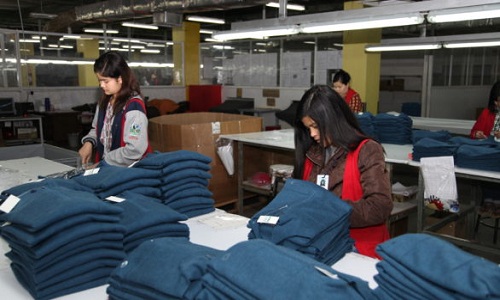
The apparel and footwear industry is the latest to join the agitation over President Trump’s tariff plans on China. The move would lead to higher consumer prices. The US government is planning to impose tariff on Chinese IT, telecom and consumer goods with a view to force changes in China’s intellectual property and investment prices. Apart from a number of US retail giants, the American Apparel and Footwear Association (AAFA) and as many as 82 footwear companies have written to the President opposing the tariff.
Meanwhile, the apparel and footwear industry, particularly men’s and boys’ apparel wholesaling, has been growing steadily over the past five years and the momentum will continue in future as well. Additionally, consumer expenditure has risen on the back of a recovering economy, increasing consumer confidence, wage growth and higher purchasing power, which ultimately resulted in higher revenues for companies. Thus, it makes perfect sense to invest in apparel and footwear stocks.
Washington could impose more than $60 billion in tariffs on goods ranging from apparels to footwear, electronics and toys. Analysts feel any additional broad-based tariff means burdening the American working class as they will have to pay higher prices for household basics like clothing, shoes and electronics. There is a sense of caution among the entire US fashion industry. The imposition of 25 per cent and 10 per cent tariffs on imported steel and aluminum too will hit the apparel and footwear industry. Steve Lamar, Executive VP, AAFA points out imposing tariffs on imported items ultimately passes on to consumers. There is a direct cost that rolls into the industry. It is not like the can industry or the auto industry but it is there. Manufacturers, retailers and importers purchase trucks to haul merchandise and manufacturers package their goods in aluminum cans, he said.
Associations’ views
In a letter to President Trump, US apparel and retail organizations has said because duty rates in these product categories are so high and since China is a dominant supplier, imports from China account for most duties collected by the US government. In fact, duties on US imports of these consumer products from China already represent more than 22 per cent of all tariffs the US collects from all countries on all products. What’s more, such duties are paid by US workers, consumers, and companies—not China.
United States Fashion Industry Association (USFIA) has said while they support efforts to protect the IP of brands and retailers, they will never support punitive tariffs based on fiction that imports harm domestic jobs and growth. The new tariffs will not create more jobs in the US instead, will harm the companies that already create thousands of high-quality jobs in design, marketing, retail, logistics, compliance, within the US. These tariffs will surely harm American consumers, who will face higher prices on the clothes, shoes, home products, and other essentials.
It’s still too early to comprehend the future scenario. Bivens Collinson feels there is no way manufacturer or brands can absorb the high tariff. While the entire 35 per cent may not be added to the cost of an item, at least some may be added to the cost of apparel and footwear.
US revokes Rwanda’s duty free access benefits
The US plans to suspend duty-free access to Rwandan textile imports. The reason is the African nation’s refusal to lower trade barriers for American-made clothing and shoes.
Rwanda is among the countries eligible for trade benefits under the African Growth and Opportunity Act. AGOA rewards African nations that undertake economic and governance reforms with duty-free US market access.
Rwanda was among three East African nations—the others are Tanzania and Uganda--that banned imports of used clothing and shoes from the US. The US-based Secondary Materials and Recycled Textiles Association said the ban would impose significant economic hardship in the US used-clothing industry. However, the US won’t suspend AGOA benefits for Tanzania and Uganda saying they have taken steps toward eliminating prohibitive tariff rates on imports of used clothing and footwear and committed not to phase in a ban of these products.
The US exported textiles and apparel worth 330,000 dollars to Rwanda in 2016. Coffee and tea shipments were among top exports to the US. Rwanda has been improving its overall business environment, winning praise for rebuilding since a genocide in 1994 that killed as many as 8,00,000 people. The country ranked second in Africa, behind Mauritius, in the World Bank’s 2018 Doing Business report, said it has carried out the most business-friendly reforms in the region in the past 15 years.
Steve Murray back at VF Corp as vice president
Steve Murray is vice president, Strategic Projects, at VF Corporation. This appointment marks Murray’s return to VF Corp. He had earlier served as president of the company’s Vans brand for five years.
In this newly created position, Murray will work around key strategic projects, including elevating The North Face’s footwear product strategy, and supporting the successful integration of the Altra brand into VF and the extension of its technical footwear capabilities into VF’s outdoor footwear platform.
Murray possesses a unique blend of apparel and footwear industry expertise, a proven record of leading successful businesses transformations, and an intimate knowledge of the VF business model, all of which will enable him to quickly create meaningful value. He has more than 30 years of experience in the apparel and footwear industry. He most recently served as CEO of Airwair International where he was responsible for leading the company’s transformation from a manufacturing-led, family owned entity to a consumer-focused, private equity-backed, global retailer. Earlier in his career he was the global head of apparel at Reebok.
VF Corporation is a global leader in branded lifestyle apparel, footwear and accessories. It is transforming into a more agile, consumer-centric organization and maintains focus on advancing the high priority, strategic initiatives that will accelerate growth for its brands and create value across its global enterprise.
Post-Brexit trade deals could make the world's poorest worse off
Ministers have expounded the mutual benefits of a new, UK-led era of global trading, outside the EU’s rules. Earlier this year, Liam Fox wrote that expanded trade relations will help bring “economic liberation” and prosperity to the poorest nations. Ministers are right about the expansion of UK trade and potentially huge benefits to some of the poorest countries.
In some of the poorest countries in the world, including some Commonwealth countries, there is strong evidence that badly-designed trade deals can hinder development and harm women’s rights in particular. They can encourage a race to the bottom between poorer countries on workers’ rights and low pay; limit what governments can do to uphold rights, and to fund public services; and, through rapid changes in the jobs market, they can increase poverty.
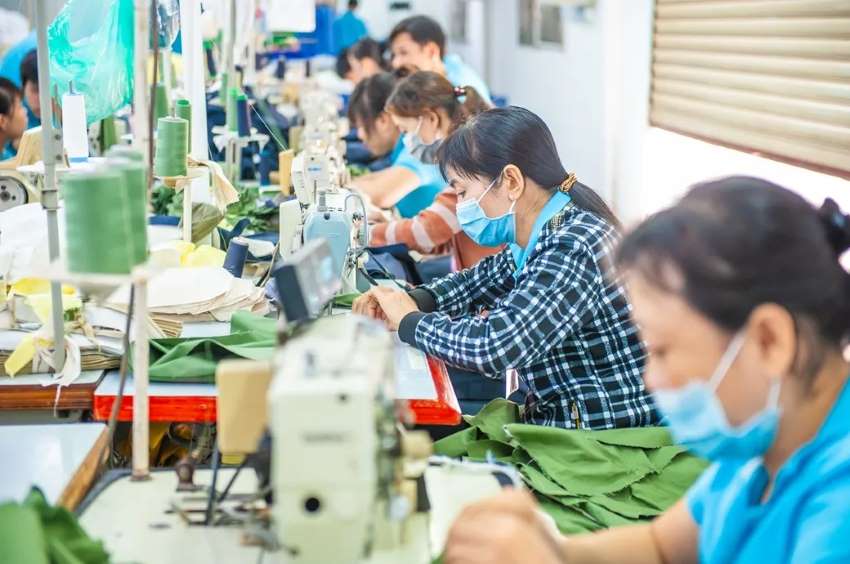
Workers typically women and girls are often forced to work long hours, and frequently harassed or worse at work. Low value industries like clothes manufacturing tend to grow when a country opens up to trade, and while many jobs might be created, they are often deeply insecure and unsafe.
In Egypt, an investment treaty has allowed a French corporation to sue the government over its plans to bring in the minimum wage. In Vietnam, rapid liberalisation risks sinking a thriving food processing industry as the domestic market will be inundated with cheap imports, and many domestic firms that employ female seafood farmers are unlikely to survive.
The Brexit transition period, is a golden opportunity for world-leaders to take a principled approach to trade. Starting at the upcoming Commonwealth leaders’ summit in London, ministers should commit to the fairest possible post-Brexit trade offer. The UK’s proposed trade deals should be grounded in the strongest international rights standards and based on solid assessments of the likely impact on the poorest.
Many Middle East buyers mark their presence at Spinexpo
The latest edition of Spinexpo held in China from March 13 to 15, 2018 welcomed 10,271 visitors from 54 countries. Besides regular attendees, the exhibition also attracted a number of first-time visitors. The number of visitors from Japan, Taiwan and Korea remained stable. There was a steady increase in the number of visitors from Europe. The number of visitors from Russia and the USA was up. However, it was the Middle East and Bangladesh that posted the steepest rise, with 50 per cent more visitors than the 2017 spring/summer season.
Spinners displayed a range of materials, from cashmere to merino, viscose, paper yarns, linen, hemp, raffia and a rich variety of cottons and mixture of materials. Buyers had an unparalleled choice, enabling them to distinguish and refresh their future collections.
Several Chinese exhibitors at the event, mostly exporters, are now focusing on local consumption, which is moving rapidly upmarket. New brands are being created every day and e-commerce has become an important part of daily life in China as elsewhere. Recycling and sustainable development are edging closer to reality, with many brands having already announced to their suppliers their intention of including this request in their purchasing system by 2020.
Knitting industry needs modern technology for healthier growth
The multi-billion-dollar RMG sector of Bangladesh exported garments worth $28.6 billion last fiscal year, which is 84 per cent of the total export earnings of the country. Various types of garments are manufactured in Bangladesh and all readymade garments are classified into two broad categories: woven and knitted. Knitted items production is increasing at a considerable rate and now more than 40 per cent export earnings have achieved from knitted products. In 2017, the value of woven and knitted product’s export was respectively $14.39 billion and $13.75 billion.
The Knitwear industry of Bangladesh has global competitiveness in terms of product quality, price and industrial up gradation by using of latest machinery, vertical integration, and industrial agglomeration. Recently a team of Bangladesh Textile Today has met with Swapan Kumar Das, Managing Director, Texworld Associates and discussed several issues on knitting industry and sustainable machinery.
Achieving the $50 billion export target by 2021 from readymade garment sector is becoming more challenging and sustainable Textile Machinery are needed to adopt in RMG industry for both woven and knitting sector. Price of knitting machinery in Bangladesh comparatively has not gone up recently. He emphasized that Bangladesh government needs to take a step to make conscious the entrepreneurs about new technologies. Therefore, the entrepreneurs can easily move to use new technology for better growth and sustainability. In Bangladesh, industry owners have very little idea about new technology. Some factories are using modern machinery but due to lack of skilled workforce they are facing several problems.
Italy textile machinery makers to display at Techtextil
Italian machinery manufacturers involved in the production of machines for technical textiles will show their innovative solutions at Techtextil, US, May 22 to 24. Italian exports to the US market testify the will of American textile customers to invest in new equipment. During January to November 2017, Italian exports of textile machinery to the US grew ten per cent compared to the same period of the previous year. In 2017 the most relevant share of Italian machines exported to the US market was for the finishing sector, followed by accessories.
Techtextil opens under the best auspices for the American technical textile and nonwoven market. The US market for specialty fabrics and technical textiles grew 2.6 per cent in 2017 and the projections for 2018 are quite positive. Moreover US exports of specialty and industrial fabrics rose 4.22 per cent in 2017 over 2016.
Techtextil presents the complete spectrum of technical textiles and nonwovens for all areas of application, making it one of the most relevant user fairs for textile innovations. Technical textiles include textile-reinforced concrete, woven fabrics for lightweight constructions and functionalised textiles. They have applications in the automobile and aerospace industries, architecture, construction, occupational safety, sport, mobility and apparel segments.
India to negotiate free trade with African Continental Free Trade Area
Complimenting African nations on successfully concluding the African Continental Free Trade Agreement (AfCFTA), Indian minister for commerce and industry Suresh Prabhu says India will negotiate an unique free trade agreement with the AfCFTA that will be beneficial to the continent’s needs. The current India-Africa trade volume is far below potential.
Efforts are needed to step up the current India-Africa trade volume worth $53-billion and diversify the trade basket, he told the inaugural session of the 13th Confederation of Indian Industry (CII)-Exim Bank Conclave on India-Africa Project Partnership in New Delhi recently.
The ministry is refurbishing export insurance and the Project Export Promotion Council to provide the much needed boost to India’s exports to Africa. He further added the government is also planning to set up a new India-Africa Development Fund to synergise the lines of credit and other export promotion and development programs to bring about a more holistic development of the continent.