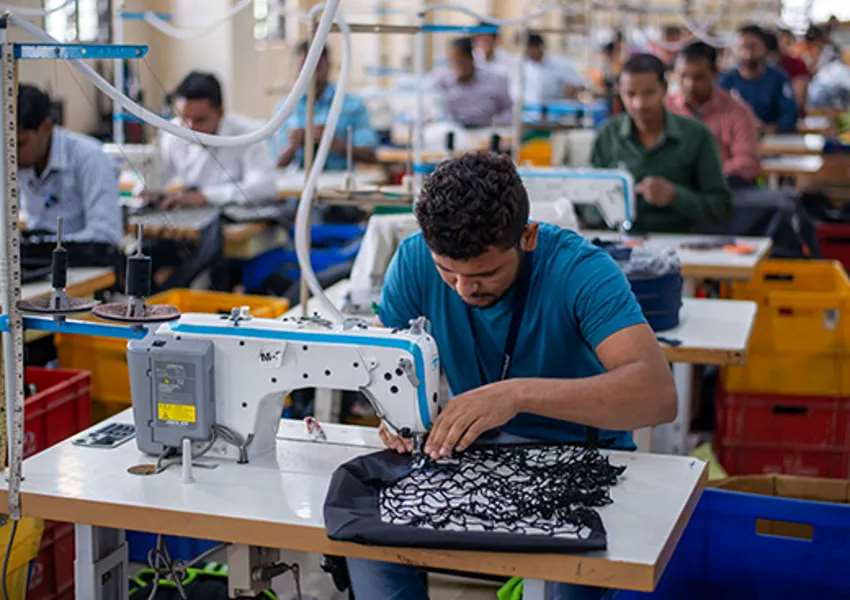
FW
Sanganer textile cluster to complete full effluent network coverage
Industrial wastewater management within Jaipur’s renowned Sanganer textile cluster is advancing toward complete regulatory integration. With 758 of the 892 member textile units already linked to the Common Effluent Treatment Plant network, state authorities have targeted August for full connectivity upon finalizing the critical pumping station at Brahmanon Ki Guwar. Executed by Sanganer Enviro Project Development alongside the Rajasthan State Pollution Control Board, the initiative enforces a mission-mode approach mandated during high-level state reviews to eliminate unmonitored discharge.
While a fraction of processing units previously relied on conventional tanker transportation to clear liquid waste, expanding industrial scale rendered temporary logistics inadequate for high-volume textile processing. Comprehensive pipeline integration ensures, local block-printing and dyeing operations comply with environmental frameworks without compromising production timelines, noted a senior state environment official. Overcoming prior infrastructural delays following tribunal clearances, the operationalization of the network secures long-term ecological compliance, boosting the export viability of Sanganer’s heritage handcrafted fabrics across international markets.
Fiber producers accelerate bio-based and high-tenacity innovations
Following recent global trade expositions, Indian fiber and spinning manufacturers are intensely accelerating investments in green chemistry, bio-based polymers, and high-tenacity synthetic yarns. Faced with fluctuating crude oil benchmarks and tightening raw material supplies, domestic spinning mills are steering production toward sustainable alternatives to protect operating margins while addressing strict international environmental regulations.
Industry leaders are scaling output of mechanically recycled cotton and advanced bio-synthetics to meet accelerating demand from global apparel brands. Embracing green chemistry and circular fiber configurations is no longer an optional differentiator; it is a baseline requirement for maintaining export competitiveness across European and North American markets, states Rajiv Mehta, Director - Synthetic Fibers, Northern Spinners Association.
This strategic shift coincides with rising feedstock values, prompting mills to diversify portfolios away from conventional cotton toward high-margin technical yarns. Consequently, domestic fiber producers are successfully securing long-term supply agreements with export-oriented garment manufacturers navigating evolving trade dynamics.
Sanathan Textiles nears commercial launch of expanded technical yarn capacity
Sanathan Textiles is in the final execution phase for its technical textiles yarn manufacturing expansion at its Silvassa facility, successfully elevating output capacity from 9,000 metric tons per annum to 18,000 metric tons per annum. With civil construction finalized and advanced machinery fully installed, commercial production is scheduled to commence in August 2026.
The strategic scale-up targets high-margin specialized sectors, addressing rising domestic and export demand across automotive, defense, infrastructure, healthcare, and protective safety wear. Expanding the company’s specialized technical yarn footprint enables it to capture higher value-addition segments while diversifying their product mix beyond conventional textiles, notes Jude D'souza, Company Secretary and Compliance Officer. This operational milestone complements the company's broader manufacturing roadmap, reinforcing structural growth as downstream industries increasingly demand high-tenacity, specialized filament yarns.
A prominent Indian yarn manufacturer, Sanathan Textiles operates across polyester filament, cotton, and technical textile segments. Serving over 7,000 customers globally across 27 countries, the company focuses on scaling specialized value-added output, backed by advanced automated facilities in Silvassa and Punjab, delivering steady financial and operational performance.
Indian polyester and poly-cotton yarns strengthen amid firm upstream costs
Indian polyester and polyester-cotton (PC) spun yarn markets have demonstrated notable resilience, posting steady gains driven by firming raw material costs and sustained domestic offtake. While global synthetic fiber indicators experienced minor fluctuations, domestic trading hubs across Bhiwandi, Surat, and Ahmedabad reported firmer mill offers for poly-blend configurations, supported by robust demand from powerloom weavers and regional knitting clusters.
The upward pricing momentum is closely tied to rising feedstock values and stronger cotton floor prices. Following recent upward adjustments by the Cotton Corporation of India (CCI) in weekly raw cotton auctions, spinning mills processing blended yarns have adjusted price realizations upward to protect operating margins. Market participants note, 32s and 40s poly-cotton blends have witnessed increased procurement interest from export-oriented garment manufacturers seeking cost-effective alternatives to 100 per cent natural fibers.
Demand across blended categories remains stable as downstream fabric manufacturers lock in forward contracts ahead of the upcoming festive season inventory cycle, states Rameshwar Agarwal, a veteran textile merchant in western India. Although fluctuating crude oil benchmarks introduce cost volatility for upstream polyester staples, balanced inventory levels across major spinning mills have prevented speculative dips, ensuring a stable pricing environment for the domestic weaving sector.
CMAI unveils blueprint for global apparel dominance at Bharat Tex 2026
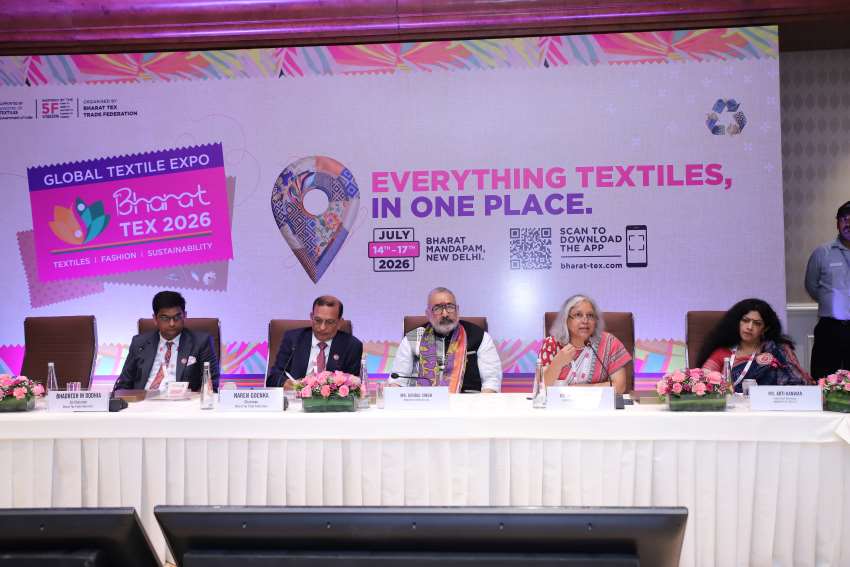
The Clothing Manufacturers Association of India (CMAI) concluded its high-profile engagement at Bharat Tex 2026 by establishing a definitive agenda for the country’s textile and apparel sector. Moving past traditional volume-based metrics, the association facilitated a major strategic rollout alongside the Global Alliance for Textile Sustainability (GATS), focusing heavily on building robust infrastructure to meet stringent international compliance regulations. Industry leaders emphasized, future export expansion relies on deep technological integration and absolute supply chain transparency rather than basic manufacturing scale.
Navigating evolving regulatory pressures
International sourcing demands have shifted dramatically due to stringent environmental policies enforced across Western markets, including the European Union's Ecodesign for Sustainable Products Regulation and mandatory Digital Product Passports. To address these challenges directly, CMAI curated specialized zones like the Eco-Stitch Sustainability & Circularity Hub, demonstrating how domestic garment makers can successfully convert waste management and circular economies into commercial advantages. Global buyers are evaluating sourcing destinations through the strict lens of transparency and regulatory preparedness, notes Santosh Katariya, President, CMAI.
Unlocking value through strategic blueprints
Underscoring this operational evolution, the apex body launched the India Textiles & Apparel CXO Blueprint 2030, projecting that an optimized circular ecosystem could unlock approximately $9.4 billion in economic value. The framework addresses critical sector hurdles, identifying artificial intelligence adoption, automated manufacturing, and comprehensive traceability as non-negotiable priorities. By coupling these technological upgrades with expanding bilateral trade agreements, Indian apparel enterprises are actively positioning themselves to capture a significantly larger share of the $250 billion domestic market and premium global retail segments.
CMAI at a glance
The Clothing Manufacturers Association of India operates as the premier representative body for the nation's domestic apparel sector, championing policy reforms and modern manufacturing standards. Representing thousands of member brands and manufacturers across core product categories like mainstream fashion, innerwear, and sleepwear, the organization directs its long-term growth plans toward elevating export capabilities and accelerating digital transformation. Historically recognized for unifying India's fragmented garment ecosystem, CMAI continues to drive robust financial performance and structural resilience across the supply chain.
Trident unveils Rs 100 crore innovation drive to strengthen home textile leadership
Trident Ltd has announced a Rs 100 crore investment program to accelerate product innovation, process automation and sustainable manufacturing across its home textiles business, reinforcing the company's strategy to capture higher-value demand in domestic and international markets. The investment will support the development of advanced towels, bed linen and premium cotton products while expanding capabilities in functional finishes, digital product development and resource-efficient manufacturing.
The move comes as global home textile sourcing continues to shift toward suppliers offering traceability, lower environmental impact and faster product development. According to industry estimates, India's home textile exports exceeded US$8 billion in FY2024-25, supported by resilient demand from the US and Europe despite ongoing geopolitical and freight-related uncertainties. Analysts believe investments in innovation will increasingly determine supplier competitiveness as retailers seek differentiated products rather than volume-led sourcing.
Premiumization shapes export strategy
Company executives indicated, innovation spending will focus on improving fiber utilization, enhancing product durability and expanding sustainable offerings using certified cotton and recycled materials. Consumers today expect quality, sustainability and design innovation together. Investment in technology allows manufacturers to respond faster to changing retail requirements, says a senior textile industry consultant familiar with global sourcing trends.
A recent sourcing program for a European retail customer demonstrated, digitally engineered towel collections with water-saving dyeing processes reduced development timelines while improving production efficiency, highlighting how technology investments are becoming commercially significant for exporters.
With cotton prices remaining relatively stable and global retailers gradually rebuilding inventories, textile companies are directing capital towards value-added manufacturing instead of capacity expansion alone. Industry observers expect innovation-led investments to strengthen India's position against competing sourcing destinations such as Bangladesh, Vietnam and Turkey, particularly in premium home textile categories.
Supporting export competitiveness with premium products
Trident is one of India's leading integrated textile manufacturers, producing towels, bed linen, yarn and paper products for domestic and international markets. Established in the 1990s, the company exports to major global retailers across North America and Europe. Its growth strategy focuses on premium products, sustainability and technology-led manufacturing, with continued investment expected to support long-term margin improvement and export competitiveness.
US Polo Assn serves as Official Apparel Partner of the 2026 Cowdray Gold Cup
Operating in collaboration with the Brand Machine Group, US Polo Assn reinforced its international market presence by serving as the official apparel partner for the 2026 St Regis British Open Polo Championship at Cowdray Park. The nearly month-long high-goal tournament featured 19 elite international teams, culminating in a dramatic final where the underdog Gaston Polo Team edged out the Dubai Polo Team 9-8. Capitalizing on the high-profile sporting showcase, the brand deployed an immersive experiential merchandise pavilion highlighting its signature heritage campaigns. According to J Michael Prince, President and CEO, USPA Global, aligning with world-class athletic competition allows the brand to connect deeply with consumers who value heritage and active lifestyle apparel.
Strategic retail synergy and co-branded infrastructure
Beyond on-field sporting competition, the multi-year alliance with the historic West Sussex estate enabled comprehensive commercial activations, including custom co-branded apparel for all tournament staff and targeted charitable contributions. Industry analysts observe, heritage sportswear labels increasingly leverage premier sporting platforms to secure offline visibility, bridging traditional athletic prestige with omni-channel retail expansion across European markets. Boo Jalil, CEO, Brand Machine Group, notes, such high-profile partnerships successfully translate the dynamic energy of elite equestrian sports into compelling retail engagement and consumer loyalty across the United Kingdom.
Pursuing sustained growth with experiential marketing
US Polo Assn is the official brand of the United States Polo Association (USPA), offering a multi-billion-dollar global apparel, footwear, and accessories portfolio across more than 190 countries. The brand targets urban and lifestyle consumers through expansive retail networks, pursuing sustained international growth via experiential marketing, leveraging decades of authentic connection to the sport of polo since its inception.
EU raises compliance stakes for global apparel supply chain
The European Union has significantly strengthened its textile sustainability framework by introducing stricter measures to curb fashion waste, accelerating the shift towards circular production across the apparel value chain. The latest regulations require member states to establish Extended Producer Responsibility (EPR) schemes for textiles while reinforcing separate collection systems for discarded clothing, increasing accountability for fashion brands selling into the EU market.
The policy arrives as Europe generates nearly 12.6 million tons of textile waste annually, according to the European Environment Agency, while less than one-quarter is collected separately for reuse or recycling. Industry analysts expect the new rules to increase demand for recycled fibres, traceable materials and eco-designed garments, creating fresh opportunities for textile manufacturers capable of meeting stringent sustainability standards.
The legislation marks a structural change in how apparel will be designed, sold and recovered," says Maria Svensson, a Brussels-based circular economy consultant. Exporters that invest early in recycled inputs, digital product traceability and responsible manufacturing will enjoy a stronger competitive position.
Exporters face higher compliance costs and new business opportunities
The reforms are expected to influence sourcing decisions across Asia, particularly in Bangladesh, India, Türkiye and Vietnam, which collectively account for a substantial share of Europe's apparel imports. Manufacturers are increasing investments in fiber-to-fiber recycling, digital product passports and chemical compliance to align with evolving EU requirements.
Indian textile companies are already expanding recycled polyester and mechanically recycled cotton production while integrating traceability platforms to satisfy European buyers. Industry executives note that although compliance costs will rise initially, premium sourcing contracts and long-term buyer relationships are likely to offset these investments.
A leading Tiruppur knitwear exporter recently expanded its recycled cotton programme, reporting growing enquiries from European retailers seeking garments with verified recycled content and transparent supply-chain documentation, illustrating how sustainability credentials are increasingly influencing sourcing decisions.
Promoting oworld’s most comprehensive textile sustainability programs
The European Union is advancing one of the world's most comprehensive textile sustainability programs, covering apparel, footwear and household textiles. The strategy promotes durable, repairable and recyclable products while reducing waste generation. Building on its Green Deal objectives, the EU expects circular textile policies to stimulate recycling investments, strengthen resource efficiency and create a more competitive low-carbon textile industry over the coming decade.
H&M expands circular denim portfolio with Refibra fiber innovation
H&M has broadened its sustainable denim offering by introducing garments made with Tencel Lyocell fibers incorporating Refibra technology, reflecting the fashion retailer's continued focus on lower-impact materials and circular textile sourcing. Developed by Austrian fiber producer Lenzing, Refibra technology blends responsibly sourced wood pulp with cotton textile waste, reducing dependence on virgin raw materials while supporting fiber recycling.
The launch comes as global apparel brands face increasing pressure to improve material traceability and comply with evolving sustainability regulations, particularly in Europe. According to Textile Exchange, preferred fiber adoption continues to grow across the industry as brands work toward climate and circularity commitments. Analysts note, integrating recycled cellulosic fibers into mainstream denim collections could accelerate commercial adoption beyond premium fashion segments.
Higher recycled content is becoming a sourcing requirement rather than a product differentiator, says Anna Keller, a European sustainable materials consultant. Retailers who commercialize advanced fibers at scale are better positioned to meet both regulatory expectations and changing consumer demand.
Retailers increase investment in circular fashion materials
The denim category remains one of fashion's most resource-intensive segments, requiring significant water, energy and chemical inputs. H&M's latest collection demonstrates how large retailers are incorporating next-generation fibres into everyday apparel without compromising quality or affordability.
The initiative also strengthens collaboration between global retailers and fibre innovators seeking to commercialise textile-to-textile recycling technologies. Industry observers expect wider adoption of regenerated cellulosic fibres as brands diversify sourcing strategies amid tightening environmental standards.
A Swedish sourcing partner working with European fashion retailers reported growing demand for fabrics containing recycled cellulosic fibres, noting that buyers increasingly request independently verified fibre traceability alongside environmental certifications before approving seasonal collections.
Supporting long-term sustainability commitments
H&M is one of the world's largest fashion retailers, operating across apparel, accessories and home furnishings in more than 70 markets. Founded in Sweden in 1947, the company has steadily expanded its sustainable materials portfolio through recycled and responsibly sourced fibers. Despite challenging retail conditions, H&M continues investing in circular design, material innovation and supply-chain transparency to support its long-term climate and sustainability commitments.
Breaking the Urban Wall: How the interior migration is redrawing India’s apparel map
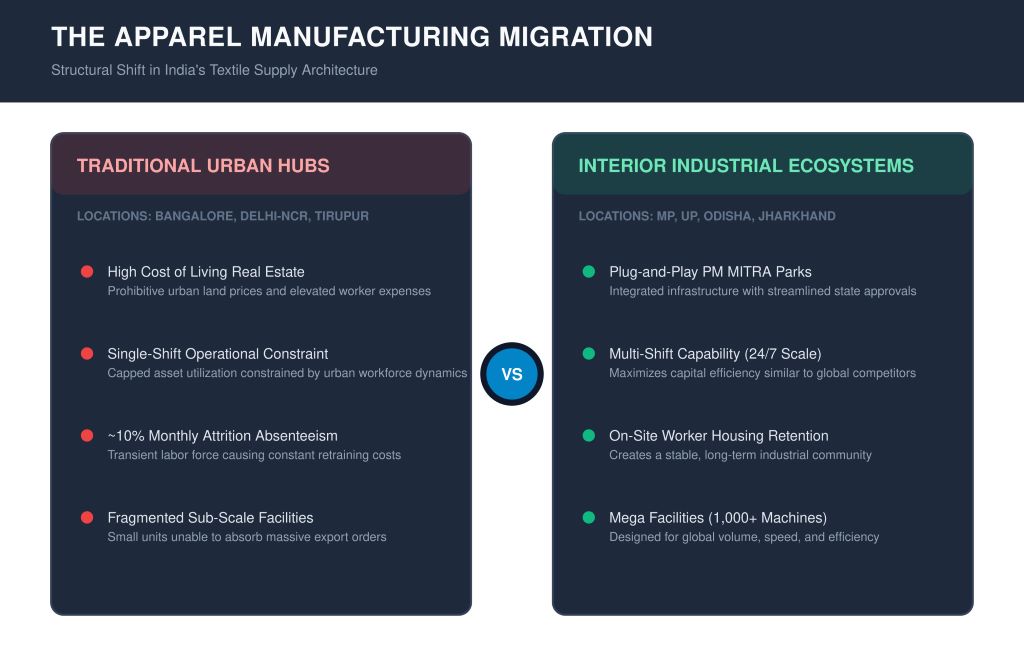
For decades, India’s garment manufacturing sector has been bound to its traditional strongholds; Bangalore, Delhi-NCR, and Tirupur. Yet, inside the high-stakes strategy sessions of the Bharat Tex Roundtable, industry leaders and policymakers confronted a stark, operational reality: the urban model that built India's apparel export engine has hit a structural wall.
To capture the global supply chain realignment and achieve the country's ambitious $100 billion export target, Indian apparel is embarking on a decisive geographical shift. The future of garmenting is migrating into the labor-surplus interiors of Madhya Pradesh, Uttar Pradesh, Odisha, and Jharkhand.
The Urban Cost Wall: Why Tier-1 garmenting has hit its limit
During the roundtable's primary deliberations, industry captains highlighted that historical production setups,defined by small, sub-scale factories operating single shifts in soaring metro areas, are no longer economically viable. High urban land values, elevated living expenses for workers, and localized infrastructure bottlenecks make expanding existing capacity in cities like Bangalore or Gurgaon prohibitively expensive.
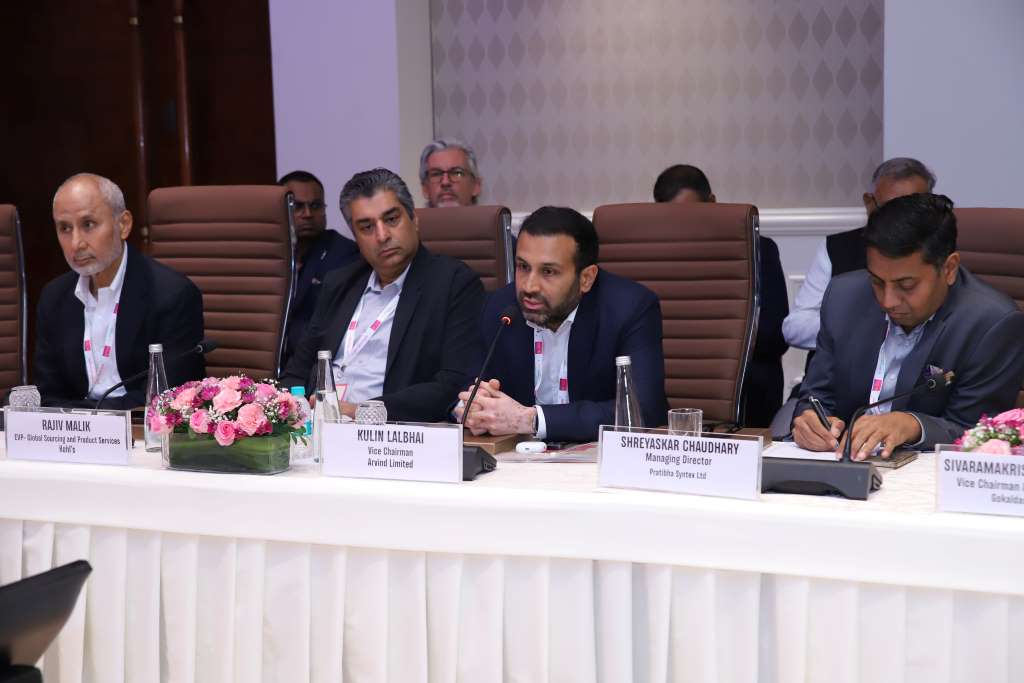
Kulin Lalbhai, Vice Chairman, Arvind Limited feels, "Historically, garmenting in India was small subscale factories set up in large cities where cost of living is very, very high and with single shift operations. To fix supply, we have to mobilize these new futuristic zones for garmenting. We need Madhya Pradesh, Uttar Pradesh, Jharkhand, Odisha. This is where the garment industry needs to thrive."
Operating single shifts in urban centers severely caps asset utilization. While competing apparel hubs in Sri Lanka, Vietnam, and Bangladesh run multi-shift operations to maximize capital efficiency, Indian urban manufacturers remain constrained by city-centric workforce dynamics and high overheads.
The Labor Retention Solution: Building integrated ecosystems
The core driver of this interior migration is labor stability. In Tier-1 apparel clusters, factories struggle with an unsustainable monthly attrition rate hovering around 10%, coupled with equivalent monthly absenteeism. This rapid churn severely damages factory efficiency, inflates retraining costs, and prevents suppliers from taking on large-scale, time-sensitive export orders.
Setting up manufacturing hubs in interior, labor-surplus states offers a structural fix. By anchoring facilities closer to worker hometowns and embedding dedicated worker housing into park designs, manufacturers can transform a transient workforce into a stable, long-term industrial community.
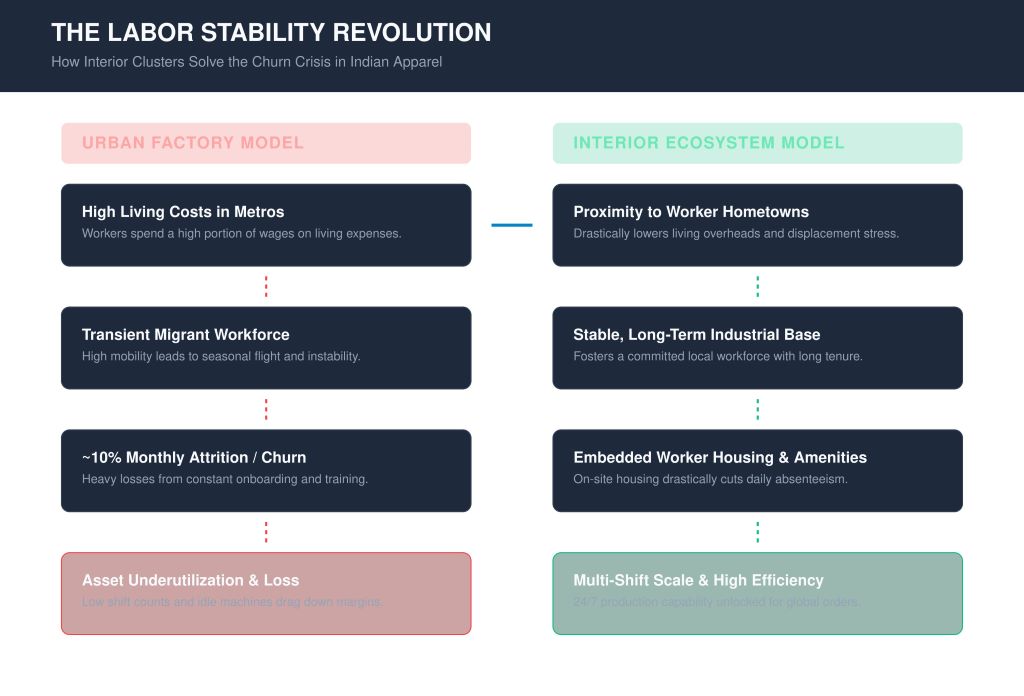
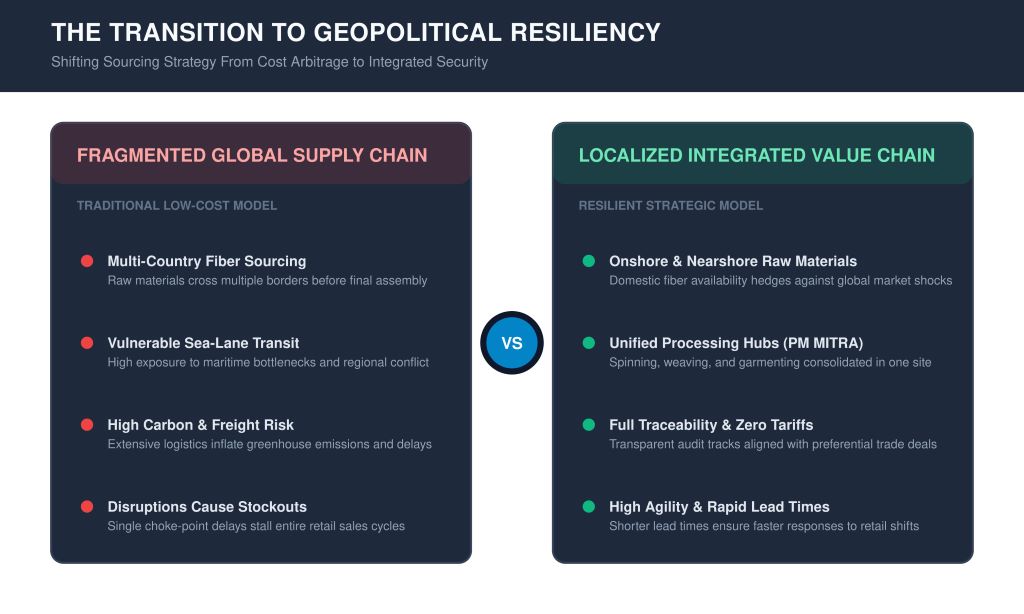
This model is being codified through mega-infrastructure projects like the PM MITRA (Mega Integrated Textile Region and Apparel) parks. Parks like the 2,158-acre PM MITRA hub in Dhar, Madhya Pradesh, integrate spinning, weaving, processing, and garmenting alongside dedicated worker housing and plug-and-play factory floors.
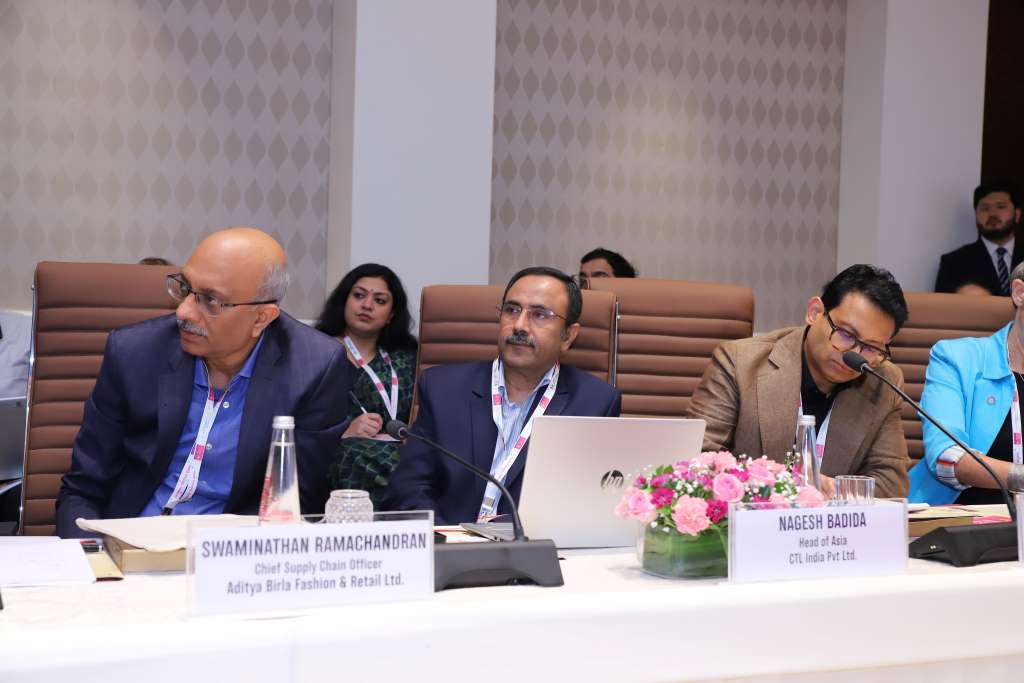
"No industry can survive with 10% monthly attrition and 10% monthly absentee. We have to have a model where labor stays with us. We reward labor well. Labor housing is solved for... when factories come up, it has to come up in sizes of 1,000 and 2,000 machines.", opines Swaminathan Ramachandran, Chief Supply Chain Officer, Aditya Birla Fashion & Retail Ltd.
Last-Mile Implementation: De-risking the greenfield leap
Despite the clear economic rationale, relocating the center of gravity of India's textile industry is not without friction. Panelists acknowledged a persistent managerial hesitation: mid-to-senior management teams and executive leadership naturally gravitate toward established hubs like Bangalore or Delhi, where talent pools, vendor networks, and social infrastructure already exist.
Building an industrial base in regions without prior garmenting heritage requires heavy upfront lifting. A new greenfield apparel unit carries a typical gestation period of roughly three years before achieving optimal worker productivity and financial breakeven. To bridge this gap and convince manufacturers to take the leap, industry leaders called on state governments to deliver on three key enablers:
● Single-window execution: Replacing multi-departmental bureaucracy with true single-window clearances to accelerate land allotment, power connections, and environmental permits.
● Gestation risk-sharing: Introducing targeted policies—such as accelerated depreciation and direct, labor-oriented production incentives—to offset operational losses during the initial three-year training phase.
● Dedicated Middle-Management training: Establishing regional supervisory training institutes in states like UP and MP to cultivate local quality managers, line supervisors, and floor leaders.
The Road Ahead: Scaling for the global stage
The interior migration is no longer just a cost-containment strategy; it is a fundamental requirement for global competitiveness. As FTAs open duty-free access to major Western markets, global brands seeking scale are looking for reliable suppliers capable of delivering massive volume with full social and environmental compliance.
By pairing state-level incentives with mega-infrastructure parks, interior states are positioning themselves to absorb India's next manufacturing boom. For Indian apparel, the path to $100 billion in exports runs directly through the industrial heartland.