FW
Vietnam’s textile sector navigates fragile growth amid global headwinds
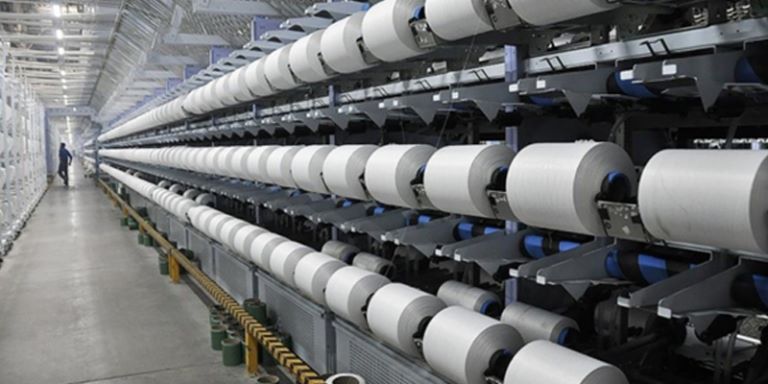
Vietnam’s textile and garment industry is currently navigating a period of tempered optimism as it enters the second half of 2026. While the sector recorded a modest 5.6 per cent Y-o-Yncrease in export revenue during the first five months of the year, reaching approximately $18.8 billion, industry leaders remain vigilant. Boosted by a short-lived rise in orders and strategic tariff positioning, the initial momentum is now being tested by persistent global economic uncertainties. As the industry strives to meet its annual export target of $48 billion to $49 billion, the focus has shifted from aggressive volume expansion to disciplined cost management and supply chain resilience.
Margin compression and operational realities
Manufacturers are currently grappling with significant headwinds, including a 30 per cent to 40 per cent rise in container shipping costs and mounting pressure from global brands to reduce prices. The challenge for 2026 is not merely the volume of orders, but the quality of these engagements, noted an executive at Vinatex. With global consumer demand remaining soft due to inflation, buyers are increasingly shortening order lead times - often finalizing plans just one to two months in advance. This requires high levels of operational flexibility, forcing firms to transition away from traditional, low-margin ‘cut-make-trim’ (CMT) models toward more integrated ‘original design manufacturing’ (ODM) frameworks to safeguard profitability against rising labor and raw material costs.
Diversification as a strategic buffer
Despite these pressures, Vietnam’s established presence in global supply chains continues to serve as a cornerstone for stability. Exporters are proactively diversifying their market reach, leveraging trade agreements like the EU-Vietnam Free Trade Agreement (EVFTA) to mitigate the volatility of the US and Asian markets. Furthermore, the industry is accelerating its transition toward ‘green manufacturing’ to satisfy the growing regulatory requirements of international buyers, particularly regarding carbon footprint transparency and supply chain traceability. While the road to the year-end target remains arduous, the industry's shift toward higher-value production and deeper vertical integration is positioning it to remain a preferred sourcing destination in an increasingly fragmented global landscape.
Vietnam textile and apparel industry
Vietnam is the world's third-largest apparel exporter, specializing in garments like jackets, T-shirts, and technical textiles. The sector is currently transitioning from contract manufacturing toward higher-value ODM/OBM models, focusing on sustainable practices and green energy to maintain competitiveness within global supply chains under the ‘China Plus One’ strategy.
HGH India 2026 to integrate traditional craftsmanship into mainstream supply chain
Opening on June 30. 2026 at the Bombay Exhibition Centre in Mumbai, the 19th edition of HGH India, opening June 30, 2026, at Mumbai’s Bombay Exhibition Centre, marks a significant convergence of India’s artisanal legacy and modern commercial retail.
The trade show dedicates an expansive space to the ‘Indian Heritage’ initiative with an aim to move traditional craftsmanship beyond niche markets and into the mainstream retail supply chain. With India’s home textile and décor sector growing at a robust CAGR of 15-20 per cent, organizers are positioning this platform as a vital link between master artisans - practicing skills like Rogan painting and Saadeli woodwork - and large-scale institutional buyers. This initiative addresses a critical industry challenge: the fragmentation of rural production. By facilitating direct interactions between National Award-winning craftsmen and professional retailers, the platform provides a sustainable blueprint for scaling traditional aesthetics. As the industry faces increasing demand for authenticity, this integration of GI-tagged products into broader retail portfolios offers a competitive advantage. HGH India’s commitment to this segment reflects a broader market shift where transparency and cultural storytelling have become essential drivers of consumer value, helping to secure the long-term economic viability of indigenous textile and décor traditions across diverse global and domestic retail channels.
HGH India is an annual professional trade show connecting domestic and international brands in home textiles, décor, and houseware. It facilitates business partnerships for retailers and distributors, focusing on market trends and design innovation. The event supports sector growth through specialized pavilions, aiming to modernize India’s retail home-product landscape.
Independent retailers embrace human-centric growth strategies at Autumn Fair 2026
As the retail landscape navigates shifting consumer habits and economic pressures, the 2026 edition of Autumn Fair is positioning itself as a vital laboratory for independent business transformation.
Scheduled for September 6–9 at the NEC Birmingham, the event’s new ‘Counter Talks Stage’ serves as a direct response to the Voices of Retail 2026 report. Produced in partnership with Faire, this data-backed study reveals a counterintuitive reality: rather than retreating, the most resilient independent businesses are doubling down on personality, brand storytelling, and localized community engagement to offset the dominance of online marketplaces.
Data-driven resilience in a digital age
The report indicates, while 71 per cent of surveyed independent retailers are currently stable or growing, the most successful operators are those fostering genuine human connections.
According to the findings, 61 per cent of shoppers actively choose independent stores for their unique ‘personality’ rather than price, highlighting, brick-and-mortar survival now hinges on creating experiences that algorithms cannot replicate. To address these demands, the Counter Talks Stage will host experts like social media strategist Alison Battisby and visual merchandising lead John Abbate. Their sessions will focus on converting social digital investment into physical store footfall, moving away from the ‘race to the bottom’ pricing strategies that data suggests often accelerate business decline.
Combating operational challenges through collaboration
Beyond trend forecasting, the fair tackles the practical impediments to retail growth, most notably the rising threat of organized crime. A high-profile session featuring Andrew Goodacre, CEO, BIRA and Lisa Maslen, Superintendent, National Business Crime Centre will provide operational security frameworks for store owners. This emphasis on tangible business safety, coupled with practical workshops on AI implementation and licensing, underscores the fair’s mission to provide immediate, actionable commercial intelligence. By integrating these expert-led insights with an expanded ‘Pitch Live’ competition and a new co-location strategy with the garden-industry show Glee, Autumn Fair aims to provide a unified sourcing environment that balances logistical efficiency with the creative, high-touch retail strategies required to thrive in the current economic climate.
UK’s premier wholesale marketplace for fashion and lifestyle
Autumn Fair is the UK’s premier wholesale marketplace for home, gift, fashion, and lifestyle sectors. Held annually at the NEC Birmingham, it connects over 13,000 independent retailers with hundreds of leading brands. The event serves as a central hub for seasonal product sourcing, trend discovery, and professional development.
Source Fashion 2026 to align ethical sourcing with commercial performance
Scheduled for July 7–9, 2026, at ExCeL London, the upcoming event – Source Fashion arrives at a critical juncture for the global apparel industry. As businesses grapple with fluctuating raw material costs, rigorous new environmental regulations, and shifting consumer loyalty, this edition focuses on bridging the divide between sustainable ideals and bottom-line viability. By curating a program that integrates strategic macro-analysis with technical production insight, the event serves as a roadmap for brands attempting to modernize their supply chains without sacrificing profitability. Industry data suggests, retailers prioritizing supply chain transparency now see a marked improvement in consumer retention, confirming that responsible sourcing has transitioned from a niche preference to a core commercial mandate.
Strategic resilience and the nearshoring imperative
A central pillar of the July program is the focus on supply chain architecture. With global logistics facing ongoing volatility, sessions led by industry veterans such as Bill McRaith will examine the practical mechanics of nearshoring. Rather than relying on distant, high-risk manufacturing corridors, the discourse is shifting toward proximity-based models that offer superior responsiveness to market trends. Case studies presented by experts from LLUK will provide a rigorous assessment of whether domestic production capacity can truly mitigate risk for mid-to-large-scale brands. This practical analysis of ‘reshoring’ offers manufacturers and buyers the quantitative data required to evaluate the trade-offs between reduced lead times and the current cost structure of Western manufacturing.
Technology and the human element in manufacturing
Innovation at the 2026 show extends beyond digital platforms to the tangible mechanics of production. The introduction of ‘Fashion Deconstructed’ and ‘The Source Factory’ creates a dedicated space for the industry to demystify circular economy processes. By facilitating live demonstrations of garment repair, weaving, and construction techniques, Source Fashion highlights the vital role of artisanal craftsmanship in the modern production cycle. This is complemented by critical debates on the implementation of artificial intelligence, which aim to determine if automated systems can effectively handle the complexities of sourcing without diluting brand integrity. By balancing technological integration with the preservation of skilled manual labor, the show provides a blueprint for an industry attempting to scale responsibly in an era of heightened ethical scrutiny.
A global trade platform focused on sustainable sourcing
Source Fashion is a global trade platform connecting apparel manufacturers, raw material suppliers, and service providers with international fashion brands and retailers. Focusing on ethical and sustainable sourcing, the show covers the entire supply chain, from textiles and trims to finished goods, aiming to facilitate responsible production practices.
Performance apparel sector transforms with cellulosic fibers integration in 2026
Long defined by a reliance on petroleum-derived synthetics, the Performance Apparel sector is undergoing a profound material transformation in 2026. According to industry analysis, global activewear brands are aggressively integrating natural and man-made cellulosic fibers (MMCFs)- including lyocell, modal, and regenerated fibers - to address escalating consumer demand for environmental responsibility and thermophysiological comfort. While synthetic materials previously held a monopoly due to their cost-efficiency and moisture-management properties, the sector is now shifting toward a diversified material strategy. Modern yarn engineering and sophisticated fiber-blending techniques are enabling these sustainable alternatives to mirror the technical capabilities of polyester, effectively overcoming traditional limitations regarding elasticity and drying speeds.
Scaling innovation through fiber blending
The current focus of performance innovation is no longer limited to standalone materials but centers on advanced fiber blends. By combining the inherent breathability of fibers like merino wool or regenerative cotton with synthetic performance cores, manufacturers are achieving a balance that satisfies both rigorous technical requirements and rising ESG mandates. Companies such as Lenzing are spearheading this transition, positioning Tencel and other MMCFs as high-performance staples in next-to-skin garments. Furthermore, the commercialization of circular technologies - by innovators like Spinnova and Infinited Fiber Company - is providing brands with pathways to convert agricultural waste and textile discards into high-value performance yarns. This integration marks a departure from niche experimentation toward scalable industrial adoption, ensuring that performance apparel can meet both extreme durability standards and the regulatory pressure to reduce microplastic pollution.
Independent market perspectives on T&A industry
A leading global business information company, Textiles Intelligence provides independent market perspectives on the international textile and apparel industry. It publishes specialized research, including the Performance Apparel Markets quarterly, covering global trends in fibers, yarns, and fabrics to guide business strategies for retailers, manufacturers, and sourcing professionals worldwide.
Florence to host Pitti Filati 99 with 119 international spinning and knitting companies
The global textile sector converges in Florence this week as Pitti Filati 99 commences at the historic Fortezza da Basso. Running from June 24 to 26, 2026, this edition brings together 119 leading international spinning mills and knitwear specialists to define the technical and aesthetic trajectory of the coming seasons. As the industry grapples with shifting geopolitical dynamics and the urgent need for sustainable competitiveness, the fair serves as a critical junction for firms seeking to align high-end craftsmanship with scalable manufacturing solutions. Attendees are focusing heavily on advanced fiber research and the integration of next-generation digital tools within the traditional yarn-making process.
Prioritizing sustainable competitiveness and research
Beyond standard collection showcases, Pitti Filati 99 emphasizes the vital intersection of material science and corporate strategy. With the European Union’s evolving regulatory framework regarding product traceability and circularity, participants are prioritizing R&D initiatives that reduce environmental footprints without compromising yarn quality. The objective is to synthesize creative vision with the technical requirements of a globalized supply chain, noted a spokesperson for the organizing body. Major sections, including KnitClub and the dedicated Research Area, are facilitating high-level exchanges on automated customization and low-impact production. This strategic focus ensures that the event remains the primary reference point for designers and sourcing professionals aiming to navigate the complexities of contemporary material sourcing, from bio-based developments to refined natural fiber blending.
Premier international trade fair for yarns and fibers
Pitti Filati is the premier international trade fair dedicated to yarns, fibers, and knitwear innovation. Held biannually in Florence, it attracts global fashion designers, manufacturers, and buyers. The platform focuses on the entire textile value chain, championing creativity, sustainability, and technological research for the high-end apparel and knitwear markets.
USDA urged to expand domestic textile revitalization agenda
The United States Department of Agriculture (USDA) is facing fresh calls to broaden its domestic textile revitalization agenda. While the recently announced ‘Great American Cotton Plan’ has secured significant industry backing, Congresswoman Chellie Pingree (D-Maine) is urging the Department to integrate a more diverse range of natural fibers into its national production and processing framework. In a formal communication to Brooke Rollins, Secretary, USDA, Pingree emphasized, a truly resilient and sustainable American textile economy requires federal support for plant- and animal-based materials beyond cotton, including hemp, flax, wool, alpaca, and leather.
Aligning sustainability with industrial reshoring
The push for diversification comes as the global apparel industry faces mounting scrutiny over the environmental impact of petroleum-derived synthetics, which currently account for approximately 65 percent of global fiber production. Congresswoman Pingree, Founder, Congressional Slow Fashion Caucus, argues, expanding federal focus is not merely an environmental priority but an economic imperative. By reshoring the production of varied natural fibers, the U.S. can mitigate the risks of global supply chain volatility while providing farmers with new revenue streams. According to Pingree, such crops align with critical USDA mission areas, such as enhancing soil health through carbon sequestration and bolstering rural economic security.
Addressing the synthetic-plastic dependency
The current USDA strategy, anchored by the ‘Plant Not Plastic’ initiative, explicitly seeks to position natural fibers as the primary alternative to plastic-based materials like polyester. However, proponents of the broader natural fiber movement argue that limiting this transition to cotton alone overlooks the potential for specialized fibers - such as industrial hemp and flax - to meet the technical demands of high-performance modern textiles. As the USDA moves to implement its Great American Cotton Plan, the debate highlights a deepening national commitment to ‘Made in USA’ manufacturing, with a growing consensus that the future of the American textile sector lies in a sophisticated, sustainable, and diversified agricultural base.
US natural fiber initiatives
The USDA’s current focus centers on strengthening the domestic cotton economy through initiatives like the ‘Great American Cotton Plan,’ which provides financial support for growers, boosts domestic processing capacity, and promotes ‘Plant Not Plastic’ consumer awareness. These efforts aim to restore profitability for American farmers while reducing reliance on synthetic, plastic-based textiles in favor of natural, high-quality domestically grown fibers.
India reinforces trade safeguards on Chinese PET resin imports
The Indian Government has officially extended the anti-dumping duty on bottle-grade Polyethylene Terephthalate (PET) resin originating from China for another five years. Following a comprehensive sunset review by the Directorate General of Trade Remedies (DGTR), the Ministry of Finance confirmed, continuation of a $200.66 per metric ton levy on imports with an intrinsic viscosity of 0.72 decilitres per gram or higher. Formalized in mid-June 2026, this regulatory action aims to neutralize the impact of persistent dumping practices that have historically undercut domestic pricing and compromised the financial stability of Indian polymer manufacturers.
Industry impact and strategic decoupling
While PET resin is a fundamental component in the packaging sector, its influence on the broader textile value chain remains largely indirect. Most large-scale Indian polyester producers operate as fully integrated entities, converting purified terephthalic acid (PTA) and monoethylene glycol (MEG) directly into polyester staple fibre and filament yarns. By bypassing the need for intermediate PET resin chips, these manufacturers insulate themselves from raw material import volatility. Market analysts observe, the current decline in global crude oil prices and associated feedstocks is exerting significant downward pressure on polyester costs, effectively masking any incremental expenses that downstream converters might face due to the anti-dumping measure.
Navigating feedstock volatility
The extension of this trade barrier serves as a defensive mechanism to ensure a level playing field, particularly as regional consumption of packaged goods continues to climb. However, the textile industry’s pivot toward circularity is providing a buffer against such trade-related cost fluctuations. The increasing industrial adoption of chemically and mechanically recycled PET - often marketed as rPET chips - is offering manufacturers a domestic, sustainable alternative that circumvents the reliance on virgin imported polymers. As domestic supply chains become more sophisticated and self-reliant, the reliance on high-duty imported Chinese resin is expected to diminish further, reinforcing India's broader industrial objective of achieving material self-sufficiency.
PET resin in industry
Polyethylene Terephthalate (PET) resin is a versatile thermoplastic polymer primarily used for food and beverage packaging, such as bottles. In the textile sector, specialized textile-grade PET is spun into polyester fibers and yarns. The Indian market is currently scaling production to prioritize domestic and recycled inputs for long-term supply chain security.
The Alchemy of Adornment: Decoding the ‘Runway Trends’ and ‘Sartorial Shifts’ of Milano Fashion & Jewels Autumn 2026

As the global luxury sector navigates shifting economic currents, Milan continues to solidify its role as the definitive compass for style and retail strategy. Following a highly successful winter event, the international fashion community is turning its focus to the upcoming autumn edition of Milano Fashion & Jewels, taking place from Saturday, September 12th to Monday, September 14th, 2026, at the Fiera Milano (Rho) exhibition center.
Operating under the newly integrated ecosystem of Fashion Link Milano, the event synchronizes seamlessly with major concurrent trade shows including MICAM for footwear, MIPEL for leather goods, TheOneMilano for ready-to-wear, and Sì Sposaitalia Collezioni for bridal wear. This massive, coordinated industry synergy brings together over 46,000 professional visitors and international buyers from 125 countries of origin, creating a centralized, high-efficiency destination to discover upcoming trends and curate comprehensive apparel and accessory collections simultaneously.
The curated ‘Retail Shift’
The core theme underpinning the late-2026 showcase is "The New Retail Culture." Trade buyers are transitioning from traditional transactional purchasers into true brand curators. In an era where consumers actively demand brand narrative, supply-chain transparency, and product longevity, Milano Fashion & Jewels serves as an active observatory for high-quality, high-margin product sourcing. This focus bridges regional European craftsmanship with emerging international markets, spotlighting distinct design collectives from Italy, Spain, and Greece alongside dedicated heritage showcases backed by institutions like CNA Federmoda and Confartigianato Imprese.
Attending the exhibition provides crucial firsthand exposure to material innovation, custom packaging developments, and direct private label partnerships with European manufacturers who prioritize stringent quality control. Because accessories require lower production volumes compared to apparel, they allow retailers to experiment rapidly with seasonal trends without over-committing capital.
Core design and Trend Directions
Developed in collaboration with the research hub Poli.Design, the fair's signature Design Directions multimedia space layout provides the stylistic blueprints defining the jewelry, apparel, and accessory landscapes over the next two years.
The first major macro-trend is BeautyPure, which is driven by consumer demands for expressive simplicity, clean minimalist styling, and timelessness. This direction prioritizes essential color blocking—heavily featuring monochromatic black and white palettes—alongside clean geometric linearity, architectural metalwork, and subtle tone-on-tone detailing.
In stark contrast, AdoraBold presents a rebellious, iconic aesthetic that blends vintage mid-century silhouettes with vibrant, high-saturation color palettes. This style manifests on the runway as an interplay of heavy ornamentation, dramatic crystal settings, and ultra-light, unexpected material combinations.
Finally, the "BEYOND BODY" Exploration, curated by renowned jewelry authority Alba Cappellieri, serves as a conceptual launch cycle that challenges traditional adornment. It investigates how modern accessories can actively manipulate silhouettes, expand physical volumes using mixed-media materials, and establish an entirely new relationship between avant-garde design and the human form.
The runway and the ‘Retail Engine’
Organized directly by Fiera Milano S.p.A., the three-day B2B event occupies one of Europe’s largest exhibition facilities. The autumn 2026 edition features a massive exhibitor profile of more than 650 brand exhibitors, approximately 40% of whom travel from international design capitals outside of Italy. Approximately one-third of the total registered trade attendees represent highly specialized international buyers searching for distinct market differentiation.
To streamline navigation through the expansive halls, the exhibition floor features specialized, highly curated structural hubs. Key among these are the Container of Contemporary Jewels, which focuses on experimental independent artisans, and the Slow Fashion Lab, a dedicated section highlighting sustainable production methods, upcycled materials, and circular design ecosystems. From live runway showcases and active photography sets to digital B2B matchmaking initiatives, the upcoming autumn edition is positioned to guide retail buyers, independent boutiques, and luxury concept stores through the aesthetic and structural evolutions shaping the future of fashion.
Engineered to Perform: How bio-based textiles are rewiring the $1.15 trillion athleisure industry

The global athleisure industry is entering a reset as the next phase of competition shifts from celebrity endorsements and logo visibility to material engineering and textile innovation. What was once a brand-led market is rapidly evolving into a technology-led sector where the competitive advantage increasingly lies inside the fabric rather than on the label.
The transformation comes at an important moment for the activewear industry. Global demand remains robust, but leading incumbents are facing slowing growth, margin pressure and growing investor skepticism. At the same time, tightening environmental regulations and changing consumer priorities are accelerating the rise of bio-based performance materials. The result is a new industrial race centered on engineered performance garments designed through molecular-level textile science rather than petroleum-heavy synthetic chemistry.
Premium growth shifts to engineered performance
The global activewear market is projected to be worth $536.8 billion in 2026 and reach nearly $756.3 billion by 2030, placing the sector on track toward a long-term trillion-dollar opportunity. Yet beneath the growth figures, the composition of demand is changing rapidly. Consumers in the premium segment are increasingly prioritizing functionality, chemical safety and sustainability transparency over traditional brand loyalty.
Analysts note that affluent shoppers are no longer satisfied with broad sustainability claims; they now expect detailed disclosure on fiber origin, material composition and manufacturing processes. This shift is reshaping growth patterns across the industry.
Table: Global athleisure market outlook (2025-30)
|
Metric |
Value in 2025 |
Forecast 2026 |
Projection 2030 |
CAGR |
|
Total Market Size |
$486.06 bn |
$536.81 bn |
$756.25 bn |
10.40% |
|
Sustainable Segment |
$108.08 bn |
$117.37 bn |
$164.11 bn |
8.60% |
|
Bio-based Textiles |
$49.84 bn (2024) |
$54.07 bn |
$81.31 bn |
8.50% |
The shift is particularly visible in premium activewear, where performance specifications are increasingly becoming a purchasing trigger. Material-first storytelling is now directly influencing conversion rates and consumer retention.
Investor anxiety exposes the limits of legacy brands
The market turbulence surrounding major global sportswear brands illustrates the scale of this transition. Lululemon, long viewed as the defining force behind the modern athleisure boom, faced sharp investor backlash in 2026 after appointing former Nike executive Heidi O’Neill as CEO. Investors interpreted the move as a continuation of legacy retail thinking at a time when the market is demanding technological reinvention.
The concern reflects broader weakness across the traditional sportswear ecosystem. Nike’s market capitalization erased nearly $28 billion in a single trading session in late 2024, while fiscal 2025 revenues remained largely stagnant between $46 billion and $51 billion.
Lululemon itself is under mounting operational pressure despite targeting $11.5 billion in annual revenue. Rising logistics costs and inventory pressures have already compressed operating margins by 380 basis points, exposing the vulnerability of conventional growth models dependent on scale expansion and brand positioning.
The emerging challenge for incumbents is that premium consumers are beginning to evaluate garments with the scrutiny once reserved for electronics or automobiles. Technical specifications are becoming more influential than advertising narratives.
Regulation strengthens textile science race
A major catalyst behind the industry reset is the tightening regulatory environment surrounding PFAS, per- and polyfluoroalkyl substances commonly known as forever chemicals.
Beginning January 2026, France implemented sweeping restrictions on PFAS use in textiles and footwear, with California and several Nordic markets following similar regulatory pathways. The new rules are forcing brands to reassess decades of reliance on synthetic membranes and chemical coatings used in high-performance apparel. The implications are enormous for global supply chains.
Large sections of legacy performance inventory are now at risk of regulatory non-compliance, particularly in outerwear and technical sportswear categories historically dependent on petroleum-derived treatments. As a result, textile manufacturers are pivoting toward mechanical engineering solutions instead of chemical enhancement. High-density weaving, pressure-finishing and advanced fabric construction techniques are emerging as alternatives to synthetic coatings.
Industry estimates suggest that 57 per cent of apparel brands are actively replacing synthetic inputs to avoid future compliance risks. Simultaneously, 64 per cent of consumers now rank chemical safety ahead of traditional brand prestige when evaluating premium apparel purchases. The regulatory shift is therefore not merely environmental policy; it is becoming a direct commercial differentiator.
The rise of petroleum-free performance apparel
One of the most significant developments in this transition is the emergence of fully petroleum-free technical garments. The collaboration between ARMEDANGELS, the Lenzing Group and designer Johannes Fürst has become an important proof-of-concept for the sector. Their newly developed windbreaker, constructed entirely from Tencel Lyocell Ripstop, eliminates petroleum synthetics, chemical membranes and PFAS treatments altogether.
Instead of relying on plastic-based coatings, the garment achieves 97 per cent wind resistance through high-density weaving and digitally engineered 3D construction methods that comply with ISO 9237 testing standards.
The commercial results have been equally significant. According to company data, detailed material-focused product descriptions generated a 29.9 per cent increase in conversion rates during consumer A/B testing.
The innovation also addresses a growing environmental liability facing synthetic sportswear: microfiber pollution. Current estimates indicate that 35 per cen of ocean microplastics originate from laundering synthetic textiles, placing growing pressure on apparel companies to redesign materials at source. By utilizing a cellulose-based mono-material structure, the garment becomes fully biodegradable while simplifying recycling and circularity pathways.
The development signals a broader change in how performance apparel is being conceptualized. Increasingly, performance is being treated as an engineering discipline rather than a branding exercise.
China and Asia become testing grounds GenX athleisure
The transition toward bio-performance apparel is unfolding fastest in international growth markets, particularly across Asia. While North American sales for several legacy brands have softened, China continues to demonstrate strong demand for technically advanced luxury activewear. Recent quarterly results showed international revenue growth exceeding 20 per cent in several premium sportswear segments, driven by affluent consumers seeking higher-specification products.
Asian consumers are also proving more receptive to material innovation narratives, especially around biodegradability, bio-based fibers and low-chemical manufacturing. This creates a strategic dilemma for Western incumbents. Traditional activewear strategies built around celebrity influence and lifestyle branding are delivering diminishing returns, while textile innovation cycles are becoming shorter and more capital-intensive.
The next generation of market leaders is therefore likely to emerge not from advertising dominance, but from proprietary material ecosystems and vertically integrated textile capabilities.
The future of athleisure is increasingly being defined by textile science rather than fashion marketing. The old model built around recycled polyester, aggressive logo placement and celebrity-led campaigns is steadily losing relevance among premium consumers demanding measurable technical integrity. What is emerging instead is a bio-performance economy where garments are evaluated through the lens of engineering precision, circularity and chemical transparency.
For brands, this transition fundamentally changes the definition of competitive advantage. The winners of the next decade may not be those with the loudest campaigns, but those capable of building proprietary material platforms that combine functionality, biodegradability and regulatory resilience. In the next phase of the global activewear race, the fabric itself is becoming the product.