Accounting for over 84 per cent of the nation’s export earnings, the Bangladesh ready-made garment (RMG) sector is encountering a significant contraction cycle. Following a decade of consistent growth, recent data from the Export Promotion Bureau reveals a 3.15 per cent decline in total merchandise exports for the first eight months of FY26. This slowdown is primarily driven by an apparel sector struggling with weakening demand in North American and European markets, coupled with domestic pressures including rising energy costs and high financing rates. While Bangladesh remains the world’s second-largest garment exporter, the industry's traditional reliance on low-cost, basic cotton apparel is being challenged by a shifting global preference toward higher-value, synthetic, and functional textiles.
Navigating the competitive divide
While Bangladesh fights to stabilize its output, Vietnam is rapidly capturing market share by prioritizing technical capabilities and high-value product segments. Vietnam’s apparel exports to the United States already eclipse those of Bangladesh by nearly a two-to-one margin, a divide rooted in Vietnam’s sophisticated supply chain integration and advantageous free trade agreements. Industry observers note, while Bangladesh retains a cost-efficiency edge, the ‘volume-first’ strategy is proving vulnerable. Vietnam is not simply exporting more garments; they are exporting better, more functional, and significantly higher-value items, notes a recent trade analysis. As Bangladesh approaches its Least Developed Country (LDC) graduation, the impending loss of duty-free access to major markets necessitates an urgent transition toward man-made fiber (MMF) production and improved supply chain efficiency.
Strategic imperatives for 2026
The industry's path forward hinges on balancing immediate fiscal stabilization with long-term structural reform. Manufacturers are increasingly looking towards digital production management and AI-powered traceability to enhance profit margins and meet the stringent compliance standards required by international buyers. Furthermore, the burgeoning textile recycling sector in Bangladesh presents a fresh opportunity to capitalize on the European Union's mandates for recycled content in apparel. Despite these prospects, the sector faces an ‘innovation gap’ where rising operational costs continue to squeeze margins, leaving little room for error.
The coming quarters will determine whether the industry can successfully pivot from being a high-volume supplier to a sophisticated, diversified manufacturing partner.
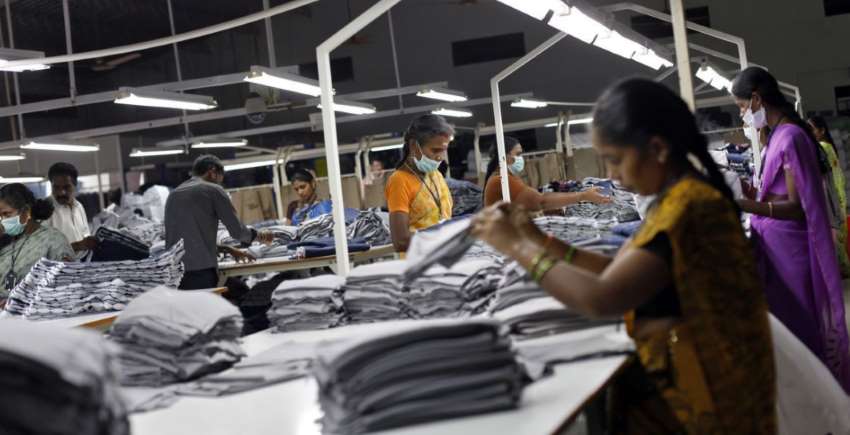
The Bangladesh RMG sector is the primary driver of the nation’s economy, supporting nearly 4.5 million workers across over 3,800 export-oriented factories. The sector specializes in knitwear and woven apparel for global retail giants. Currently, the industry is navigating LDC graduation and a transition toward higher-value, sustainable production methods.