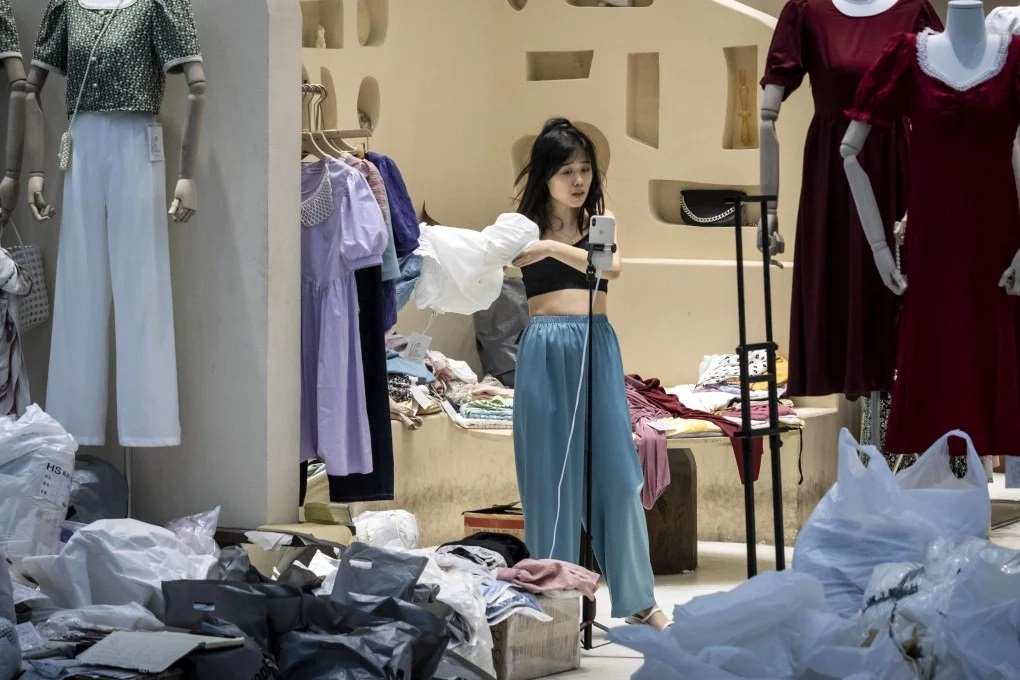
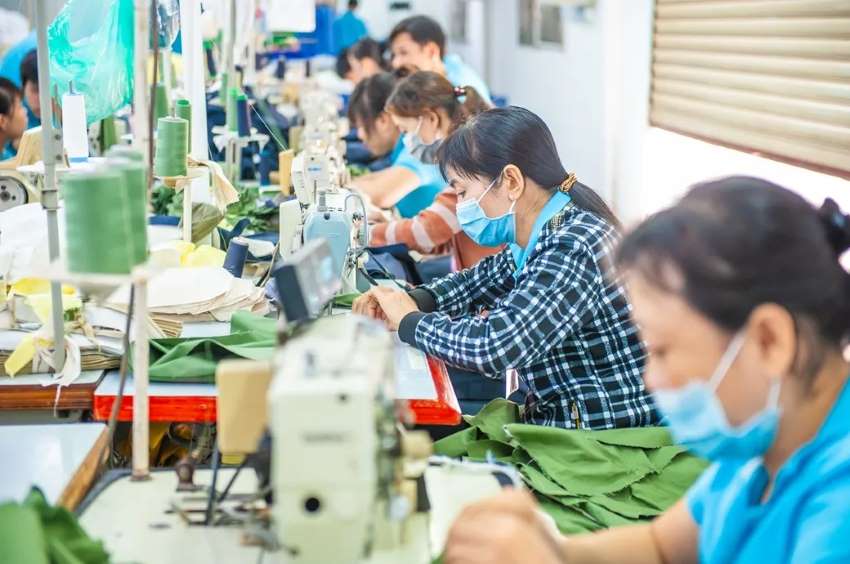
Millennials and Gen Z are becoming aware of the massive ecological damage that fast fashion is having on the planet. It’s no secret that fast fashion has been responsible for a catastrophic level of environmental pollution. Overt use of raw materials, water pollution and greenhouse gas emissions are only part of the story. This circular buy, wear and toss behavior is impacting landfills and becoming a major carbon contributor. Fast fashion has also played a very dark role in contributing to black market trafficking of forced labor.
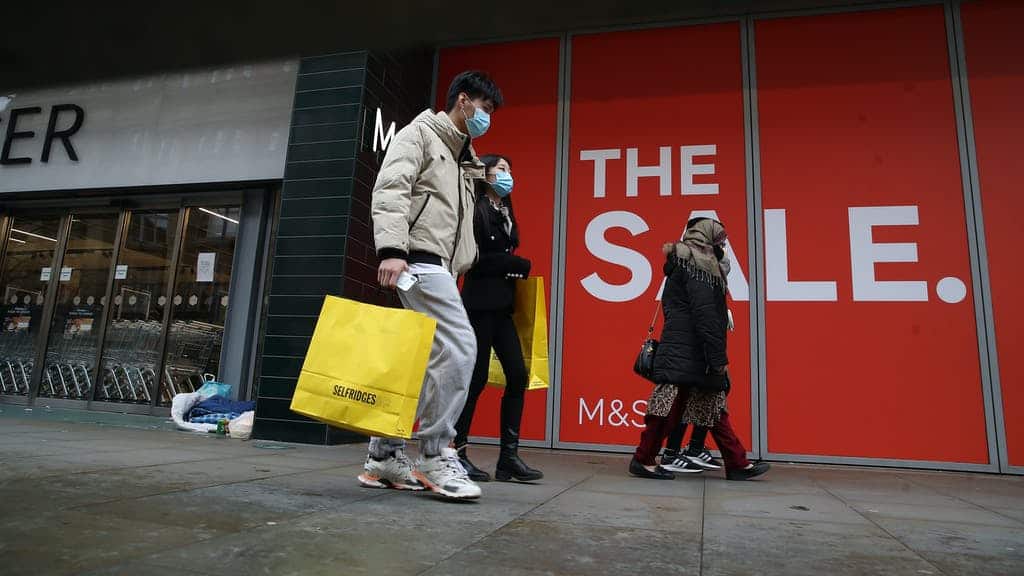
There is evidence the seemingly unstoppable growth of fast fashion giants H&M and Zara may be slowing, or at least changing. H&M plans to close 160 stores. The fashion giant was hit hard in mid-2018, after accumulating huge unsold inventory, forcing significant discounting to clear out the goods. The effect of this resulted in unexpected reductions in profits for the sixth straight quarter.
Contrary to the forces behind fast fashion, there is evidence of movement by consumers of all ages and demographics towards buying fewer but higher-quality basics that can be mixed, matched and re-worn, even with the addition of some great vintage accessories. Significant changes are underway—away from what’s trending and toward what’s stylish.
- 1
- 2
- 3
- 4
- 5
- 6
- 7
- 8
- 9
- 10
The rise of localized luxury, MEA, North America, and India lead growth
The global luxury industry is no longer defined by relentless expansion. The ‘2025 Global Luxury Brandwatch Report’ highlights a sector... Read more
Hormuz blockade sends shockwaves through India’s textile chain as polyester cost…
What began as a geopolitical escalation in the Gulf has rapidly metastasized into a full-scale industrial disruption for India’s textile... Read more
India’s National Fibre Scheme decouples textiles from global supply risks
For decades the Indian dominated spinning, weaving, and garment exports while remaining paradoxically dependent on imported man-made fibres and specialty... Read more
From London to Tokyo, premiumization redefines retail and office markets
Global real estate landscape has changed. Gone are the cautious narratives of recovery that defined the post-pandemic years. Today, flight... Read more
Compliance drives India’s $176 bn textile shift
India’s textile economy is no longer selling fabric alone; it is selling proof. As compliance rules harden across export markets,... Read more
The second life economy gets a boost as resale outgrows traditional apparel reta…
For decades, resale existed in the margins of the apparel economy, thrift stores, peer-to-peer marketplaces, and charity bins quietly absorbing... Read more
Rising polyester costs shake India’s textile manufacturing hubs
India’s synthetic textile industry is confronting a sudden and destabilizing price shock that is reverberating across its vast manufacturing ecosystem.... Read more
Cotton markets hold firm as tariffs, higher supply reshape global fiber economic…
In a year marked by tariff escalations, geopolitical brinkmanship and a recalibration of global trade flows, the international cotton market... Read more
Beyond Cotton How Kapok could redefine sustainable insulation in textiles
In the lush, humid heart of Southeast Asian rainforests stands a giant, a silent sentinel of the forest canopy. Growing... Read more
Bharat Tex 2026: Redefining the global textile value chain
Union Minister of Textiles, Giriraj Singh, has officially unveiled Bharat Tex 2026, signaling a significant leap in India’s influence over... Read more