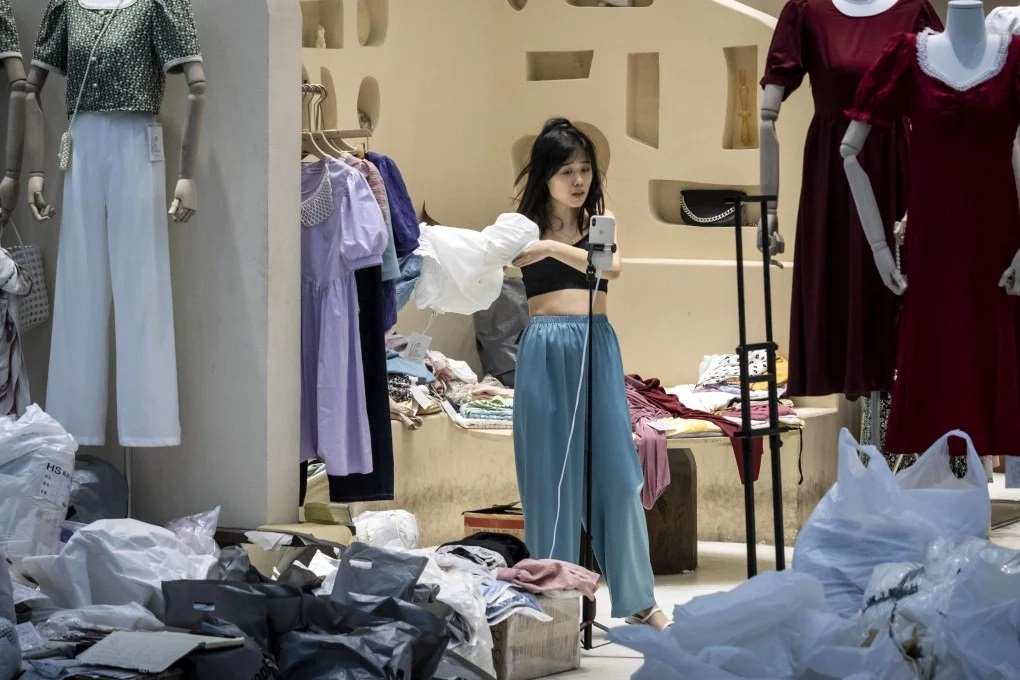
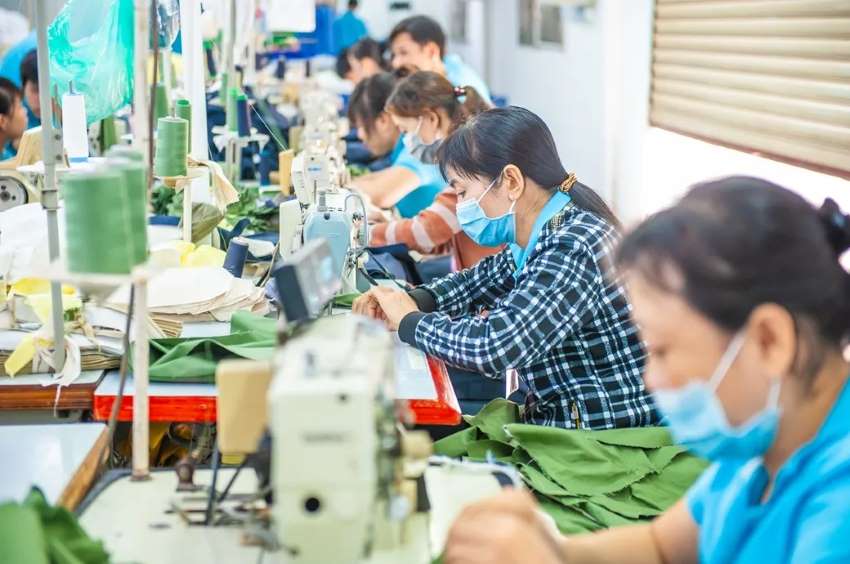
Demand for Australian wool in China has improved slightly. Overseas customers are waiting and reviewing again as caution prevails. The fake-fur season is considered over for now so processing trade must look to more normal regular items and lines of production. Gone are the traditional worsted suits and cheap V-neck sweaters that made up the corporate wardrobe for millennials entering the workforce. They are replaced by chinos (containing a high percentage of wool) and polos, tees and a multitude of knitted garments in various layers. High worth millennials are choosing a natural product like Merino while those with less worldly experience are buying polyester/nylon. Topmakers and traders are just looking to survive on a daily basis given the battering they have weathered with the recent downturn in prices.
Retailers are hoping that consumer confidence will not get waylaid in the lead up to Christmas. Spinners and knitters are looking at the topmakers and scouring parties and wondering how they can transfer some of their pain from previous high contract prices back to them. Unlike other fibers such as cashmere or silk, angora or mohair, it’s only wool that has so many different organisations and boards to oversee the production, packaging, testing, selling and shipment of the underlying raw material.

- 1
- 2
- 3
- 4
- 5
- 6
- 7
- 8
- 9
- 10
Status, Rewired: Health, AI and experience are displacing heritage luxury
The global luxury industry is not facing a demand fall it is confronting a redefinition of value. As bellwethers like... Read more
No More Easy Wins: Why global retailers are losing ground in China
China’s retail sector has entered a new phase, one defined not by aspiration, but by scrutiny. The long-standing advantage enjoyed... Read more
India’s 45°C economy is reshaping apparel retail and consumer spending
The intensifying heatwaves sweeping across the Indian subcontinent are no longer mere meteorological anomalies; they have become the primary engineers... Read more
FY26 Textile Scorecard: Integration, specialization are winning the margin battl…
As the curtains close on FY2025-26, India’s textile industry is revealing a sharp divide. On one side stand integrated and... Read more
Intertextile Shenzhen 2026: Pioneering the Future of Textile Innovation
As Shenzhen cements its status as China’s premier hub for manufacturing, artificial intelligence, and startup cultivation, Intertextile Shenzhen Apparel Fabrics... Read more
The Devil Wears Prada 2 reflects fashion’s power shift, where consumers replace …
" " The release of The Devil Wears Prada 2 has sparked a debate far bigger than a Hollywood sequel. What... Read more
The 30-minute problem reshaping the $63 bn leggings market
The global leggings makers are racing to solve one of the apparel industry’s most expensive hidden problems: discomfort that appears... Read more
Why the resale explosion is failing to slow apparel production
The global apparel industry is confronting an uncomfortable paradox. The explosive rise of the resale economy, once viewed as a... Read more
Can India’s textile sector convert FTAs into global dominance?
What began as a cautious China Plus One sourcing strategy for global apparel trade, has now evolved into a full-scale... Read more
No More Easy Wins: Why global retailers are losing ground in China
China’s retail sector has entered a new phase, one defined not by aspiration, but by scrutiny. The long-standing advantage enjoyed... Read more