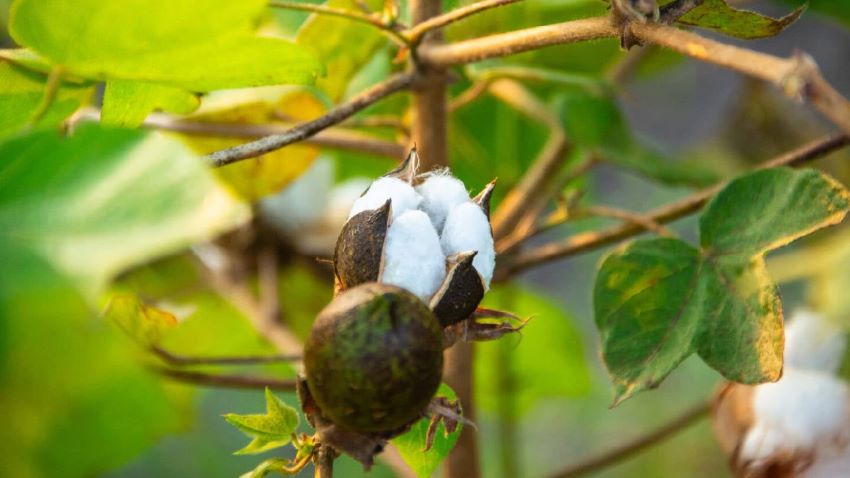
An attack of pink bollworms coupled with erratic rainfall, especially unseasonal rains, has had a serious adverse impact on cotton yields in Gujarat. With an estimated 25 to 30 per cent drop, cotton yield in the state is expected to reach the lowest level in the last 10 years.
Gujarat is estimated to produce 101 lakh bales of cotton in 2015-16. But there are fears that could tank to 90 lakh bales as arrivals in the markets continue to be low. Gujarat is India’s largest cotton producer. It is likely to witness a cotton yield of 621 kg per hectare, the lowest since 2004-05. Maharashtra is the second largest producer.
Spurious Bt cotton seeds have also contributed to lowering of yields. Saurashtra, one of the major cotton growing regions in the state, was badly hit by the invasion of pink bollworms. Cotton acreage in Saurashtra is around 18.5 lakh hectares, out Gujarat's total 27.58 lakh hectares under cotton.
There are warnings the pink bollworm menace will aggravate next year if necessary steps are not taken right away. Moist weather and heavy rainfall at the time of boll-opening and picking are detrimental to cotton as the plant becomes vulnerable to pests and diseases.

- 1
- 2
- 3
- 4
- 5
- 6
- 7
- 8
- 9
- 10
Beyond Blue Jeans: How brand identity is reshaping a $103 bn market
The global denim industry is entering a new phase of competition, one in which branding psychology is becoming as valuable... Read more
Beyond Tariffs: How a unified US apparel industry wants to rebuild regional manu…
In a rare show of consensus, some of the US' most influential apparel, footwear and textile organisations have come together... Read more
India-UK CETA: Tariff-free UK access puts India's textile sector on growth track
India's textile and apparel industry is ready for one of its biggest export opportunities in decades as the India-UK Comprehensive... Read more
AI tailoring gains momentum as custom suits transforms premium apparel retail
Technology is reshaping one of fashion's oldest categories menswear. AI, digital body scanning and automated manufacturing are replacing conventional tailoring... Read more
Can trade deals and manufacturing reforms deliver India's textile vision?
India's textile and apparel industry has entered one of its strongest revival phases after several difficult years marked by pandemic... Read more
Women’s wear power global apparel growth as big brands rework retail strategies
For years, the world's largest apparel companies built their businesses around men's denim, workwear and outdoor clothing. That strategy is... Read more
The End of Fibre Blends: Why retailers are moving toward 100% recyclable apparel
The apparel industry is entering a redesign phase as sustainability goals, regulatory pressures, and resource security unite around one central... Read more
Recycled polyester’s next growth phase will be driven by data, not fiber
For much of the last decade, recycled polyester was one of the easiest sustainability wins available to brands. Replacing virgin... Read more
Lefties becomes Inditex's new weapon against Primark and Shein
While much of the global apparel industry has focused on the rapid rise of digital-first retailers such as Shein and... Read more
Bangladesh’s apparel export model hits a breaking point as price wars reduce mar…
Bangladesh's apparel industry, long regarded as the world's manufacturing hub for affordable, high-volume garments, is facing one of its most... Read more