The intensifying heatwaves sweeping across the Indian subcontinent are no longer mere meteorological anomalies; they have become the primary engineers of the country’s seasonal retail strategy. With over 100 cities recording record-breaking temperatures frequently exceeding 45°C, the apparel industry is witnessing a forced evolution in fiber selection and fabric engineering. This increase in heat-stress consumption is leading to a reorganization of the textile value chain, as brands move away from traditional year-round heavy synthetic blends toward high-performance, breathable alternatives. Studies show the demand for summer-centric textiles has grown its retail window by nearly 20 per cent, as the cooling economy dictates the flow of inventory from spinning mills to storefronts.
GSM’s downward pressure
As thermal comfort becomes the non-negotiable metric for the Indian consumer, textile manufacturers are aggressively reducing the Grams per Square Meter (GSM) of their core fabric offerings. The current market shift favors ultra-lightweight constructions that facilitate maximum airflow without sacrificing opacity. This technical transition is particularly visible in the retail segment, where value fashion giants are swapping out standard 180 GSM cottons for 120-140 GSM variants.
This isn't just a stylistic preference but a commercial necessity to ensure product sell-through during extended heat cycles. Breathability is now the baseline for transaction, say sourcing heads. If a garment doesn't offer immediate thermal relief at the trial room stage, it remains on the rack, regardless of the price point. Recent industry findings suggest that for every 1-degree Celsius rise in average seasonal temperature, there is a corresponding 3 per cent increase in the sell-through of garments categorized under lightweight or ultra-breathable classifications.
Natural fiber renaissance and cellulose disruption
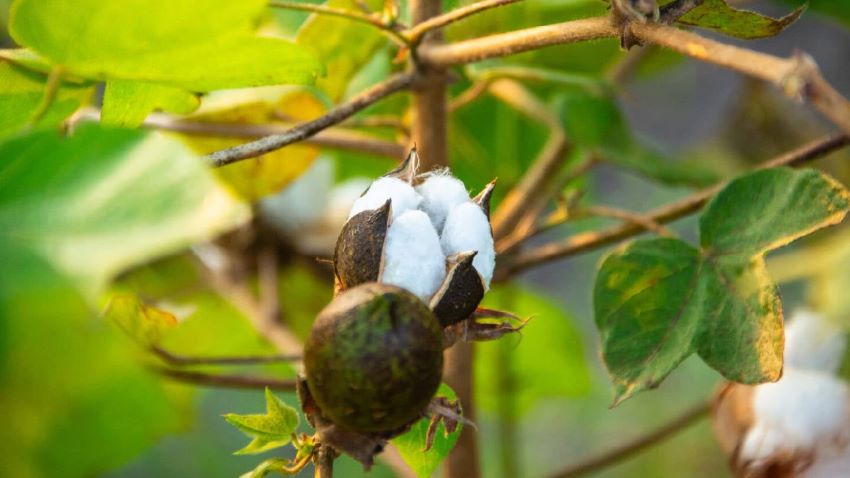
The premium on comfort is leading to a resurgence in natural staples like linen and high-grade cotton, while simultaneously accelerating the adoption of man-made cellulosic fibers (MMCF). Market data shows an increase in the consumption of Tencel, Modal, and Viscose, which offer superior moisture management compared to traditional polyester.
Table: India’s fabric market cooling index
|
Fiber property |
Moisture regain (%) |
Thermal comfort rating |
Domestic growth index |
|
Linen |
12.00% |
Excellent |
High (+15%) |
|
Lyocell (MMCF) |
13.00% |
High |
Rapid (+18%) |
|
Cotton |
8.50% |
Moderate-High |
Stable (+10%) |
|
Polyester |
0.40% |
Low |
Declining (Summer) |
Chemical processing units are reporting a 30 per cent rise in orders for moisture-wicking and cool-touch treatments that were previously reserved for high-end activewear. These technologies are now being democratized, appearing in everyday office wear and school uniforms. By treating traditional yarns with phase-change materials (PCMs), manufacturers are creating fabrics that actively manage skin temperature, providing a critical competitive edge in a market where the sun has become the most influential trendsetter.
Changing supply chain and color choices
While the demand for cooling textiles presents a massive opportunity, it brings several operational hurdles, particularly in raw material price volatility. The reliance on high-quality long-staple cotton and specialized cooling yarns puts pressure on margins, especially as energy costs for textile processing rise alongside the temperature. Also, the shift in color palettes, moving away from heat-absorbing dark tones to thermal-reflective pastels requires dye houses to rework their chemical inventories and wastewater management protocols.
Retailers are now forced to adopt more agile inventory models, as localized heat spikes can trigger sudden surges in demand for specific silhouettes like oversized linens and loose-knit essentials. Analytical reports indicate that inventory turnover for cool-palette apparel whites, soft blues, and mint greens is currently 1.5x faster than traditional dark navies and blacks during the March–June window.
A prominent regional retailer in North India serves as a primary example of this strategic realignment. By analyzing local weather forecasts alongside real-time sales data, the brand shifted 70 per cent of its mid-summer inventory to 100 per cent cotton and linen-blends two weeks ahead of the projected heatwave peak. By eliminating heavy polyester linings and opting for air-mesh pocketing in trousers, the brand saw a 25 per cent year-on-year increase in footfall during May. This tactical shift highlights a broader industry truth: in the new climate reality, the most successful fashion players will be those who treat meteorological data as the ultimate sourcing brief.