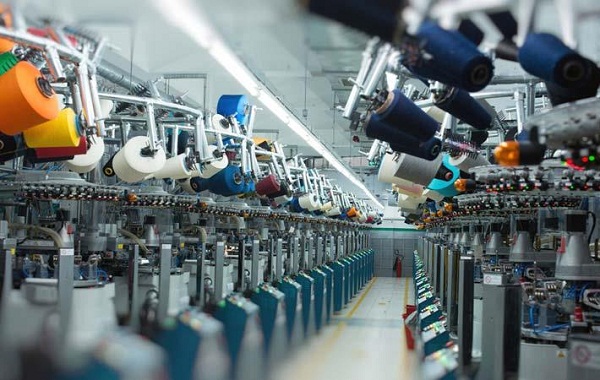
Over the years, Maharashtra has emerged as one of India’s major textiles powerhouse with 10.4 per cent of the country’s total textile and apparel production. As per an Outlook India report, the state accounts for 12 per cent of India’s total yarn production. It also holds India’s 17 per cent spindles capacity with around 1.66 million spindles in total.
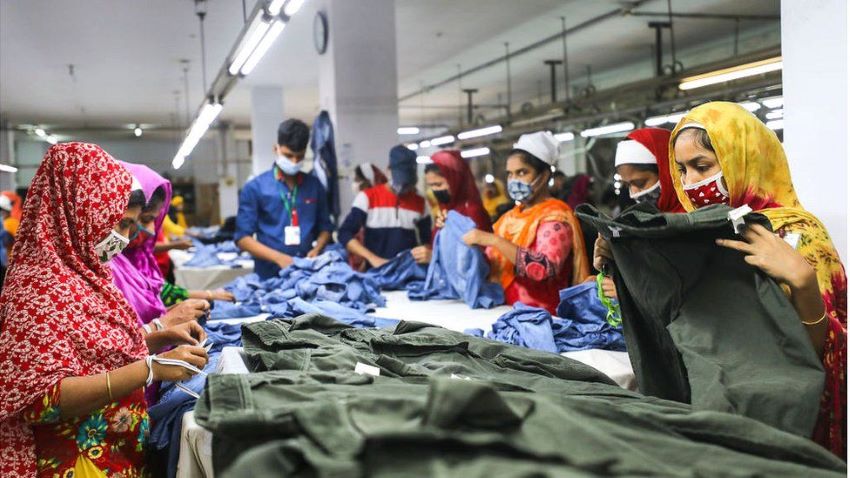
Easy availability of raw materials, skilled manpower and lower production costs has helped Maharashtra emerge a key stakeholder and growth driver of India’s textile industry. Besides having largest area under cotton acreage, the state also has the largest number of skilled workers in the country. Equipped with required infrastructure and skills, leading textile clusters in the state including Mumbai have emerged major export hubs. The state’s robust textile policies also enhance its climatic, demographic, and geographic advantages.
New policy to focus on sustainable textile production
Attracting investments worth Rs 20 crore, Maharashtra Textile Policy 2011-17 made the concept of fiber to fashion a reality. The policy helped generate 3 lakh new employment opportunities. The new textile policy 2018-23 has set a more ambitious target of creating employment for 10 lakh new workers in the next 5 years and attracting investments worth Rs 36,000 crore.
The aim is to strengthen India’s cotton, silk and wool production and also production of non-conventional yarns in the country. It will also promote skill development and research in the sector besides emphasizing on sustainable production techniques and green energy use. Another of the policy’s focus will be filling the gap between the theoretical and practical aspects of textile education by setting up a textile-focused university for innovation and research and developing projects in agricultural universities.
Capital subsidies for minorities
The new textile policy will also provide power tariffs and capital subsidies for minority categories. It will grant various benefits to women through programs dedicated to developing and supporting women entrepreneurs. The policy also makes a provision for setting up a Textile Development Fund to counteract hassles in funding. The fund will be collected from government equities, selling lands belonging to the textile department, and textile enterprises benefitting from government schemes and subsidies. The textile ministry will also form a vigilance and controlling committee for verifying textile projects to complement the scheme. All these measures are expected to make the state’s textile industry more comprehensive and inclusive and enable it compete globally.
New schemes to boost market position
Maharashtra has great capacity to manufacture fashion and garment products for the foreign markets. The state has set up several textile parks in Nagpur, Dhule, Ambernath and Amravati to boost production and encourage exports. The Amravati textile has emerged one of Maharashtra key textile clusters and a focal point for realization of the state's goals. The city boasts of 24 textile parks being developed by major units. The state government also plans to offer plug-and-play infrastructure in 4,000 acres across Amravati and Nagpur. The facilities will be granted under the Magnetic Maharashtra 2.0 Initiatives launched by the state. They will also include irrigation facilities and setting up cotton processing units in these areas.
For long, Maharashtra has served as a major incubator for India’s textile culture and industries. The state is now geared up to boost its position through the new schemes and policies introduced by the government. It aims to emerge as an ideal location for textile players by combing natural advantages with forward-looking regulatory support.