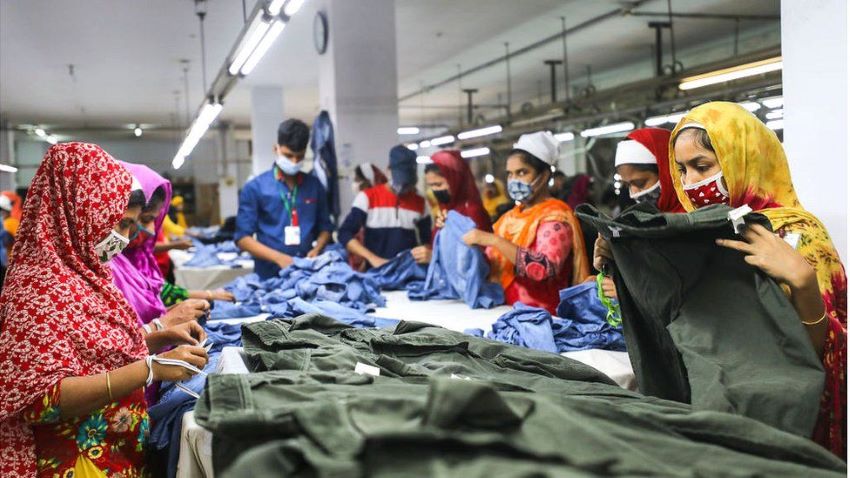
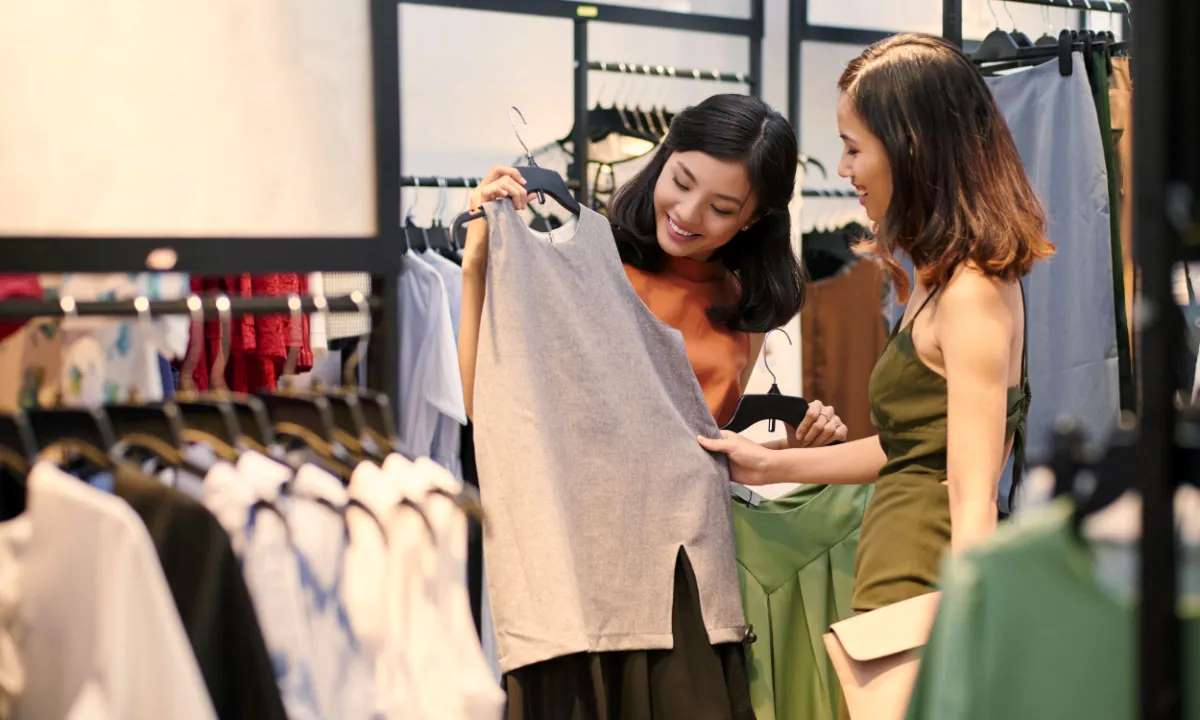
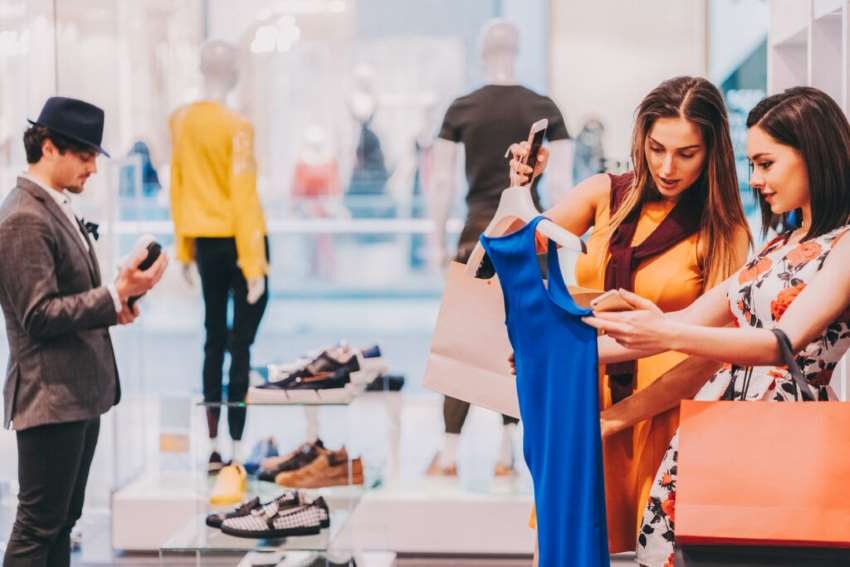
Nonactive casual clothing represents more than half of the US fashion industry’s sales. This category includes casual pants, polo shirts and blazers. It does not include active wear, outerwear, tailored apparel and underwear. Casual is becoming more specialized. Casual styles have embraced fabrics that formerly were the sole domain of active wear, such as antimicrobial and wicking fabrics. Other features in demand include stain-resistant and wrinkle-resistant clothes.
Fashion’s future depends on casual clothing. But today’s casual fashion is different from what was once referred to as sportswear in the American fashion industry. Along with casual, comfort is a major concern for consumers. The definition of everyday apparel has no clear boundaries. Specialty stores take up 29 per cent of the American casual wear business. Department stores make up 15 per cent of the market and off-price retailers make up 14 per cent. Growth in casual wear market is expected to come from off-price and manufacturer-owned/direct-to-consumer stores. In the 12 months ending May 2019, total US sales of sweats and active bottoms, including adults’ and children’s products, grew eight per cent and sleepwear sales increased two per cent. Sweats, swimwear, dresses and sleepwear are expected to drive fashion-industry growth.
- 1
- 2
- 3
- 4
- 5
- 6
- 7
- 8
- 9
- 10
The rise of localized luxury, MEA, North America, and India lead growth
The global luxury industry is no longer defined by relentless expansion. The ‘2025 Global Luxury Brandwatch Report’ highlights a sector... Read more
Hormuz blockade sends shockwaves through India’s textile chain as polyester cost…
What began as a geopolitical escalation in the Gulf has rapidly metastasized into a full-scale industrial disruption for India’s textile... Read more
India’s National Fibre Scheme decouples textiles from global supply risks
For decades the Indian dominated spinning, weaving, and garment exports while remaining paradoxically dependent on imported man-made fibres and specialty... Read more
From London to Tokyo, premiumization redefines retail and office markets
Global real estate landscape has changed. Gone are the cautious narratives of recovery that defined the post-pandemic years. Today, flight... Read more
Compliance drives India’s $176 bn textile shift
India’s textile economy is no longer selling fabric alone; it is selling proof. As compliance rules harden across export markets,... Read more
The second life economy gets a boost as resale outgrows traditional apparel reta…
For decades, resale existed in the margins of the apparel economy, thrift stores, peer-to-peer marketplaces, and charity bins quietly absorbing... Read more
Rising polyester costs shake India’s textile manufacturing hubs
India’s synthetic textile industry is confronting a sudden and destabilizing price shock that is reverberating across its vast manufacturing ecosystem.... Read more
Cotton markets hold firm as tariffs, higher supply reshape global fiber economic…
In a year marked by tariff escalations, geopolitical brinkmanship and a recalibration of global trade flows, the international cotton market... Read more
Beyond Cotton How Kapok could redefine sustainable insulation in textiles
In the lush, humid heart of Southeast Asian rainforests stands a giant, a silent sentinel of the forest canopy. Growing... Read more
Bharat Tex 2026: Redefining the global textile value chain
Union Minister of Textiles, Giriraj Singh, has officially unveiled Bharat Tex 2026, signaling a significant leap in India’s influence over... Read more