

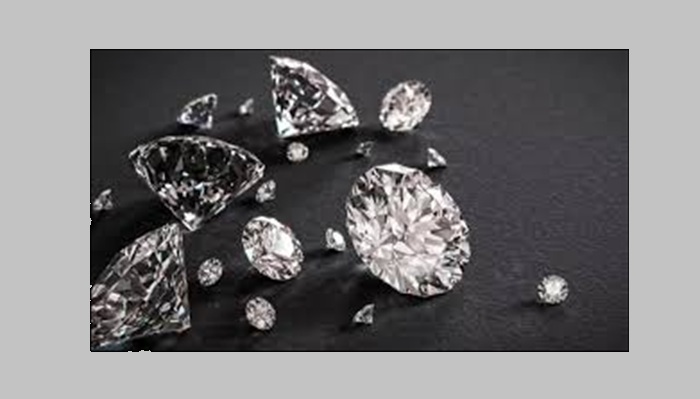
The sound of Surat’s diamond polishing wheels, once the city’s heartbeat, is fading. In its place, the relentless pulse of high-speed water jet looms is taking over. Capital, labor, and the high-octane temperament of diamond trading are migrating into textiles, redefining an industry that has long been steady, conservative, and relationship-driven.
This is more than a sectoral shift, it is a strategic takeover. Diamond merchants, cornered by global sanctions, US tariff hikes, and the rise of lab-grown stones, are bringing their deep pockets, risk appetite, and aggressive operational style into textiles. Traditional cloth merchants are confronting a new breed of competitor: fast-moving, volume-focused, and willing to undercut margins to seize market share.
What triggered diamond in decline trend
The numbers are stark. Surat’s polished diamond exports have fallen from $23 billion in 2022 to an estimated $12 billion in early 2026. US tariffs of 50 per cent on Indian imports, enforced in August 2025, instantly froze a third of the market. The workforce shrank from 1.5 million to 700,000, as skilled polishers moved to textile units.
Idle capital and available labor naturally found an outlet in textiles, a sector producing 40 per cent of India’s man-made fabric (MMF). Surat, long fragmented among family-owned enterprises, became a playground for deep-pocketed entrants seeking scale and rapid returns.
A side-by-side comparison underscores the disruption. In 2022, diamonds employed 1.5 million workers, dominated 90 per centof global polishing, and earned margins of 8-12 per cent. By early 2026, export revenue had fallen to $12 billion, margins on lab-grown stones dropped to 2-3 per cent, and the workforce was halved.
In contrast, Surat’s textile hub produces 30 million meters of fabric daily, employs over 1.2 million people, and delivers 5-15 per cent margins on value-added products, with an annual turnover of $10.55 billion. The sector’s scale, combined with liquidity from diamond capital, created fertile ground for high-speed, volume-driven strategies.
Table: The economic shift (2022 vs. 2026)
|
Metric |
Diamond industry (2022) |
Diamond industry (2026 Est.) |
Textile industry (Surat 2026) |
|
Annual Exports |
$23 bn |
$12 bn |
$10.55 bn (Total Hub) |
|
Workforce |
1.5 mn |
700,000 |
1.2 mn+ (Growing) |
|
Profit Margins |
8-12% |
2-3% (Lab-Grown) |
5-15% (Value Added) |
|
Daily Production |
90% Global Polishing |
55% Global Market Share |
30M Meters Fabric/Day |
The table illustrates the stark contrast: shrinking diamond margins versus resilient textile output. It also signals the behavioral difference, as diamond trading thrives on speed and high-risk maneuvers, textiles relied on stable, margin-driven, and relationship-focused operations.
The diamond temperament hits textiles
Diamond capital has brought a disruptive DNA: volume-led, aggressive, and risk-tolerant. Legacy textile players, focused on sustainable margins, seasonal production, and 30-60 day credit cycles, now face a new market logic. Diamond entrants churn out product in weeks, offer credit of 120 days or more, and often sell at cost to corner market share. The operational contrast is stark:
Table:
|
Feature |
Traditional textile player |
New diamond entrant |
|
Strategy |
Margin-focused; Long-term relationships. |
Volume-focused; Aggressive undercutting. |
|
Product Cycle |
Seasonal (3-6 months). |
Ultra-fast (Weeks); High churn. |
|
Credit Terms |
30-60 days. |
Extended to 120+ days to capture market. |
|
Risk Appetite |
Conservative; Sustainable growth. |
High; Ready to sell at "undercost" for dominance. |
The impact is immediate: price wars, shortened trend cycles, and credit stress. Smaller weavers struggle to meet payroll, pay for yarn, or run machinery as deep-pocketed entrants reshape the value chain.
Examples of gems to garments shift
S G Exports, a former diamond house, reoriented to textiles in late 2024. Applying a diamond mindset of high-speed, high-precision execution, it launched 50 new sari designs weekly. Selling below cost, it captured 15 per cent of Surat’s chiffon market within eight months, forcing three legacy firms to close or sell their assets.
In December 2025, a diamond consortium invested Rs 1,500 crore in integrated water-jet looms and processing facilities. This vertical integration, from yarn texturizing to garmenting consolidated nearly 1 per cent of Surat’s daily fabric capacity under a single entity, enhancing efficiency and reinforcing market dominance.
Socio-economic tremors
The shift is not just financial. Diamond polishers now operate looms producing fabric worth Rs 50 per meter, creating psychological de-skilling and high turnover. Broker-driven, informal transaction practices have entered textiles, increasing risk and challenging GST-compliant operations.
Indeed Surat’s textile sector is at crossroads. Diamond capital has modernized infrastructure, with machinery investments surpassing Rs 500 crore at expos like SITEX 2025. Yet unchecked price wars, excessive credit cycles, and rapid product churn threaten social and financial stability. The next phase will define Surat’s trajectory. If the diamond mindset can shifts from aggressive cost-cutting to value-driven innovation, technical textiles, global branding, and sustainable practices Surat could cement itself as the world’s preeminent textile hub.











