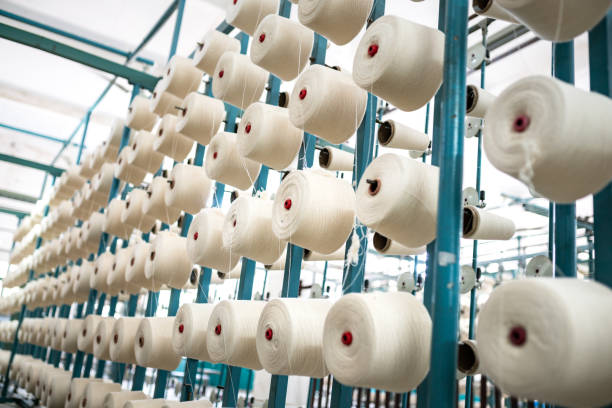
The University of Manchester has developed a simple and cost-effective method to manufacture graphene-based wearable electronic textiles on an industrial scale. This could easily be scaled for many real-life applications, such as sportswear, military gear, and medical clothing.
Graphene is predicted to be one of the most prominent materials in wearable e-textiles. The new technique could allow graphene e-textiles to be manufactured at commercial production rates of 150 meters per minute. In the new method, the researchers have reversed the previous process of coating textiles with graphene-based materials. Conventionally, the textiles are first treated with graphene oxide, and then the graphene oxide is reduced to its functional form of reduced graphene oxide. Instead, the researchers first reduced the graphene oxide in solution and then coated the textiles with the reduced form.
By making coating the ultimate step, it becomes possible to use a coating technique termed padding, which is currently the most commonly used method of applying functional finishes to textiles in the textile industry. For instance, water-repellent and wrinkle-free clothing are often made by padding.
E-textiles made by a laboratory-scale pad-dry unit, exhibit excellent electrical and mechanical characteristics. The reduced graphene oxide forms a uniform coating around the individual cotton fibers, which results in good electric conductivity, tensile strength, breathability, flexibility, and overall comfort of the fabric.
- 1
- 2
- 3
- 4
- 5
- 6
- 7
- 8
- 9
- 10
The €11 bn deadlock, can Europe’s textile recycling catch up?
Europe is at a tipping point. Fast fashion consumption, led by rising incomes and a growing global middle class, has... Read more
From field to fiber, Bharat CottonNet is closing India’s cotton value gap
India’s cotton economy is entering a decisive phase of reform with the rollout of Bharat CottonNet 2026 along with the... Read more
US apparel imports drop 13.5% as Vietnam gains and China’s grip breaks
The US apparel sourcing market has entered 2026 with a sharp demand decline but an equally important shift in supplier... Read more
H&M finds growth below revenue line as margin discipline pays off
H&M Group’s latest quarter signals a decisive shift in global fast fashion: scale is no longer the primary reason for... Read more
As Europe cuts orders, India sees a rare export window post-FTA
The sharp dip in EU apparel imports is not, at first glance, the kind of headline exporters celebrate. January’s 15.48... Read more
The Death of the "Stockpile" Model: Inside the Digital Textile disrupt…
For decades, the global textile industry has been a game of high-stakes gambling: manufacture thousands of identical garments, ship them... Read more
Fuel crisis, rising costs the geopolitical shockwave hitting Indian textiles
The hum of textile machinery in Panipat has gone dead. Over 400 dyeing units have put their shutters, not because... Read more
Price wars, fast fashion, diamond money leads to Surat’s industrial shake-up
The sound of Surat’s diamond polishing wheels, once the city’s heartbeat, is fading. In its place, the relentless pulse of... Read more
India’s textile market nears Rs 15 lakh cr as domestic demand rewrites growth
India’s textile and apparel economy is no longer being driven merely by population growth or festive consumption cycles. It is... Read more
China Discounts, Bangladesh Bleeds: Inside Europe’s new apparel sourcing crisis
Europe’s fashion imports opened 2026 with a hard jolt. Fresh Eurostat-linked trade data for January shows the European Union’s apparel... Read more