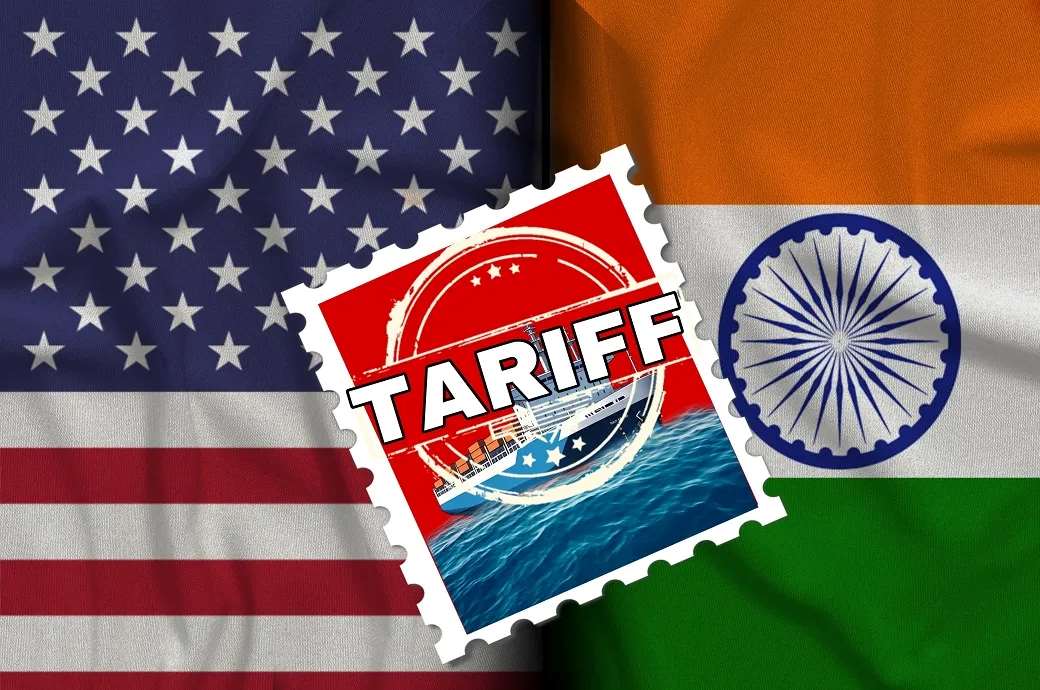
India’s RMG sector is demonstrating remarkable structural resilience, recording a 2.36 per cent growth to reach $11.58 billion during the April-December 2025 period. This modest uptick is a significant achievement given the ‘tariff shock’ of September 2025, which saw US-bound shipments plunge by 10.45 per cent following aggressive duty hikes. However, the strategic implementation of the India-UAE CEPA and the landmark ratification of the India-EU Free Trade Agreement in January 2026 have provided a critical safety valve.
Exports to the UAE increased by 9.5 per cent, while shipments to Spain and Poland grew by 7.9 per cent and 19.3 per cent respectively. Industry data suggests, this geographical pivot is effectively diluting the US market’s historical dominance, which has contracted to approximately 32 per cent of India’s total apparel export basket. .
Fiscal recovery and margin stabilization for FY2027.
Despite a 30 per cent rise in operational costs linked to Red Sea logistical disruptions, the sector’s outlook was revised from ‘Negative’ to ‘Stable’ in February 2026. This optimism is fueled by a downward reset in US tariffs from peak levels of 50 per cent to a more manageable 10-18 per cent following bilateral negotiations. .
The industry is moving from a survivalist discount model to a value-added growth phase, notes a report by ICRA, predicting an 8-11 per cent revenue rise for FY2027. Exporters are now leveraging ‘blended finance’ to upgrade to sustainable manufacturing standards, a prerequisite for the EU’s upcoming Digital Product Passport mandates. This transition is expected to improve operating margins by 200 basis points, positioning Indian Tier-I suppliers as the preferred ‘China+1’ alternative for global retailers like H&M and Adidas. .
India’s global apparel export engine.
The Indian apparel industry is a top-tier global supplier specializing in RMG, cotton textiles, and high-value ethnic wear. With key markets in the US, EU, and UAE, the sector is targeting $55 billion in exports by 2031. Growth is currently driven by Free Trade Agreements and aggressive integration of sustainable production technologies.