Bangladesh, the apparel manufacturing hub, noted a wave of panic when hundreds of garment workers fall ill. Around 18 factories were shut down after 30,000 workers left in the middle of their shifts as some of their fellow workers lost consciousness due to the soaring temperature in the country.
The workers were then rushed to hospital where they were given saline and first aid and were released within an hour.
The workers were attacked by a disease called hysteria conversion reaction. Laborers were malnourished, while a lack of rest owing to rising temperatures and acute power cuts left them further weakened, succumbing to heat waves.
The temperature in Dhaka rose to 36 degrees celsius, but taking humidity into account it would have felt like 51 degrees celsius.
With more than 4,500 garment factories in the country, many of them lack basic ventilation and air coolers.
Accord and Alliance have so far severed business relations with 217 Bangladeshi readymade garment factories on grounds of unsafe working conditions.
Alliance is a coalition of North American retailers. Accord is a grouping of EU retailers.
These groups are interested in structural, electrical and fire safety initiatives at the factories from where they procure products. They have conducted safety inspections at more than 2,600 factories in Bangladesh following the Rana Plaza building collapse in April 2013.

- 1
- 2
- 3
- 4
- 5
- 6
- 7
- 8
- 9
- 10
From cotton to MMF cost equation is rewriting global textile trade
The global textile and apparel trade has grown from $560 billion in 2006 to $914 billion in 2025, reveals the... Read more
Polyethylene stretch yarn challenges elastane’s hold on activewear
The global activewear, denim and intimate apparel markets have built a substantial business around stretch. But the same fibre combinations... Read more
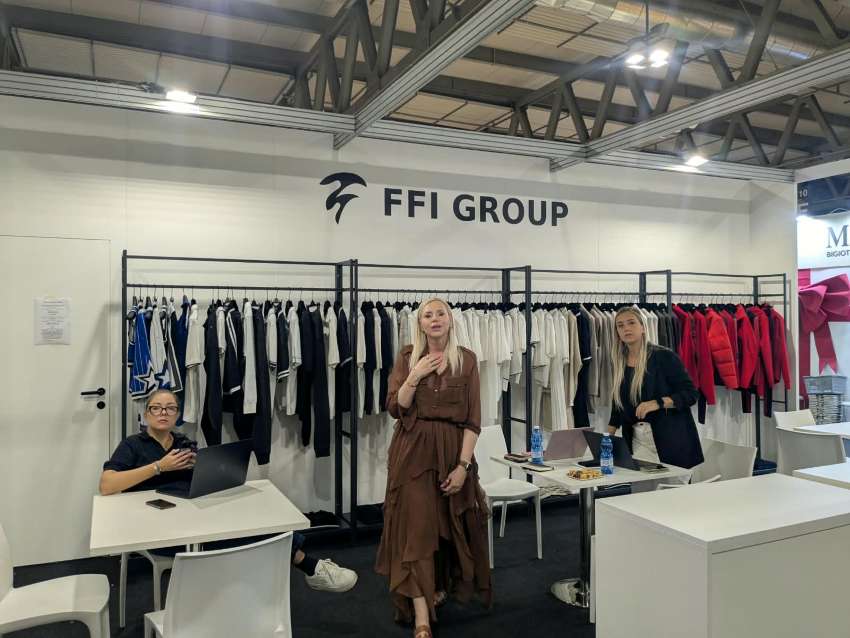
Automation Meets Italian Design: FFI Srl unveils ‘Next-Gen Robotics’ to help bra…
At the recently concluded autumn edition of Ready to Show inside Hall 10 at Fiera Milano-Rho—staged alongside the Milano Fashion... Read more
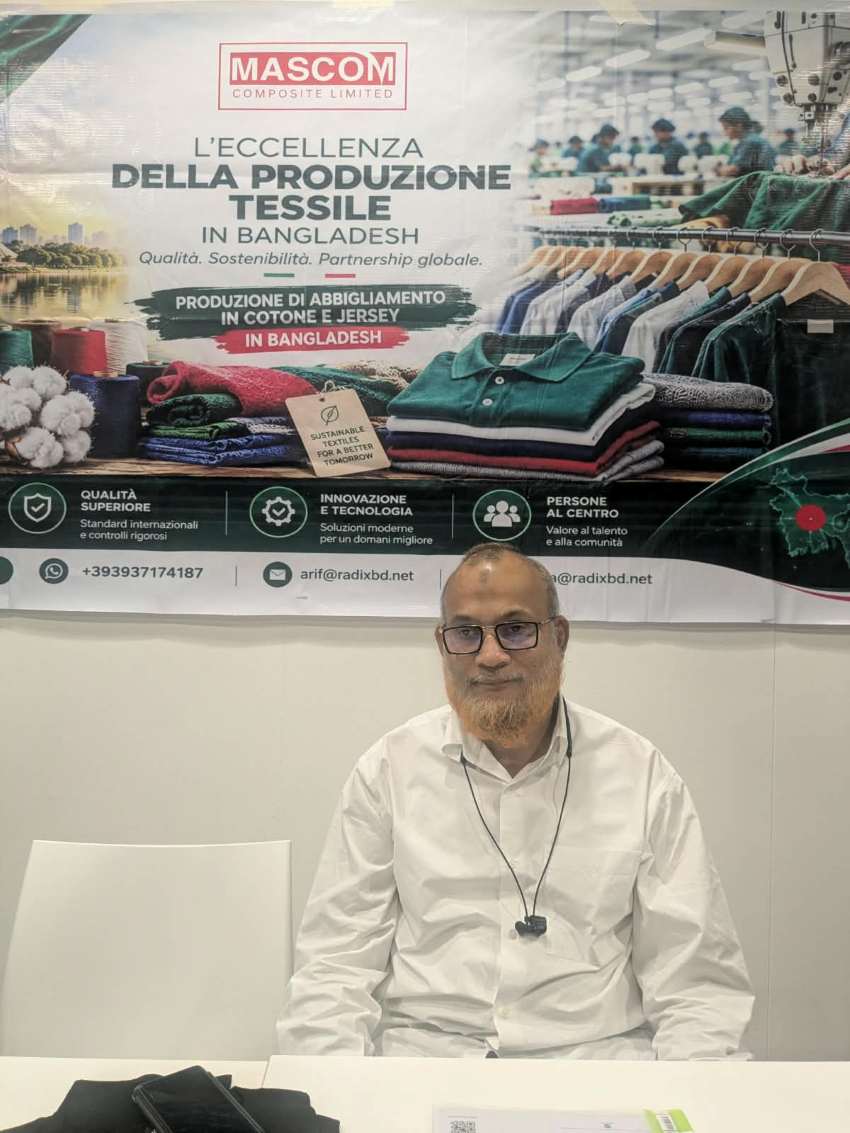
From Dhaka to Milan: Mascom Composite backs Southern Europe’s sports and lifesty…
While the trade floor of Ready to Show Milano inside Hall 10 at Fiera Milano-Rho placed a heavy spotlight on... Read more
How surging silver prices are reshaping ‘Mid-Tier’ fashion jewellery
Escalating global bullion volatility and raw material pricing pressures are forcing a fundamental reassessment across the mid-tier fashion jewellery trade.... Read more
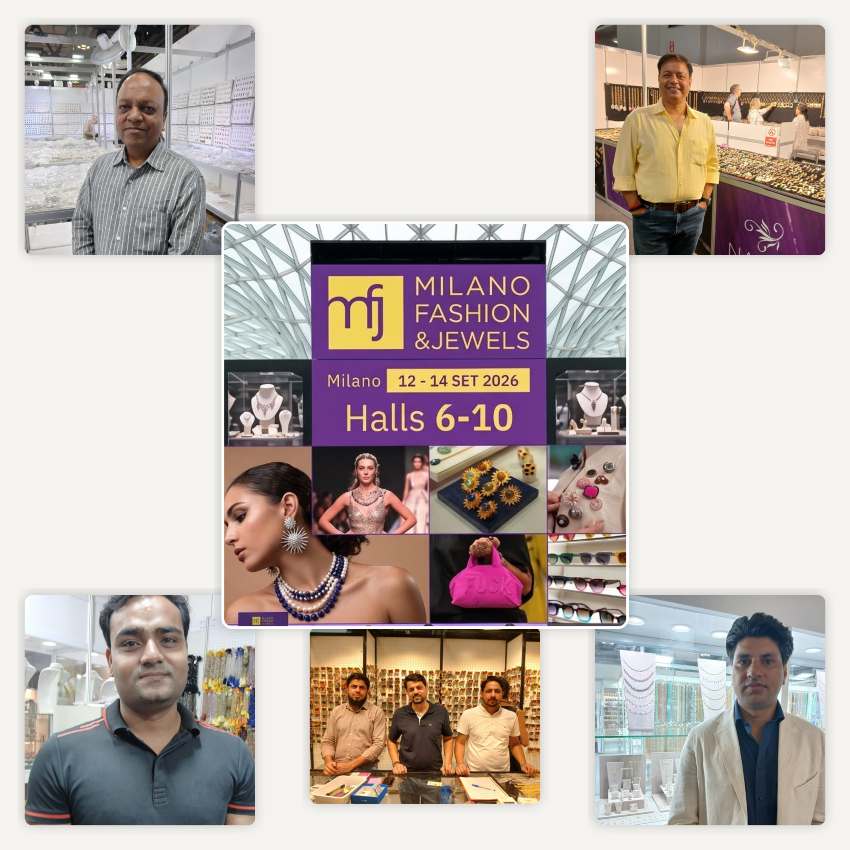
Milano Fashion & Jewels: How ‘Re-Engineered’ heritage crafts are driving hig…
A counter-movement against industrial uniformity is reshaping European bijouterie, transforming authentic craftsmanship into a powerful lever for high-margin boutique growth.... Read more
The "Total Look" Retail Revolution: The integration of jewellery, acce…
The conventional boundaries separating fashion jewellery, ready-to-wear and leather goods, have collapsed on the international retail floor. At the September... Read more
Why Rules of Origin could limit India’s FTA gains
India’s growing network of trade agreements promises lower tariffs and wider market access for its textile and apparel exporters. But... Read more
India-New Zealand FTA opens tariff-free route for textile exporters
The India-New Zealand Free Trade Agreement (FTA), which comes into force on October 20, 2026, creates a new tariff-free corridor... Read more
Virgin polyester drives global fibre output to record 139 mn tonnes
Global textile fibre production reached a record 139 million tonnes in 2025, up 5.3 per cent from 132 million tonnes... Read more