Bangladesh has got a mobile testing laboratory for waste water and sludge generated by effluent treatment plants of readymade garment factories. The laboratory is equipped with sampling and measuring instruments and accessories and offers on-the-spot testing and sampling services for washing, dyeing and finishing plants in the readymade garment sector.
With the help of this testing van, waste water can be controlled, thus providing a scientific basis to further improve water quality. There are small garment factories in Bangladesh which might have effluent treatment plants in operation, but may not have the instruments to constantly control the treated water. This mobile testing service can specifically serve smaller and medium-sized factories so that they can ensure their waste water does not pollute the environment.
Thus the mobile laboratory is one step toward a more sustainable garment industry in Bangladesh, from which businesses, environment and people can benefit. The lab has a technician and a waste water expert team and will enable clients to take advantage of quality services at an affordable price. The testing facility provides on-site sampling, testing, calibration of factory meters, and monitoring of environmental parameters.
This international standard service is available to all textile factories in Bangladesh.

- 1
- 2
- 3
- 4
- 5
- 6
- 7
- 8
- 9
- 10
Global fashion bets big on India as consumer confidence leads world
Global fashion retailers are reassessing growth priorities as India moves away from the weaker consumer scenario prevailing across several mature... Read more
Turkiye’s textile crisis opens new frontiers for Egypt and South Asia
The suspension of production at Orta Anadolu’s spinning and weaving complex in Kayseri in mid-September, followed by its scheduled permanent... Read more
Europe cuts apparel volumes and prices, testing South Asian suppliers
European apparel sourcing entered 2026 under simultaneous volume and price pressure, forcing suppliers to absorb a decline that is reshaping... Read more
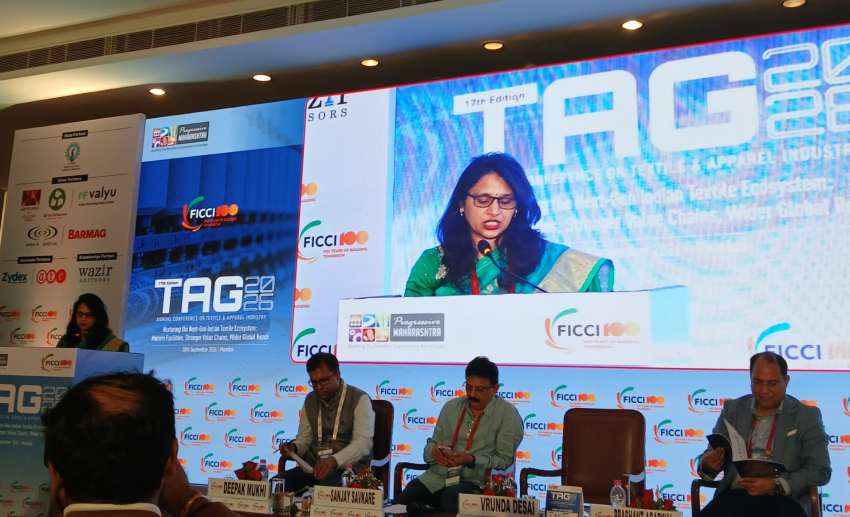
FICCI-TAG 2026: Mandatory reporting & Textile ID rolled out; Non-Compliance …
In a stern regulatory announcement aimed at creating a robust statistical backbone for India's textile sector, Textile Commissioner Vrunda Manohar... Read more
India’s apparel exporters face a new US tariff risk as margins shrink
The enactment of the Lindsey O. Graham sanctioning Russia and Iran Act of 2026 in Washington has introduced a fresh... Read more
Cellulosics challenge polyester dominance in global fibre market
The global textile raw-materials market has entered a phase where plant-based and regenerated cellulosic fibres have gain ground against fossil-fuel-derived... Read more
From cotton to MMF cost equation is rewriting global textile trade
The global textile and apparel trade has grown from $560 billion in 2006 to $914 billion in 2025, reveals the... Read more
Polyethylene stretch yarn challenges elastane’s hold on activewear
The global activewear, denim and intimate apparel markets have built a substantial business around stretch. But the same fibre combinations... Read more
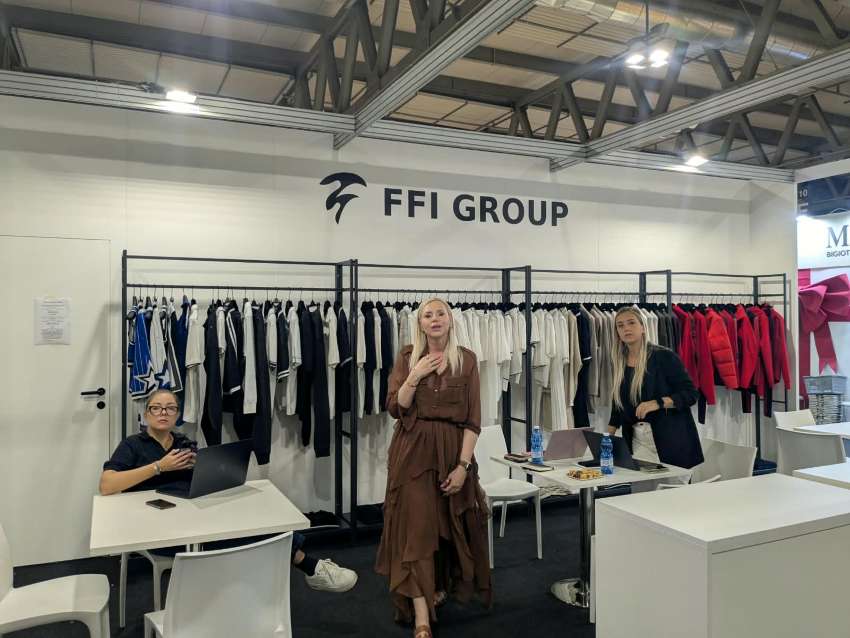
Automation Meets Italian Design: FFI Srl unveils ‘Next-Gen Robotics’ to help bra…
At the recently concluded autumn edition of Ready to Show inside Hall 10 at Fiera Milano-Rho—staged alongside the Milano Fashion... Read more
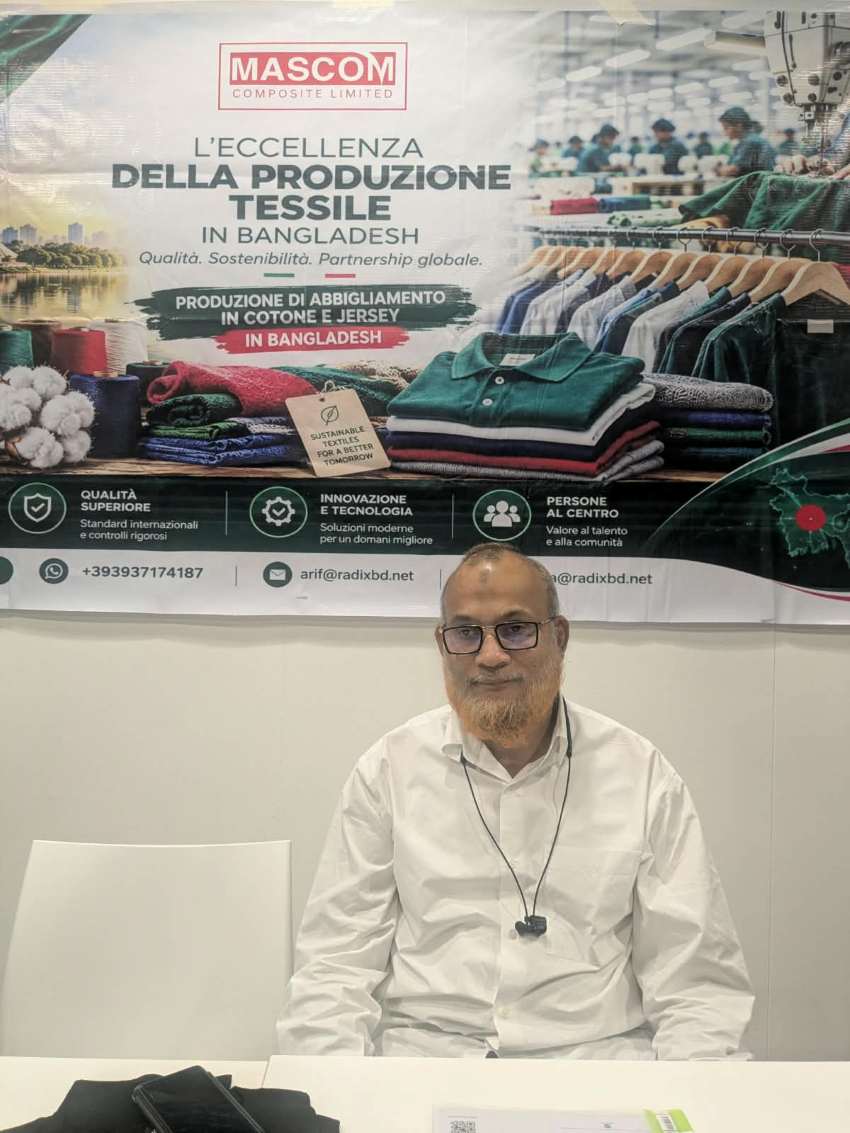
From Dhaka to Milan: Mascom Composite backs Southern Europe’s sports and lifesty…
While the trade floor of Ready to Show Milano inside Hall 10 at Fiera Milano-Rho placed a heavy spotlight on... Read more