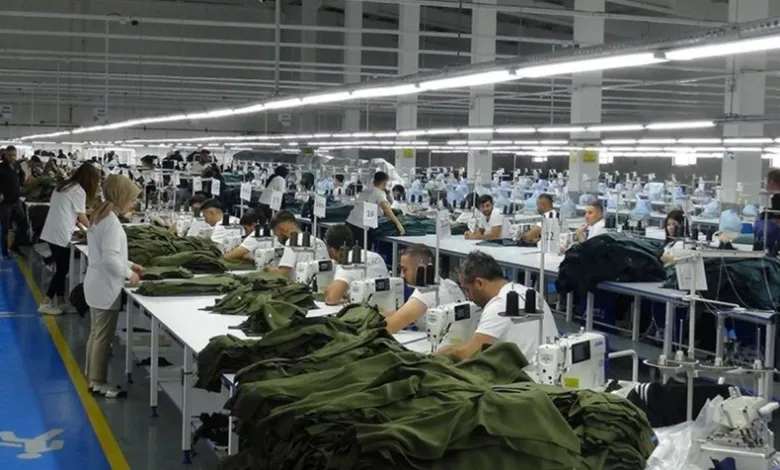
Bangladesh’s readymade garment factories are getting environment-friendly. The aim is to create a brand image, improve productivity, reduce health and safety hazards at the workplace and the cost of doing business. The objective of the readymade garment sector is to achieve internationally recognised standards of working conditions in garment factories.
Since Canada is one of the global leaders in green industries, Bangladesh may use the Canadian experience to transform its enterprises. CSR activities make a company innovative and competitive. Slips and trips, falls from heights, back pain, muscular skeletal disorders, occupational asthma, hearing loss, fire, stress and fatigue are the main symptoms of ill-health and accidents at work.
Eco-friendly units help reduce the cost of doing business as they use energy-efficient machinery, consume less electricity and water and increase productivity. Buyers also prefer an environment-friendly factory while placing orders as, among others, it offers comfortable working conditions for workers.
Since the industry in Bangladesh has a vision of touching $50 billion in exports by 2021, a green approach can help the industry achieve the target. Bangladesh has made significant progress in the readymade garment sector over the past two years and major reforms have been undertaken to improve safety, security and labor rights.

- 1
- 2
- 3
- 4
- 5
- 6
- 7
- 8
- 9
- 10
Global fashion bets big on India as consumer confidence leads world
Global fashion retailers are reassessing growth priorities as India moves away from the weaker consumer scenario prevailing across several mature... Read more
Turkiye’s textile crisis opens new frontiers for Egypt and South Asia
The suspension of production at Orta Anadolu’s spinning and weaving complex in Kayseri in mid-September, followed by its scheduled permanent... Read more
Europe cuts apparel volumes and prices, testing South Asian suppliers
European apparel sourcing entered 2026 under simultaneous volume and price pressure, forcing suppliers to absorb a decline that is reshaping... Read more
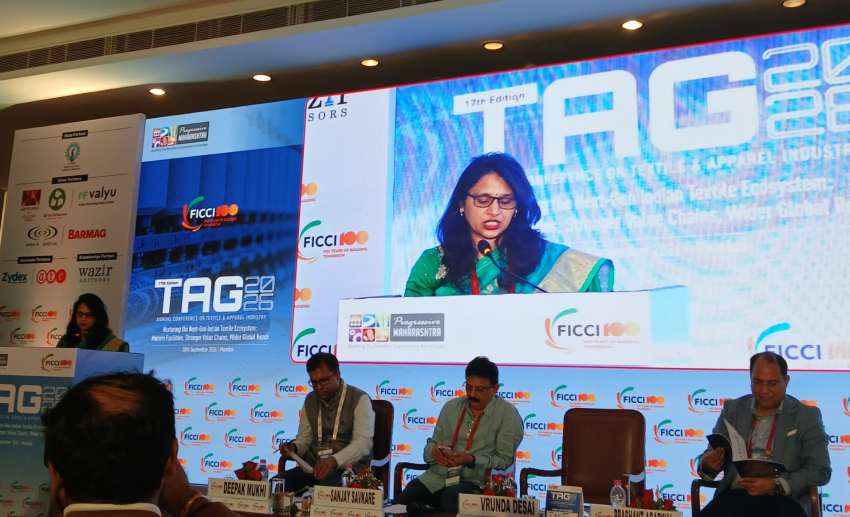
FICCI-TAG 2026: Mandatory reporting & Textile ID rolled out; Non-Compliance …
In a stern regulatory announcement aimed at creating a robust statistical backbone for India's textile sector, Textile Commissioner Vrunda Manohar... Read more
India’s apparel exporters face a new US tariff risk as margins shrink
The enactment of the Lindsey O. Graham sanctioning Russia and Iran Act of 2026 in Washington has introduced a fresh... Read more
Cellulosics challenge polyester dominance in global fibre market
The global textile raw-materials market has entered a phase where plant-based and regenerated cellulosic fibres have gain ground against fossil-fuel-derived... Read more
From cotton to MMF cost equation is rewriting global textile trade
The global textile and apparel trade has grown from $560 billion in 2006 to $914 billion in 2025, reveals the... Read more
Polyethylene stretch yarn challenges elastane’s hold on activewear
The global activewear, denim and intimate apparel markets have built a substantial business around stretch. But the same fibre combinations... Read more
Automation Meets Italian Design: FFI Srl unveils ‘Next-Gen Robotics’ to help bra…
At the recently concluded autumn edition of Ready to Show inside Hall 10 at Fiera Milano-Rho—staged alongside the Milano Fashion... Read more
From Dhaka to Milan: Mascom Composite backs Southern Europe’s sports and lifesty…
While the trade floor of Ready to Show Milano inside Hall 10 at Fiera Milano-Rho placed a heavy spotlight on... Read more