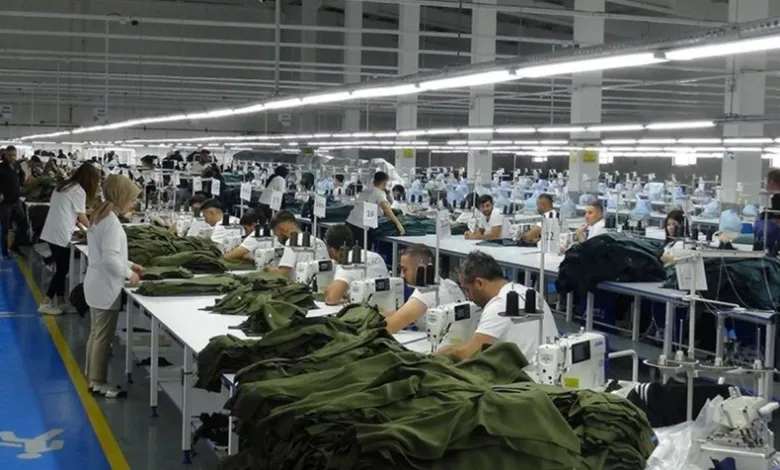
As per a World Bank report, since Bangladesh lags behind Vietnam, Cambodia and Indonesia in competitiveness, a rise in Chinese apparel prices would offer more benefits to the Southeast Asian countries. The report said that a 10 per cent increase in Chinese apparel prices would raise the Southeast Asian countries’ export to the US by 37-51 per cent, while export of South Asian countries would grow by 13-25 per cent (depending on the country) due to barriers to importing manmade fiber and poor exporting logistics.
The report titled ‘Stitches to Riches? Apparel Employment, Trade and Economic Development in South Asia’ shows that the rank of Vietnam and Cambodia in terms of quality, lead time and social compliance are higher than the South Asian countries like Bangladesh and India. As per the report a 10 per cent increase in Chinese apparel prices in the US market would increase employment in Bangladesh by 4.22 per cent in the sector but for the EU market, apparel employment would drop by 0.74 percent for males and 0.77 percent for females.
Even though the wage structure in Bangladesh is the lowest, the worker’s productivity in Vietnam, Cambodia and Indonesian is higher than Bangladesh and India, the report said. The WB said Bangladesh has steadily increased its share of global apparel trade above the world average and greater than China, but lower than that of the Southeast Asian countries.

- 1
- 2
- 3
- 4
- 5
- 6
- 7
- 8
- 9
- 10
Global fashion bets big on India as consumer confidence leads world
Global fashion retailers are reassessing growth priorities as India moves away from the weaker consumer scenario prevailing across several mature... Read more
Turkiye’s textile crisis opens new frontiers for Egypt and South Asia
The suspension of production at Orta Anadolu’s spinning and weaving complex in Kayseri in mid-September, followed by its scheduled permanent... Read more
Europe cuts apparel volumes and prices, testing South Asian suppliers
European apparel sourcing entered 2026 under simultaneous volume and price pressure, forcing suppliers to absorb a decline that is reshaping... Read more
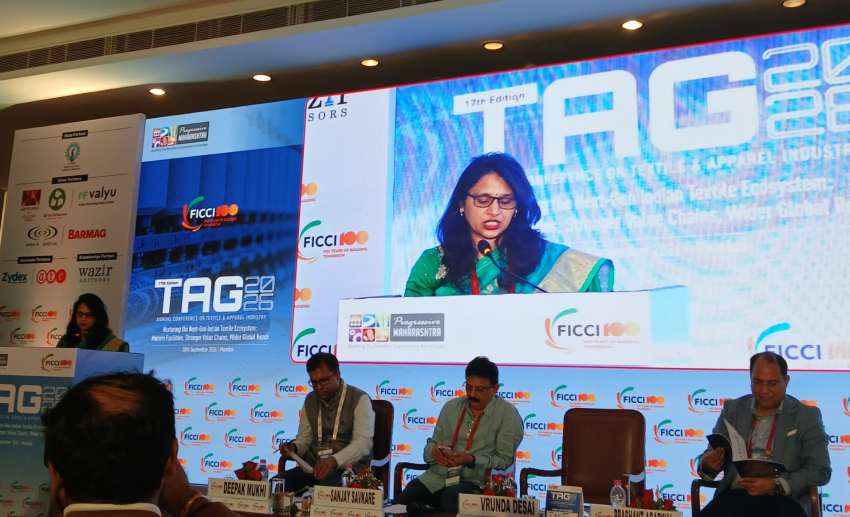
FICCI-TAG 2026: Mandatory reporting & Textile ID rolled out; Non-Compliance …
In a stern regulatory announcement aimed at creating a robust statistical backbone for India's textile sector, Textile Commissioner Vrunda Manohar... Read more
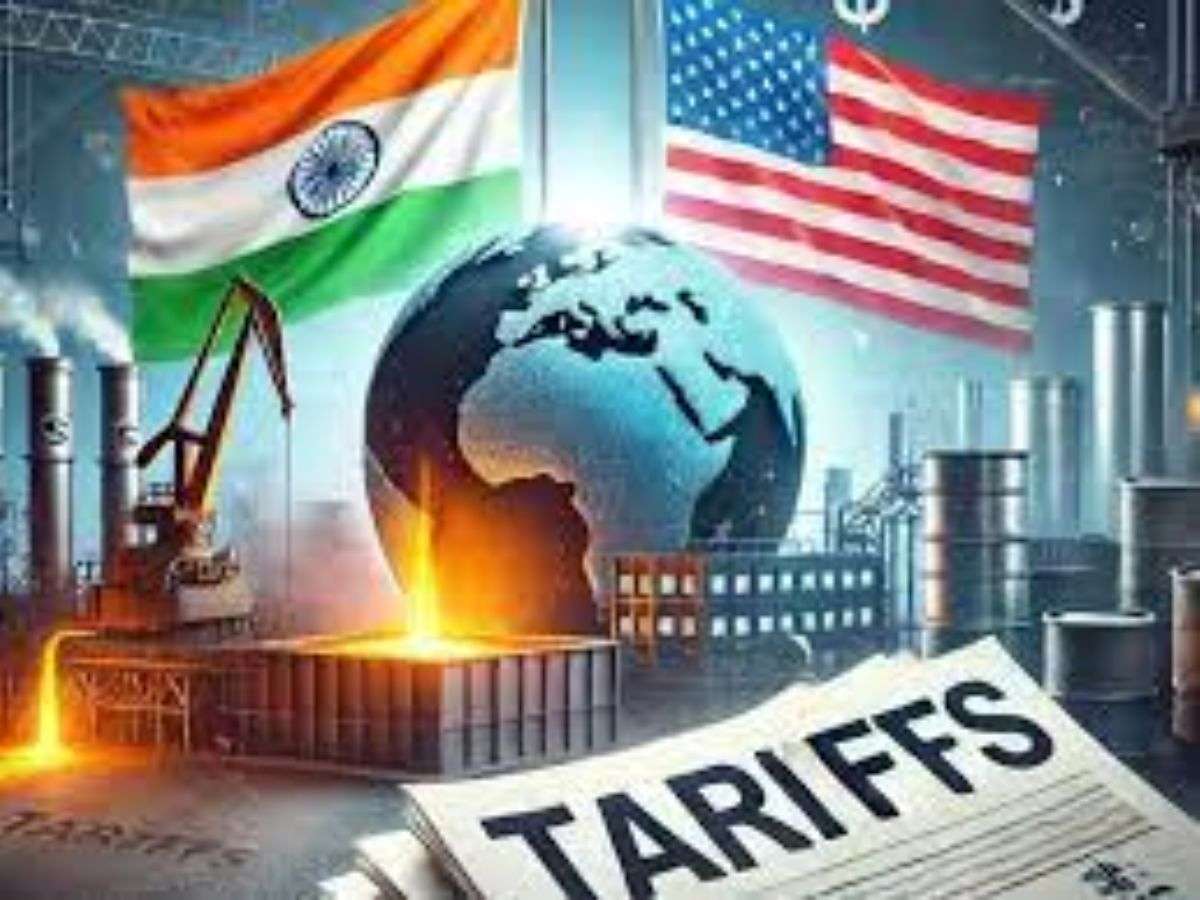
India’s apparel exporters face a new US tariff risk as margins shrink
The enactment of the Lindsey O. Graham sanctioning Russia and Iran Act of 2026 in Washington has introduced a fresh... Read more
Cellulosics challenge polyester dominance in global fibre market
The global textile raw-materials market has entered a phase where plant-based and regenerated cellulosic fibres have gain ground against fossil-fuel-derived... Read more
From cotton to MMF cost equation is rewriting global textile trade
The global textile and apparel trade has grown from $560 billion in 2006 to $914 billion in 2025, reveals the... Read more
Polyethylene stretch yarn challenges elastane’s hold on activewear
The global activewear, denim and intimate apparel markets have built a substantial business around stretch. But the same fibre combinations... Read more
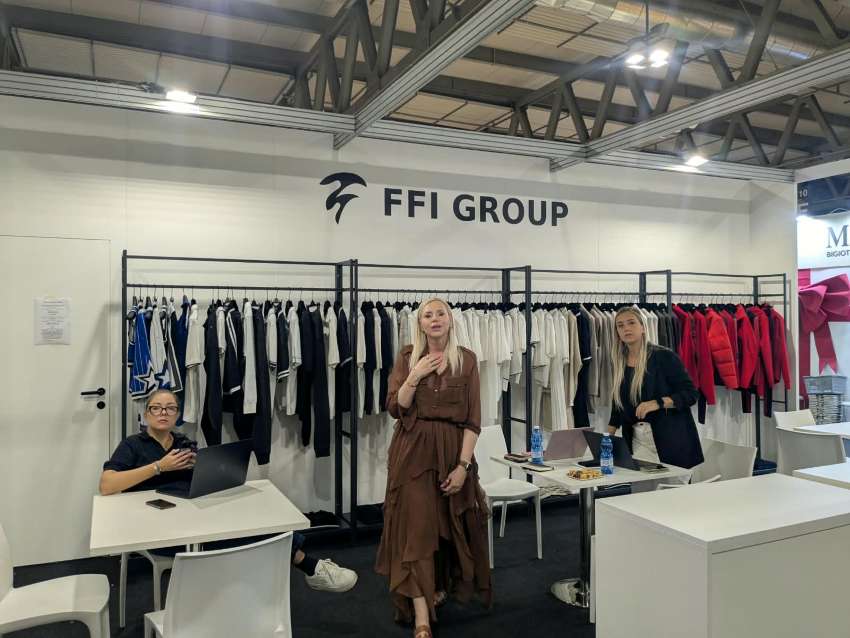
Automation Meets Italian Design: FFI Srl unveils ‘Next-Gen Robotics’ to help bra…
At the recently concluded autumn edition of Ready to Show inside Hall 10 at Fiera Milano-Rho—staged alongside the Milano Fashion... Read more
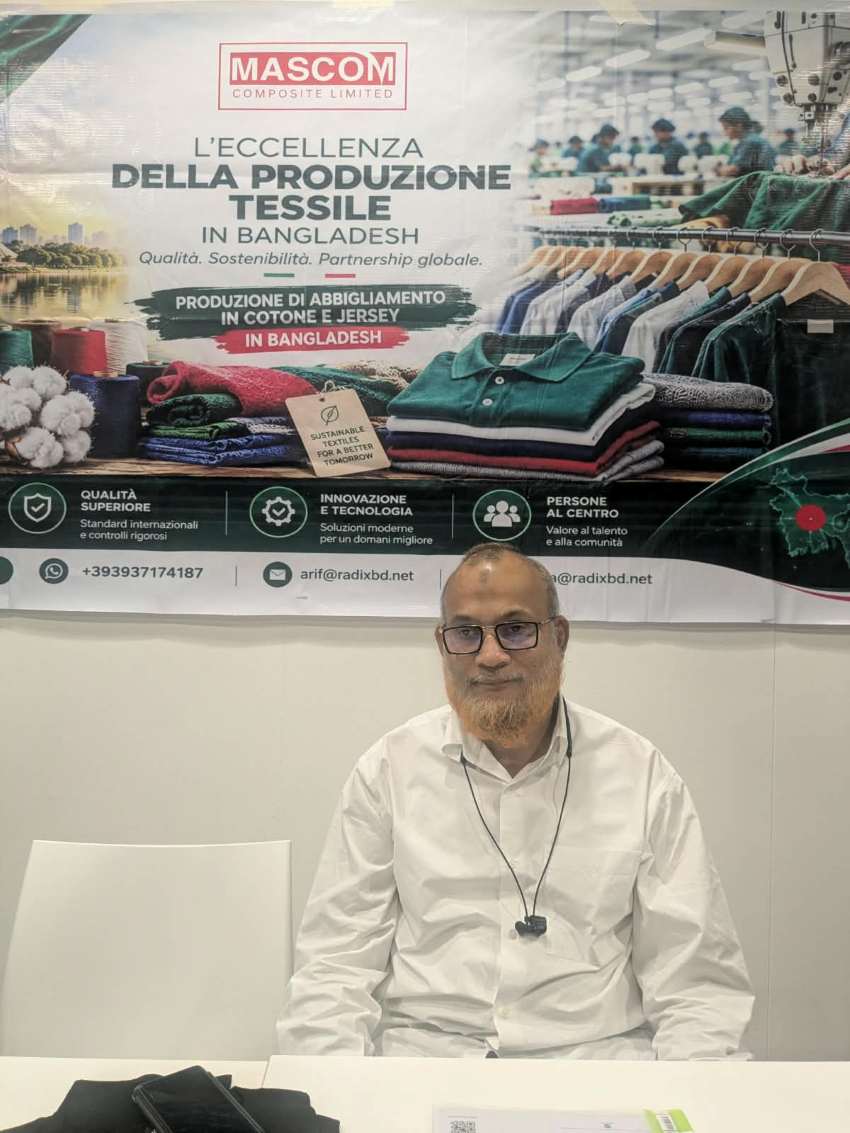
From Dhaka to Milan: Mascom Composite backs Southern Europe’s sports and lifesty…
While the trade floor of Ready to Show Milano inside Hall 10 at Fiera Milano-Rho placed a heavy spotlight on... Read more