Garment and footwear factories in Cambodia are becoming compliant. More factories are holding regular evacuation drills, have unlocked emergency exits and can boast of no worker discrimination. The number of confirmed cases of child labor has also dropped from 65 in 2013 to 28 in 2014 and 16 in 2015.
One area of high non-compliance is the use of fixed-term contracts for workers, which weren’t being transferred to undetermined duration employment contracts after two years of employment. This is because it gives factories labor flexibility to get rid of workers or to downsize their staff. The high rates of non-compliance can be attributed to the low investment in the sector because investors aren’t exactly in Cambodia for development of its garment sector.
Certain such as light levels in factories, are judged not in compliance because the technical criteria are too high. While an increase of some compliance levels is a positive signal for the garment industry and its workers, there is also a need for further improvement in common areas of non-compliance.
The top 10 areas of non-compliance – those with upwards of 60 per cent of factories failing to meet the goals set – remain largely unchanged. Those include requirements such as the selection of shop stewards, a functioning HIV/AIDS committee and medical examinations for workers prior to hiring.

- 1
- 2
- 3
- 4
- 5
- 6
- 7
- 8
- 9
- 10
From cotton to MMF cost equation is rewriting global textile trade
The global textile and apparel trade has grown from $560 billion in 2006 to $914 billion in 2025, reveals the... Read more
Polyethylene stretch yarn challenges elastane’s hold on activewear
The global activewear, denim and intimate apparel markets have built a substantial business around stretch. But the same fibre combinations... Read more
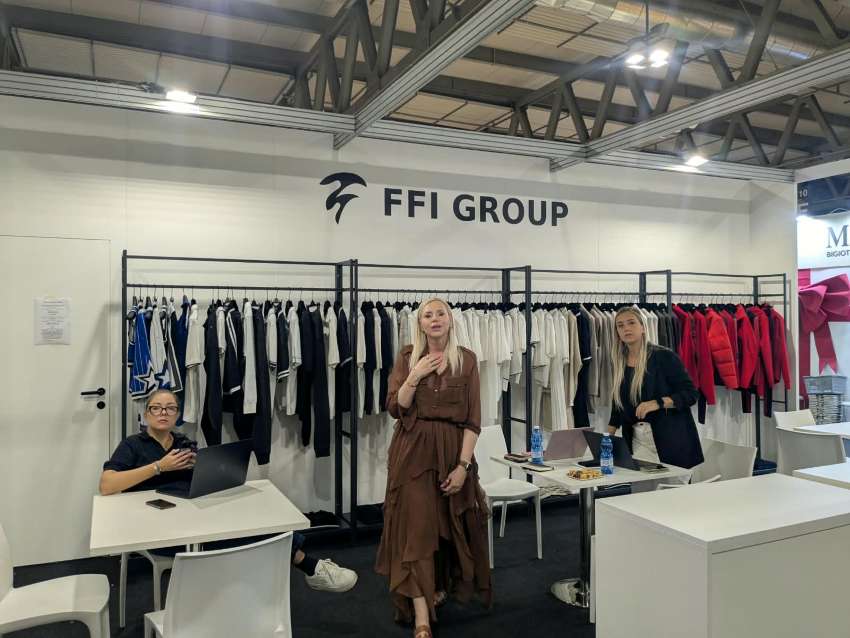
Automation Meets Italian Design: FFI Srl unveils ‘Next-Gen Robotics’ to help bra…
At the recently concluded autumn edition of Ready to Show inside Hall 10 at Fiera Milano-Rho—staged alongside the Milano Fashion... Read more
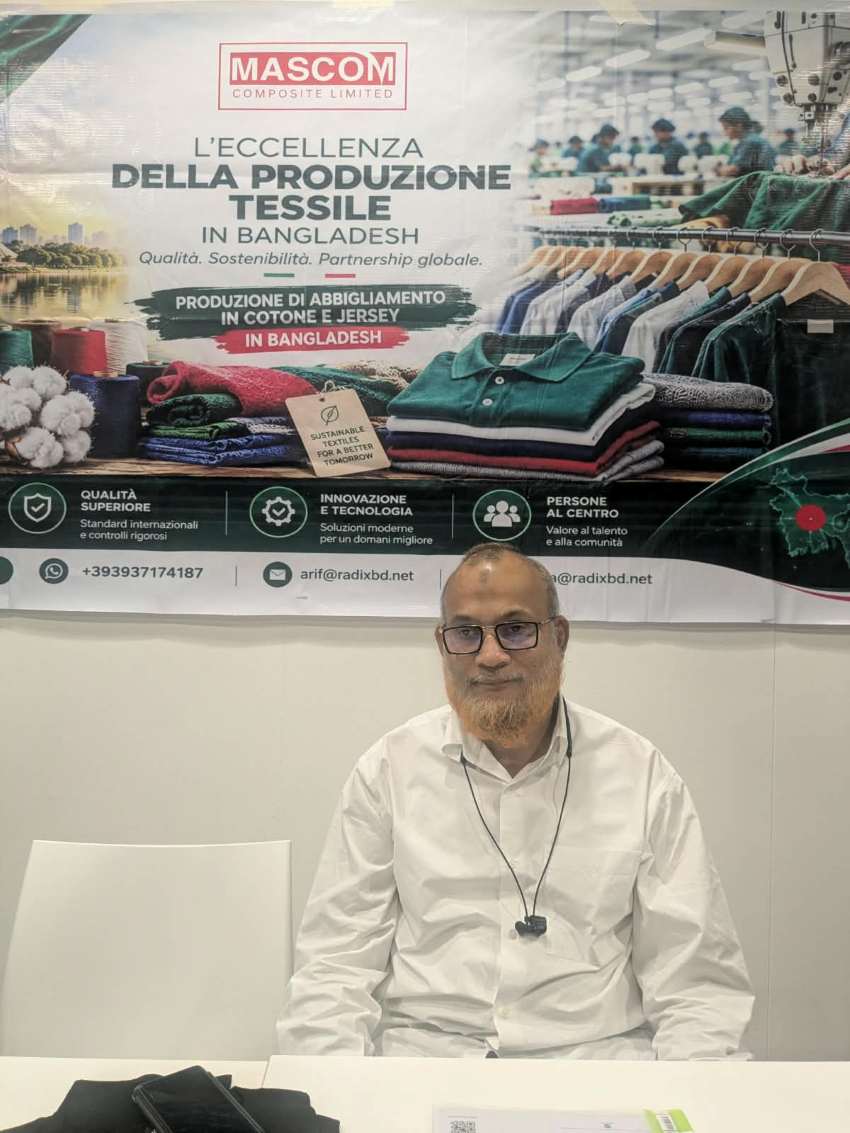
From Dhaka to Milan: Mascom Composite backs Southern Europe’s sports and lifesty…
While the trade floor of Ready to Show Milano inside Hall 10 at Fiera Milano-Rho placed a heavy spotlight on... Read more
How surging silver prices are reshaping ‘Mid-Tier’ fashion jewellery
Escalating global bullion volatility and raw material pricing pressures are forcing a fundamental reassessment across the mid-tier fashion jewellery trade.... Read more
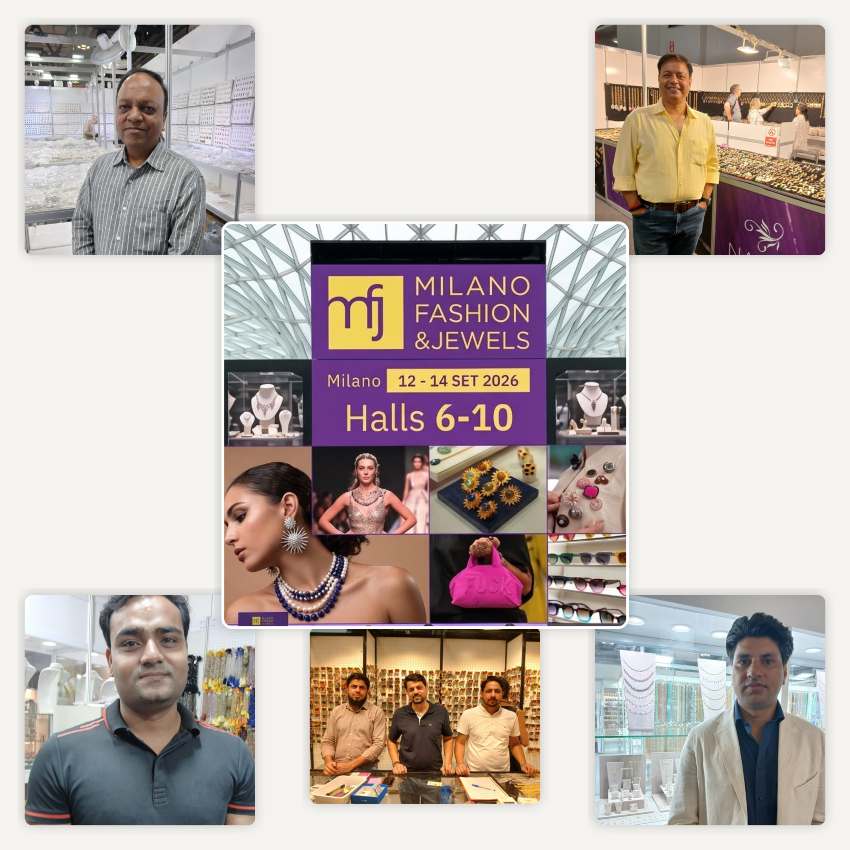
Milano Fashion & Jewels: How ‘Re-Engineered’ heritage crafts are driving hig…
A counter-movement against industrial uniformity is reshaping European bijouterie, transforming authentic craftsmanship into a powerful lever for high-margin boutique growth.... Read more
The "Total Look" Retail Revolution: The integration of jewellery, acce…
The conventional boundaries separating fashion jewellery, ready-to-wear and leather goods, have collapsed on the international retail floor. At the September... Read more
Why Rules of Origin could limit India’s FTA gains
India’s growing network of trade agreements promises lower tariffs and wider market access for its textile and apparel exporters. But... Read more
India-New Zealand FTA opens tariff-free route for textile exporters
The India-New Zealand Free Trade Agreement (FTA), which comes into force on October 20, 2026, creates a new tariff-free corridor... Read more
Virgin polyester drives global fibre output to record 139 mn tonnes
Global textile fibre production reached a record 139 million tonnes in 2025, up 5.3 per cent from 132 million tonnes... Read more