Shoppers in China are encouraged to buy items that will contribute to sustainable lifestyles. Waste and pollution associated with the textile and clothing industries is a growing issue, especially in China.
In 2014, China had begun to exceed the global average consumption of new clothes, which was five kg per person. Chinese shoppers bought 6.5 kg each that year. About half of Chinese consumers buy more than they can afford. About 40 per cent make compulsive purchases more than once a week, with young, high income women being the most vulnerable.
Fashion giants have introduced clothing recycling programs. They are transparent about their textile manufacturing process, or have released clothing collections that have rebranded sustainable consumption as fashionable.
H&M, for example, has collected more than 61,000 tons of garments globally since its clothing recycling program launched in 2013. More than 2,200 tons of the clothing collected was in China. Denim backpacks are being produced from used jeans. Shopping malls have started placing clothing collection boxes. Shops sell products made from organic materials that can be reused, like cotton bags.
However, shopping habits die hard and do make eco-friendly fashion a tough sell. For instance potential customers, wary of used clothing, need convincing that items have been thoroughly disinfected.

- 1
- 2
- 3
- 4
- 5
- 6
- 7
- 8
- 9
- 10
From cotton to MMF cost equation is rewriting global textile trade
The global textile and apparel trade has grown from $560 billion in 2006 to $914 billion in 2025, reveals the... Read more
Polyethylene stretch yarn challenges elastane’s hold on activewear
The global activewear, denim and intimate apparel markets have built a substantial business around stretch. But the same fibre combinations... Read more
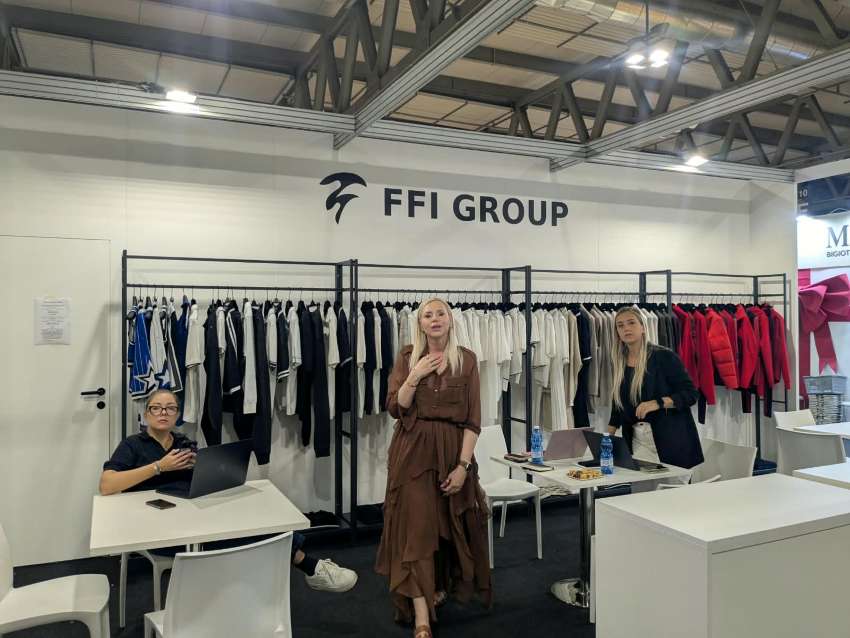
Automation Meets Italian Design: FFI Srl unveils ‘Next-Gen Robotics’ to help bra…
At the recently concluded autumn edition of Ready to Show inside Hall 10 at Fiera Milano-Rho—staged alongside the Milano Fashion... Read more
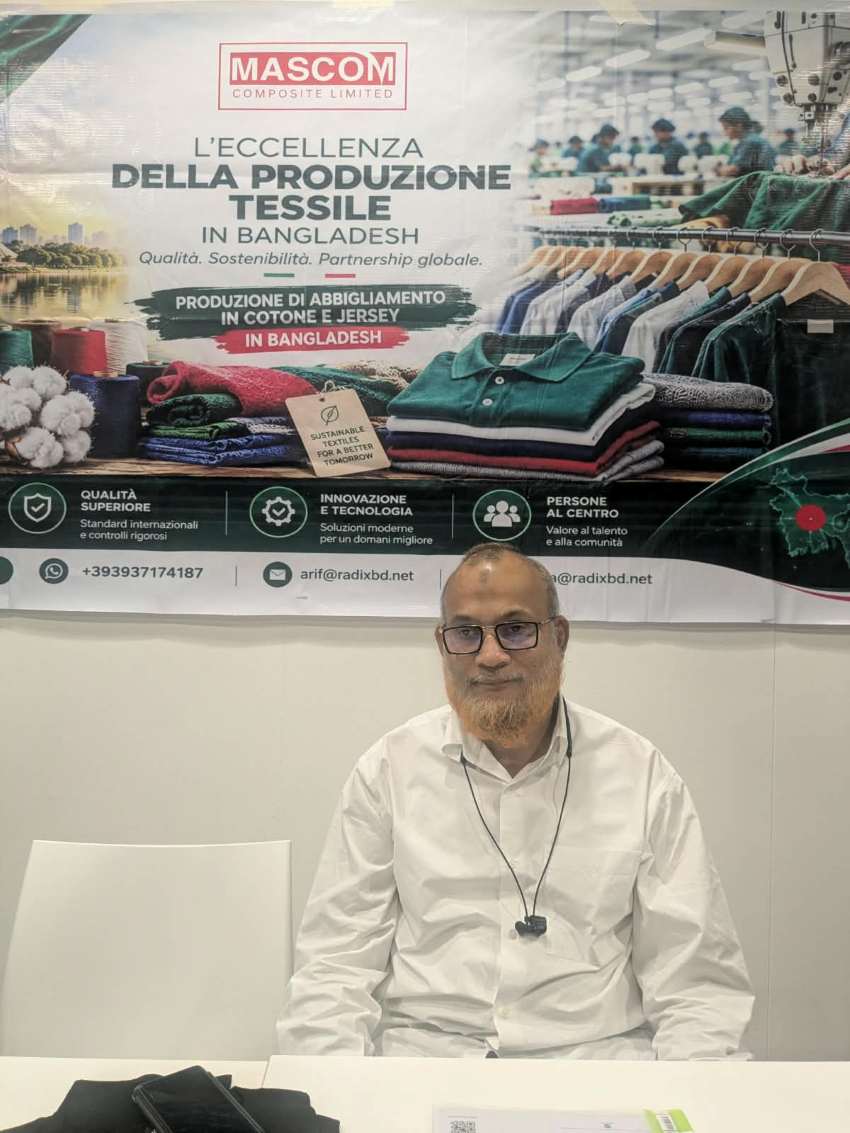
From Dhaka to Milan: Mascom Composite backs Southern Europe’s sports and lifesty…
While the trade floor of Ready to Show Milano inside Hall 10 at Fiera Milano-Rho placed a heavy spotlight on... Read more
How surging silver prices are reshaping ‘Mid-Tier’ fashion jewellery
Escalating global bullion volatility and raw material pricing pressures are forcing a fundamental reassessment across the mid-tier fashion jewellery trade.... Read more
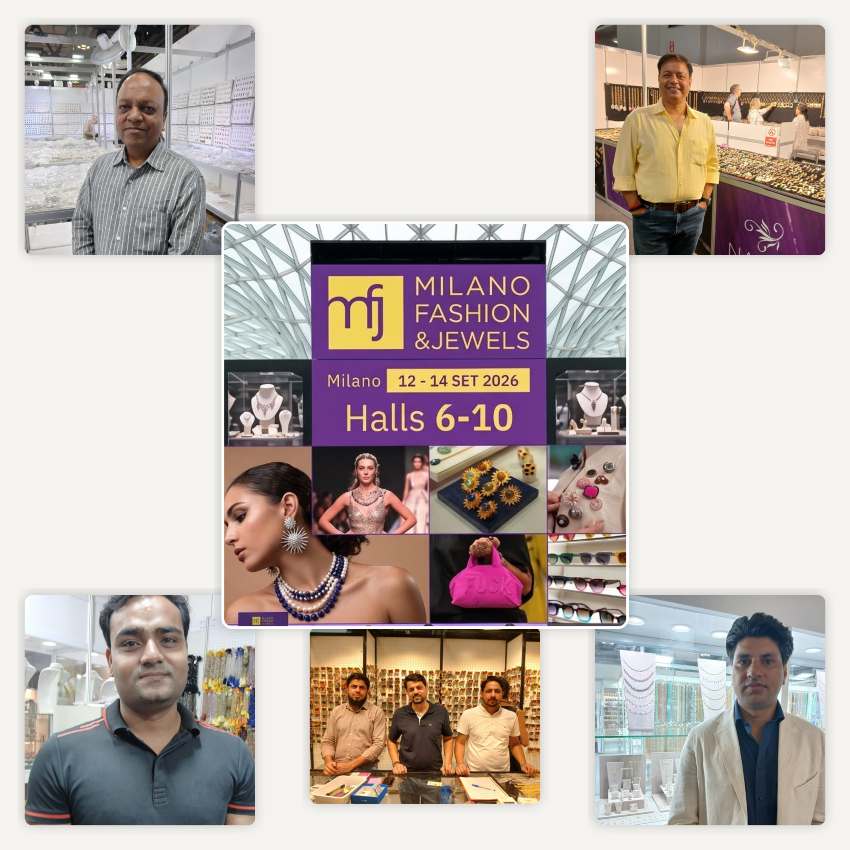
Milano Fashion & Jewels: How ‘Re-Engineered’ heritage crafts are driving hig…
A counter-movement against industrial uniformity is reshaping European bijouterie, transforming authentic craftsmanship into a powerful lever for high-margin boutique growth.... Read more
The "Total Look" Retail Revolution: The integration of jewellery, acce…
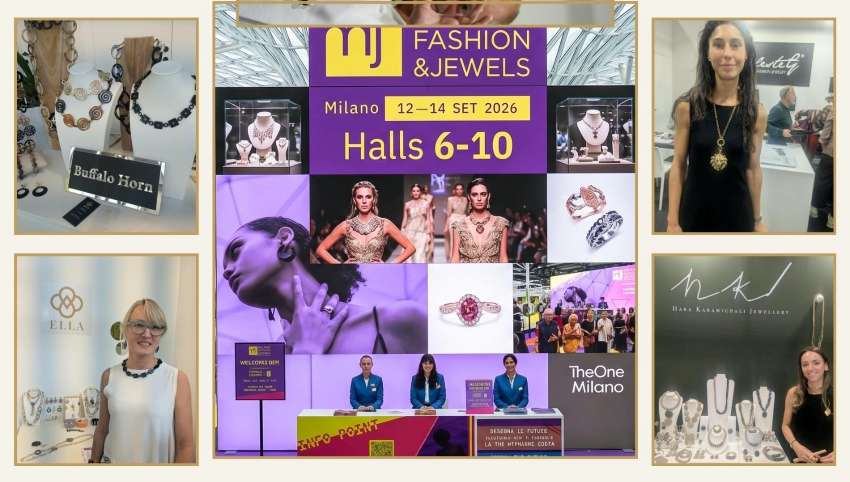
The conventional boundaries separating fashion jewellery, ready-to-wear and leather goods, have collapsed on the international retail floor. At the September... Read more
Why Rules of Origin could limit India’s FTA gains
India’s growing network of trade agreements promises lower tariffs and wider market access for its textile and apparel exporters. But... Read more
India-New Zealand FTA opens tariff-free route for textile exporters
The India-New Zealand Free Trade Agreement (FTA), which comes into force on October 20, 2026, creates a new tariff-free corridor... Read more
Virgin polyester drives global fibre output to record 139 mn tonnes
Global textile fibre production reached a record 139 million tonnes in 2025, up 5.3 per cent from 132 million tonnes... Read more