The government is likely to concede to Congress’ demand to do away with the one per cent tax on interstate sales, which was proposed to compensate manufacturing states such as Maharashtra, Gujarat and Tamil Nadu who feared a loss of revenue in the new indirect tax regime. The government, however, is keen to keep rates reasonable so that any inflationary impact of the goods and service tax is contained.
The proposed GST seeks to replace excise duty, service tax, value added tax, entry tax and octroi with a single levy and create a unified national market in the country from April 1, 2016. GST has been touted as the most comprehensive reform of indirect taxes since independence. It’s estimated it could lift the country’s GDP growth by one to two percentage points.
The tax will be levied on manufacture, sale and consumption of goods and services. It will transform India into a uniform market by breaking the current fiscal barrier between states. GST will facilitate a uniform tax levied on goods and services across the country.
GST will facilitate a climate of improved tax compliance. It also offers a solution to multinationals as it breaks down the indirect tax structure into one single tax payable by the companies.

- 1
- 2
- 3
- 4
- 5
- 6
- 7
- 8
- 9
- 10
From cotton to MMF cost equation is rewriting global textile trade
The global textile and apparel trade has grown from $560 billion in 2006 to $914 billion in 2025, reveals the... Read more
Polyethylene stretch yarn challenges elastane’s hold on activewear
The global activewear, denim and intimate apparel markets have built a substantial business around stretch. But the same fibre combinations... Read more
Automation Meets Italian Design: FFI Srl unveils ‘Next-Gen Robotics’ to help bra…
At the recently concluded autumn edition of Ready to Show inside Hall 10 at Fiera Milano-Rho—staged alongside the Milano Fashion... Read more
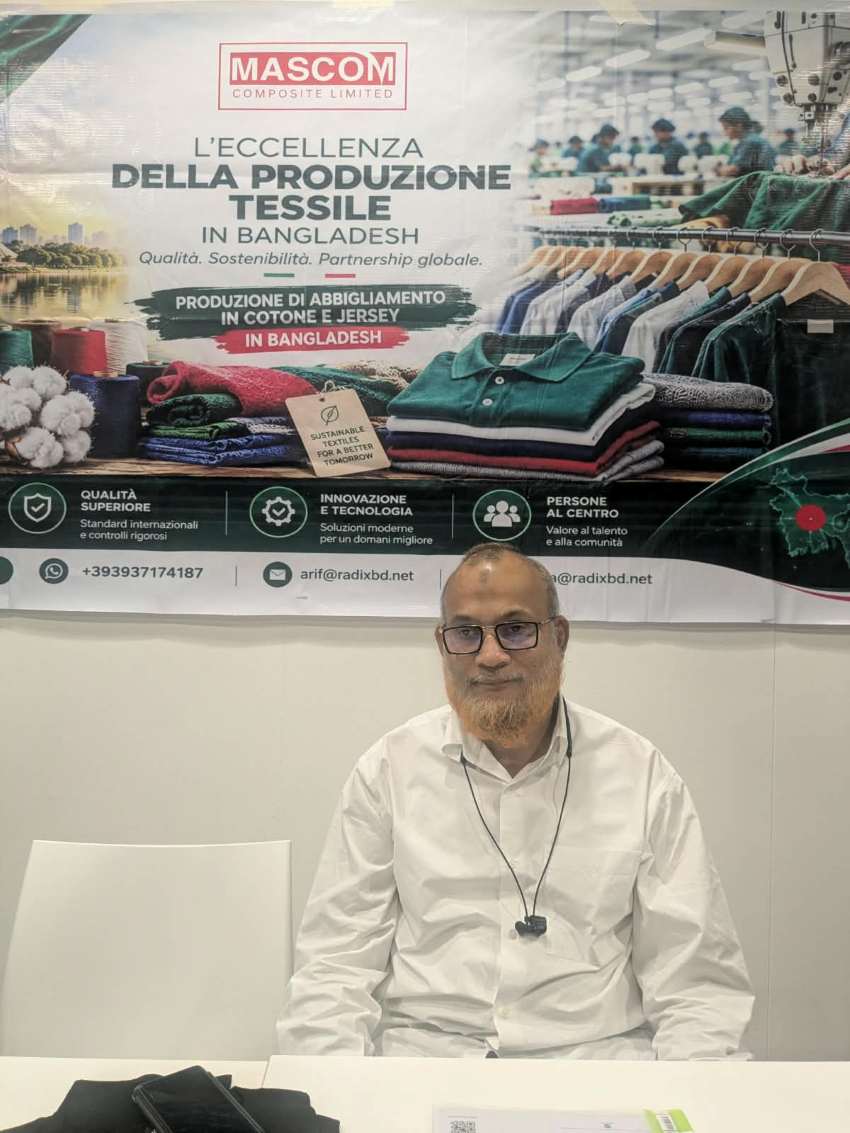
From Dhaka to Milan: Mascom Composite backs Southern Europe’s sports and lifesty…
While the trade floor of Ready to Show Milano inside Hall 10 at Fiera Milano-Rho placed a heavy spotlight on... Read more
How surging silver prices are reshaping ‘Mid-Tier’ fashion jewellery
Escalating global bullion volatility and raw material pricing pressures are forcing a fundamental reassessment across the mid-tier fashion jewellery trade.... Read more
Milano Fashion & Jewels: How ‘Re-Engineered’ heritage crafts are driving hig…
A counter-movement against industrial uniformity is reshaping European bijouterie, transforming authentic craftsmanship into a powerful lever for high-margin boutique growth.... Read more
The "Total Look" Retail Revolution: The integration of jewellery, acce…
The conventional boundaries separating fashion jewellery, ready-to-wear and leather goods, have collapsed on the international retail floor. At the September... Read more
Why Rules of Origin could limit India’s FTA gains
India’s growing network of trade agreements promises lower tariffs and wider market access for its textile and apparel exporters. But... Read more
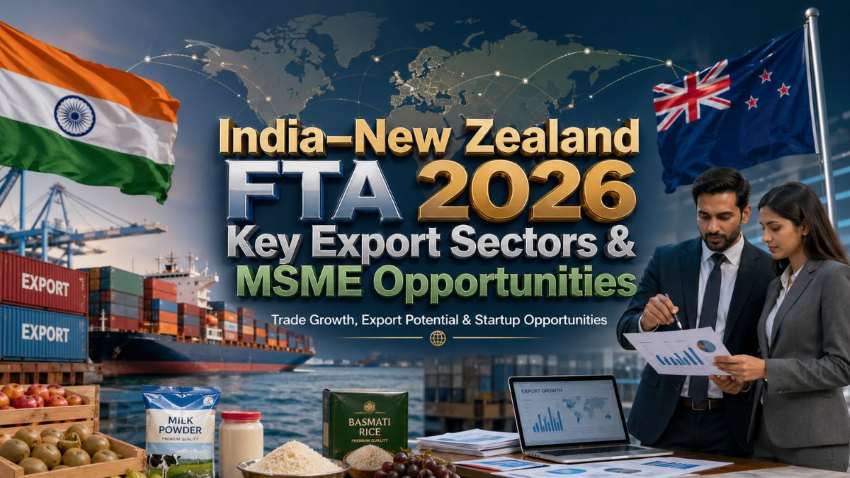
India-New Zealand FTA opens tariff-free route for textile exporters
The India-New Zealand Free Trade Agreement (FTA), which comes into force on October 20, 2026, creates a new tariff-free corridor... Read more
Virgin polyester drives global fibre output to record 139 mn tonnes
Global textile fibre production reached a record 139 million tonnes in 2025, up 5.3 per cent from 132 million tonnes... Read more