Textile and garment units in India and the world over have joined an initiative sponsored by the Netherlands that urges adoption of production practices that ensure safety and well-being of workers and protection of the environment. The aim is for 80 per cent of garment and textile businesses to be part of this agreement by 2021. These brands operate in Europe, Asia and Africa. Over 300 textile and garment units in India are part of the initiative.
Netherlands is a huge importer of fabrics and also a champion of labor and environment issues. Among the states represented by this agreement are: Kerala, Maharashtra, Tamil Nadu, Haryana, Delhi, Uttar Pradesh, Punjab and Karnataka. The agreement provides for ending unfair discrimination against workers, especially on grounds of gender, preventing child labor, ending forced labor, encouraging freedom of association, ensuring a living wage, offering safety and making healthcare provision for workers, responsible use of raw material, prevention of water pollution through chemical use and animal welfare.
The Netherlands pursues a successful environmental policy that is resulting in cleaner rivers, reduction in carbon emissions, reduction in waste streams, and the cleanup of contaminated soil. National environmental policy is directed to contribute to sustainable economic development and to the health and safety of people by maintaining and improving the quality of the environment.

- 1
- 2
- 3
- 4
- 5
- 6
- 7
- 8
- 9
- 10
From cotton to MMF cost equation is rewriting global textile trade
The global textile and apparel trade has grown from $560 billion in 2006 to $914 billion in 2025, reveals the... Read more
Polyethylene stretch yarn challenges elastane’s hold on activewear
The global activewear, denim and intimate apparel markets have built a substantial business around stretch. But the same fibre combinations... Read more
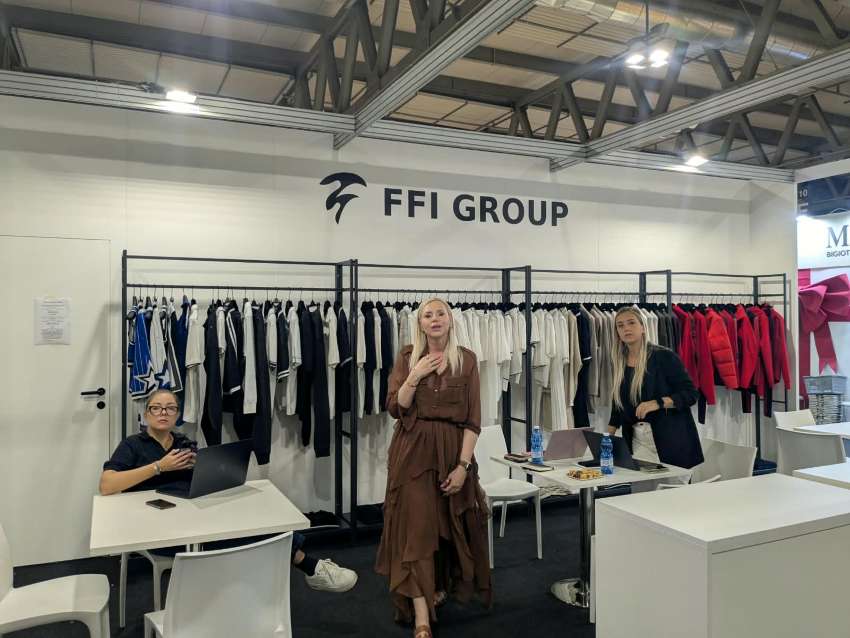
Automation Meets Italian Design: FFI Srl unveils ‘Next-Gen Robotics’ to help bra…
At the recently concluded autumn edition of Ready to Show inside Hall 10 at Fiera Milano-Rho—staged alongside the Milano Fashion... Read more
From Dhaka to Milan: Mascom Composite backs Southern Europe’s sports and lifesty…
While the trade floor of Ready to Show Milano inside Hall 10 at Fiera Milano-Rho placed a heavy spotlight on... Read more
How surging silver prices are reshaping ‘Mid-Tier’ fashion jewellery
Escalating global bullion volatility and raw material pricing pressures are forcing a fundamental reassessment across the mid-tier fashion jewellery trade.... Read more
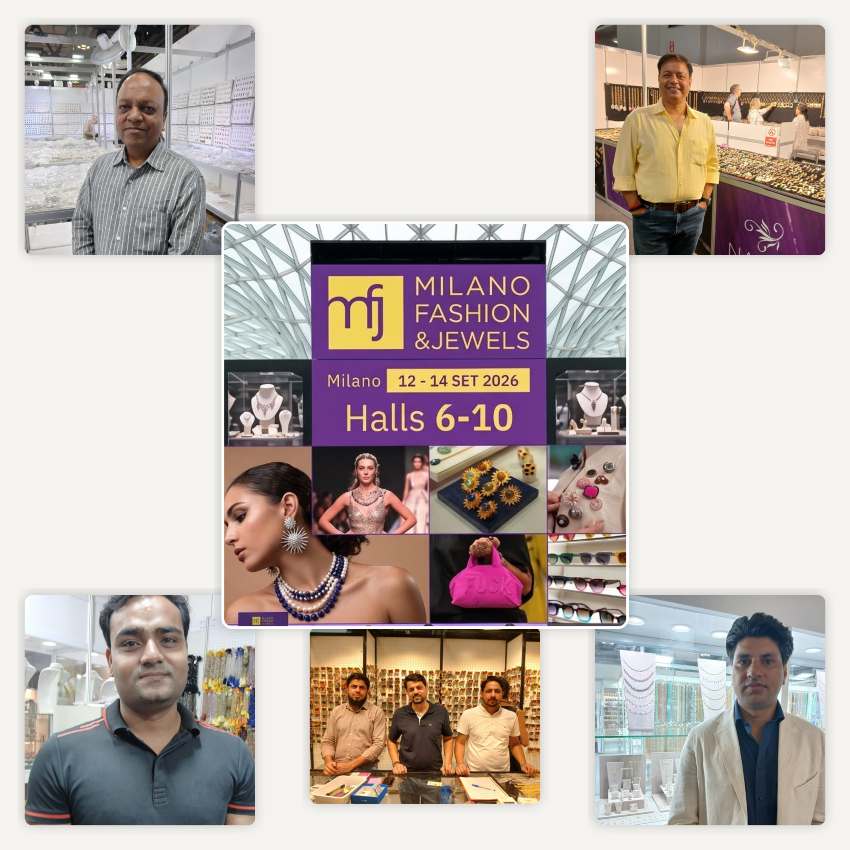
Milano Fashion & Jewels: How ‘Re-Engineered’ heritage crafts are driving hig…
A counter-movement against industrial uniformity is reshaping European bijouterie, transforming authentic craftsmanship into a powerful lever for high-margin boutique growth.... Read more
The "Total Look" Retail Revolution: The integration of jewellery, acce…
The conventional boundaries separating fashion jewellery, ready-to-wear and leather goods, have collapsed on the international retail floor. At the September... Read more
Why Rules of Origin could limit India’s FTA gains
India’s growing network of trade agreements promises lower tariffs and wider market access for its textile and apparel exporters. But... Read more
India-New Zealand FTA opens tariff-free route for textile exporters
The India-New Zealand Free Trade Agreement (FTA), which comes into force on October 20, 2026, creates a new tariff-free corridor... Read more
Virgin polyester drives global fibre output to record 139 mn tonnes
Global textile fibre production reached a record 139 million tonnes in 2025, up 5.3 per cent from 132 million tonnes... Read more