Moroccan textile companies are looking at reaching out to new markets abroad. The country’s industrial strategy has made textiles a priority. Companies are investing in dye finishing, printing and dyeing and knitting. In fact, Moroccan companies participated for the first time at Premiere Vision Salon Manufacturinng Istanbul (March 23-25) with the objective to reach new international markets and canvass outsourcer.
One factor that has always been to Morocco’s advantage is its proximity to Europe. The other is the relatively lower wages and the natural skill and dexterity of its workers, most of whom are women. The textile sector in Morocco covers five types of activity: warp and woof; knitted fabric; jeans; sportswear; and household textiles.
Textiles and clothing sector plays a major role in the country’s economy. It is the top industrial employer, providing about 2,00,000 jobs to 42 per cent of the labor force working in the industry. Textiles represent 40 per cent of Morocco’s industrial exports.
Some advantages the Moroccan textile industry enjoys are market knowledge and a mastery of European standards; ability to meet shipping and delivery deadlines; competitive advantage in transport costs, pricing and service. In Morocco, the state provides platforms, coordination and funding for marketing Morocco’s textile products and capabilities. The country has a simplified and integrated logistics system that guarantees delivery of products on time and allows the manufacturer to concentrate on production.

- 1
- 2
- 3
- 4
- 5
- 6
- 7
- 8
- 9
- 10
From cotton to MMF cost equation is rewriting global textile trade
The global textile and apparel trade has grown from $560 billion in 2006 to $914 billion in 2025, reveals the... Read more
Polyethylene stretch yarn challenges elastane’s hold on activewear
The global activewear, denim and intimate apparel markets have built a substantial business around stretch. But the same fibre combinations... Read more
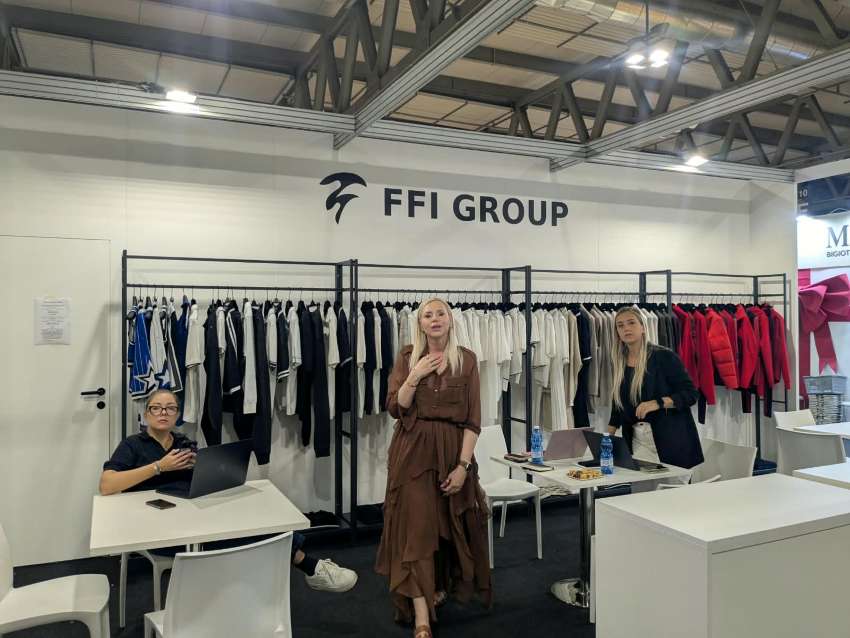
Automation Meets Italian Design: FFI Srl unveils ‘Next-Gen Robotics’ to help bra…
At the recently concluded autumn edition of Ready to Show inside Hall 10 at Fiera Milano-Rho—staged alongside the Milano Fashion... Read more
From Dhaka to Milan: Mascom Composite backs Southern Europe’s sports and lifesty…
While the trade floor of Ready to Show Milano inside Hall 10 at Fiera Milano-Rho placed a heavy spotlight on... Read more
How surging silver prices are reshaping ‘Mid-Tier’ fashion jewellery
Escalating global bullion volatility and raw material pricing pressures are forcing a fundamental reassessment across the mid-tier fashion jewellery trade.... Read more
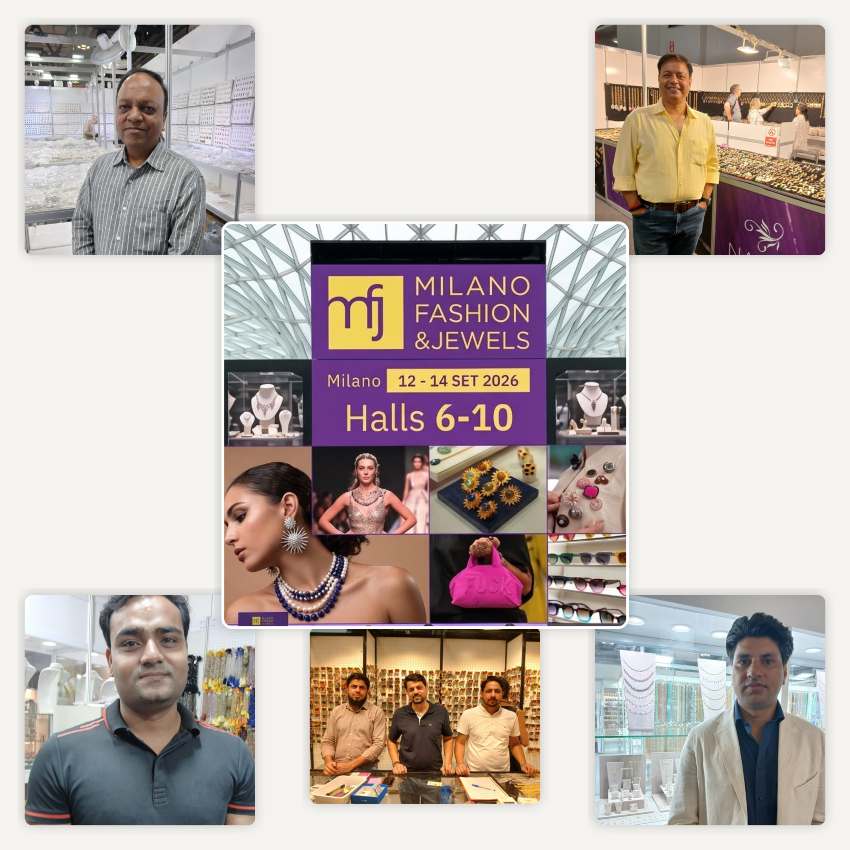
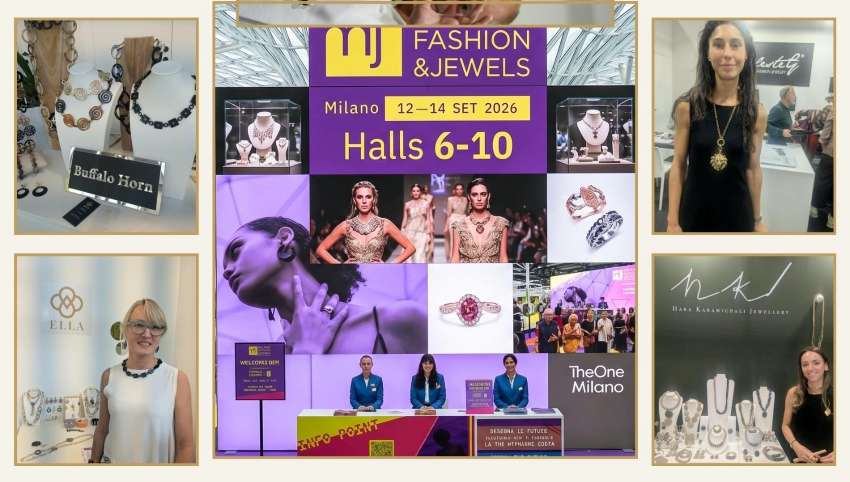
Milano Fashion & Jewels: How ‘Re-Engineered’ heritage crafts are driving hig…
A counter-movement against industrial uniformity is reshaping European bijouterie, transforming authentic craftsmanship into a powerful lever for high-margin boutique growth.... Read more
The "Total Look" Retail Revolution: The integration of jewellery, acce…
The conventional boundaries separating fashion jewellery, ready-to-wear and leather goods, have collapsed on the international retail floor. At the September... Read more
Why Rules of Origin could limit India’s FTA gains
India’s growing network of trade agreements promises lower tariffs and wider market access for its textile and apparel exporters. But... Read more
India-New Zealand FTA opens tariff-free route for textile exporters
The India-New Zealand Free Trade Agreement (FTA), which comes into force on October 20, 2026, creates a new tariff-free corridor... Read more
Virgin polyester drives global fibre output to record 139 mn tonnes
Global textile fibre production reached a record 139 million tonnes in 2025, up 5.3 per cent from 132 million tonnes... Read more