Pakistan’s cotton production may fall this year. Among the reasons are: high power tariff for tube wells, water shortage, absence of a support price and substandard and fake seeds. In most cotton-producing zones, the water table is either down or water has turned saline.
Cotton ginners say, the country’s cotton production can be raised up to 15 million bales if the Cotton Control Act is properly implemented. They have urged the government to extend support to each ginning factory and introduce upgraded ginning technology for production of clean cotton. It is estimated each of the 1300 ginning factories in Pakistan needs an investment of at least Rs 5 million for upgradation.
Pakistan aims to boost cotton production and increase its cultivation area by 45 per cent by 2025. Research funding will be provided. Cotton research will be revitalized. Partnerships may be initiated for variety development and marketing. The Seed Act and the Plant Breeder Rights Act may be implemented. Sub-standard cotton seed and BT cotton varieties may be regulated. The cotton sector may be regulated by rationalizing over 700 seed companies and disallowing cotton imports during the cotton picking season.
Spinning and ginning may be improved through better technology, shifting of the current weight based pricing to a quality based system, and bale labeling by ginners showing quality features.

- 1
- 2
- 3
- 4
- 5
- 6
- 7
- 8
- 9
- 10
From cotton to MMF cost equation is rewriting global textile trade
The global textile and apparel trade has grown from $560 billion in 2006 to $914 billion in 2025, reveals the... Read more
Polyethylene stretch yarn challenges elastane’s hold on activewear
The global activewear, denim and intimate apparel markets have built a substantial business around stretch. But the same fibre combinations... Read more
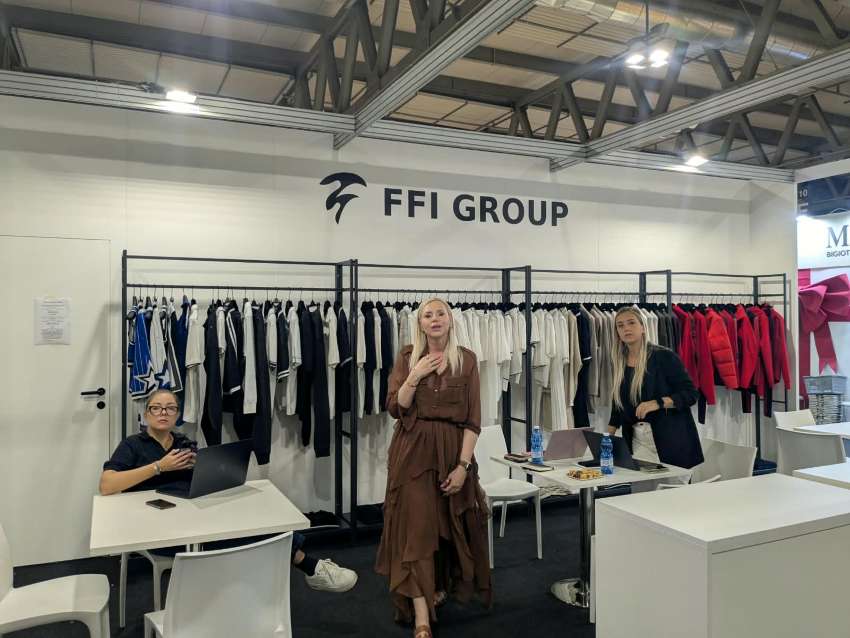
Automation Meets Italian Design: FFI Srl unveils ‘Next-Gen Robotics’ to help bra…
At the recently concluded autumn edition of Ready to Show inside Hall 10 at Fiera Milano-Rho—staged alongside the Milano Fashion... Read more
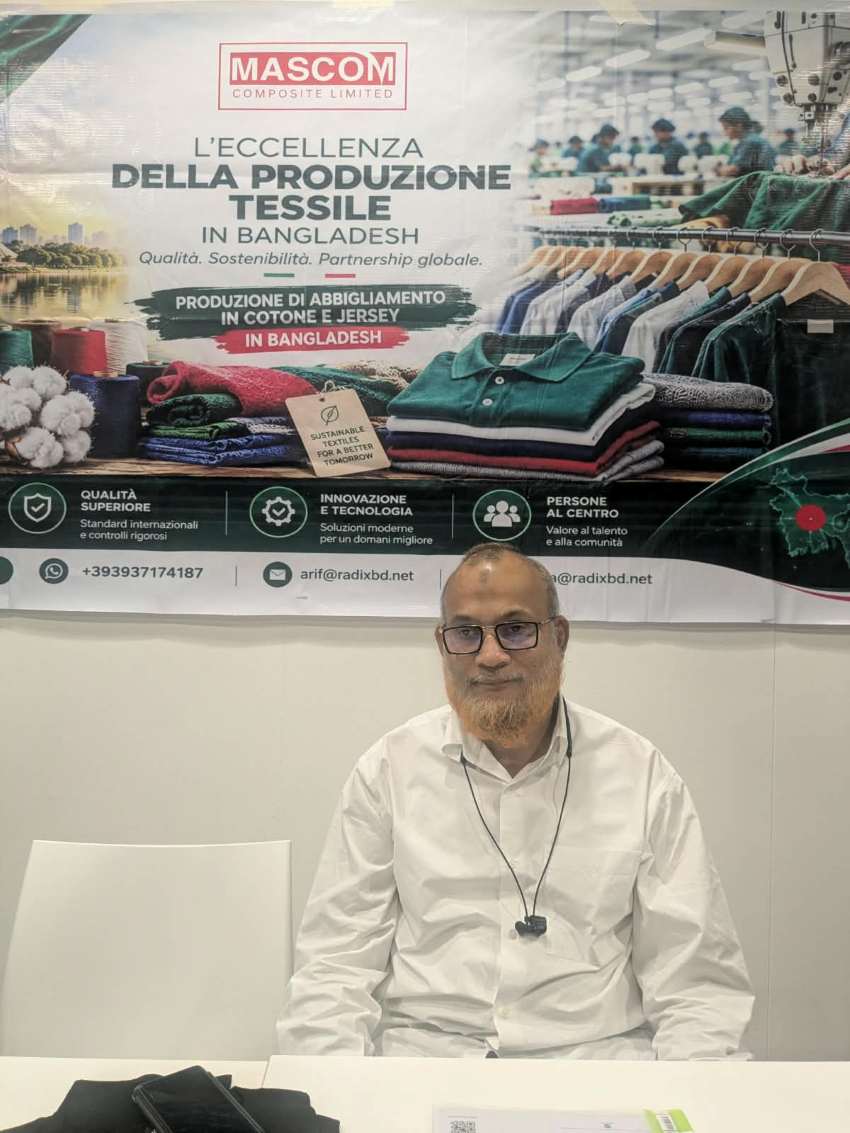
From Dhaka to Milan: Mascom Composite backs Southern Europe’s sports and lifesty…
While the trade floor of Ready to Show Milano inside Hall 10 at Fiera Milano-Rho placed a heavy spotlight on... Read more
How surging silver prices are reshaping ‘Mid-Tier’ fashion jewellery
Escalating global bullion volatility and raw material pricing pressures are forcing a fundamental reassessment across the mid-tier fashion jewellery trade.... Read more
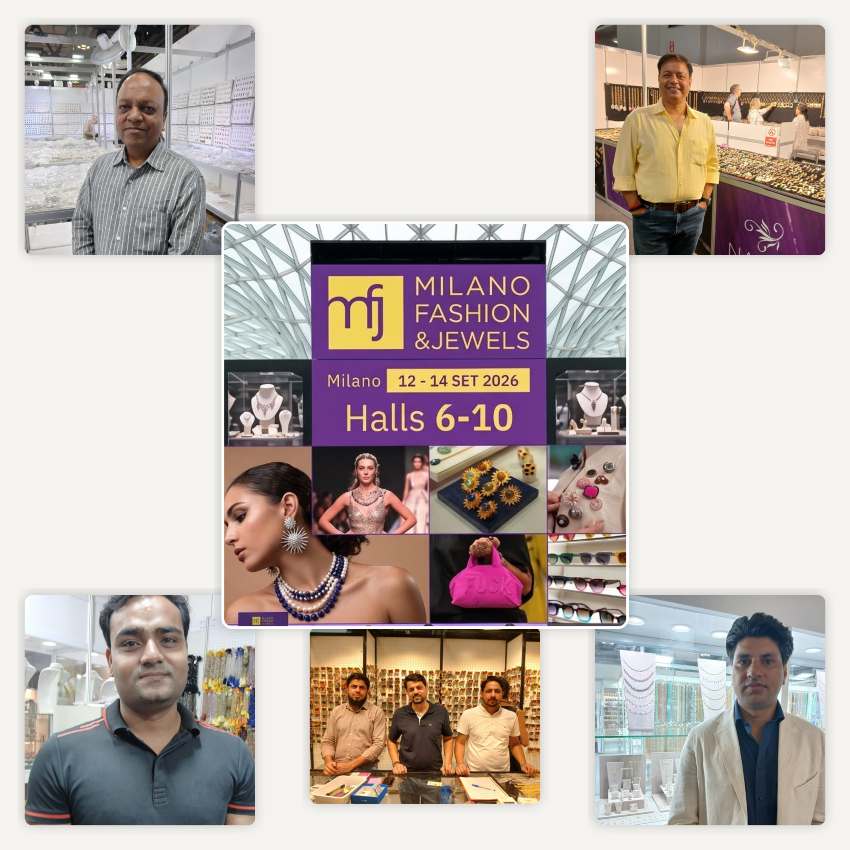
Milano Fashion & Jewels: How ‘Re-Engineered’ heritage crafts are driving hig…
A counter-movement against industrial uniformity is reshaping European bijouterie, transforming authentic craftsmanship into a powerful lever for high-margin boutique growth.... Read more
The "Total Look" Retail Revolution: The integration of jewellery, acce…
The conventional boundaries separating fashion jewellery, ready-to-wear and leather goods, have collapsed on the international retail floor. At the September... Read more
Why Rules of Origin could limit India’s FTA gains
India’s growing network of trade agreements promises lower tariffs and wider market access for its textile and apparel exporters. But... Read more
India-New Zealand FTA opens tariff-free route for textile exporters
The India-New Zealand Free Trade Agreement (FTA), which comes into force on October 20, 2026, creates a new tariff-free corridor... Read more
Virgin polyester drives global fibre output to record 139 mn tonnes
Global textile fibre production reached a record 139 million tonnes in 2025, up 5.3 per cent from 132 million tonnes... Read more