Besides facing load-shedding of around six to eight hours, the value-added industry in Punjab, Pakistan, except spinning sector, is without gas for the last two weeks. The SNGPL had committed to provide at least 25 per cent gas to the garment sector but even this limited quantity of gas was not ensured, as the industry on Ferozepur Road, Kotlakhpat industrial area, Township industrial estate, Quaid-e-Azam Industrial Estate and industrial clusters on Multan Road are not getting gas supply for last two weeks along with suspension of power supply of over 6 hours.
As per Malik Naseer, Vice Chairman, Pakistan Readymade Garments Manufacturers and Exporters Association (PRGMEA), the garment industry in Punjab was becoming uncompetitive within Pakistan due to prolonged power load-shedding and complete gas supply suspension while there was smooth gas and power supply in other provinces. Value-added textile industry in Punjab was facing problems because of the increasing cost of production due to gas shortages, higher electricity tariff, and amounts stuck up with the Federal Board of Revenue (FBR) in sales tax refunds, he urged the government to provide a level playing field to the Punjab-based clothing industry by providing greater gas and power supply, which will help exporters reduce their energy costs, and by releasing the amounts stuck up in sales tax refunds.
Ijaz A Mumtaz, president of Lahore Chamber of Commerce and Industry, warned of massive lay-offs and industrial closures if unscheduled load-shedding is not stopped immediately in Lahore Township Industrial area by the Lahore Electric Supply Company (LESCO). LCCI former vice president Kashif Anwar too has said the industry needs continuous supply of electricity to keep the units operational and to complete the export orders well within the given timeframe but only because of the shortage of electricity the exports are not up to the mark. Pakistan had already lost a number of international markets and the new longer hour power cuts would further aggravate the situation, he claimed.

- 1
- 2
- 3
- 4
- 5
- 6
- 7
- 8
- 9
- 10
From cotton to MMF cost equation is rewriting global textile trade
The global textile and apparel trade has grown from $560 billion in 2006 to $914 billion in 2025, reveals the... Read more
Polyethylene stretch yarn challenges elastane’s hold on activewear
The global activewear, denim and intimate apparel markets have built a substantial business around stretch. But the same fibre combinations... Read more
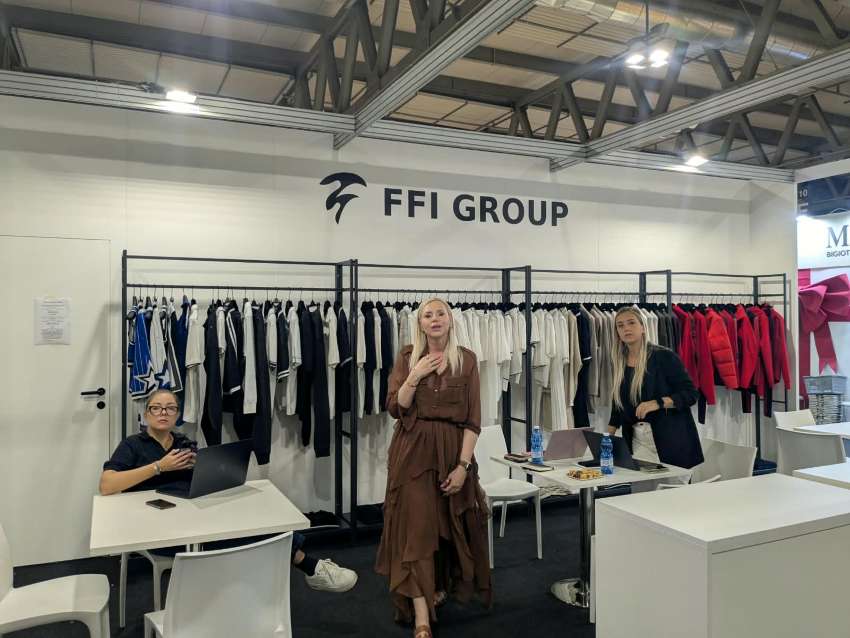
Automation Meets Italian Design: FFI Srl unveils ‘Next-Gen Robotics’ to help bra…
At the recently concluded autumn edition of Ready to Show inside Hall 10 at Fiera Milano-Rho—staged alongside the Milano Fashion... Read more
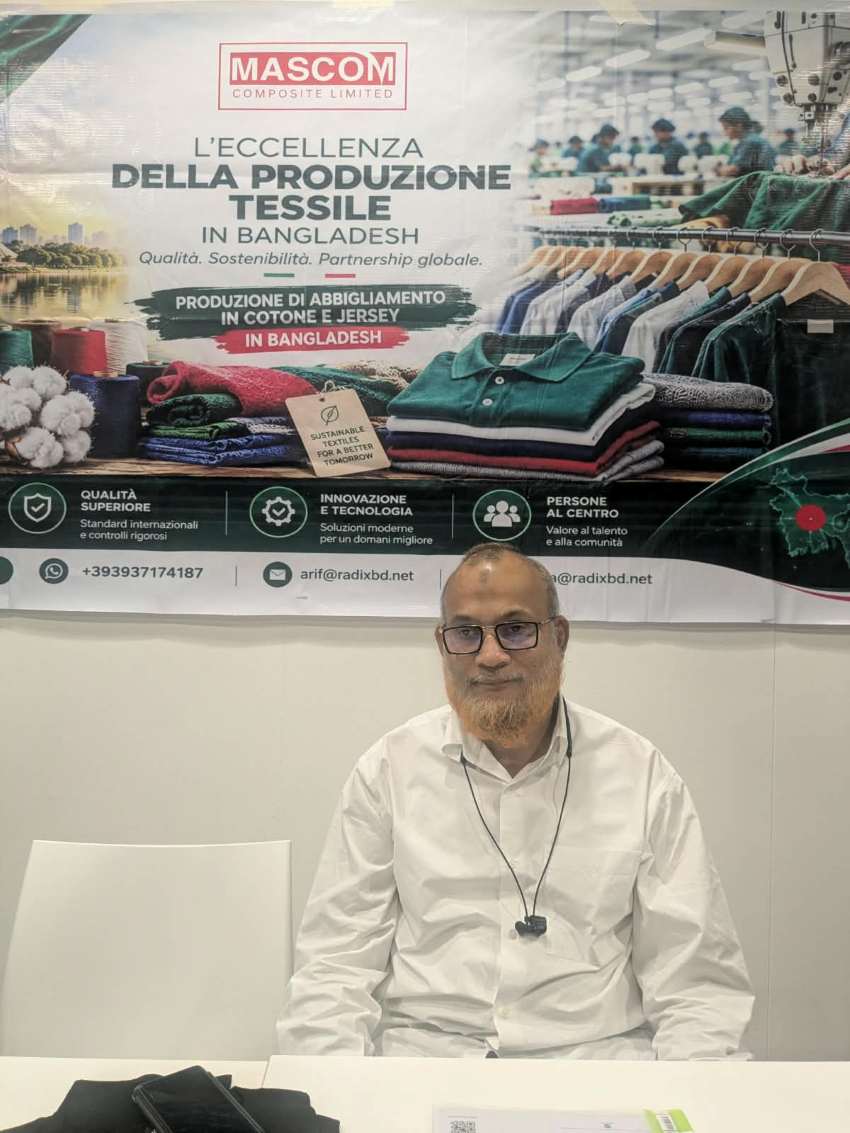
From Dhaka to Milan: Mascom Composite backs Southern Europe’s sports and lifesty…
While the trade floor of Ready to Show Milano inside Hall 10 at Fiera Milano-Rho placed a heavy spotlight on... Read more
How surging silver prices are reshaping ‘Mid-Tier’ fashion jewellery
Escalating global bullion volatility and raw material pricing pressures are forcing a fundamental reassessment across the mid-tier fashion jewellery trade.... Read more
Milano Fashion & Jewels: How ‘Re-Engineered’ heritage crafts are driving hig…
A counter-movement against industrial uniformity is reshaping European bijouterie, transforming authentic craftsmanship into a powerful lever for high-margin boutique growth.... Read more
The "Total Look" Retail Revolution: The integration of jewellery, acce…
The conventional boundaries separating fashion jewellery, ready-to-wear and leather goods, have collapsed on the international retail floor. At the September... Read more
Why Rules of Origin could limit India’s FTA gains
India’s growing network of trade agreements promises lower tariffs and wider market access for its textile and apparel exporters. But... Read more
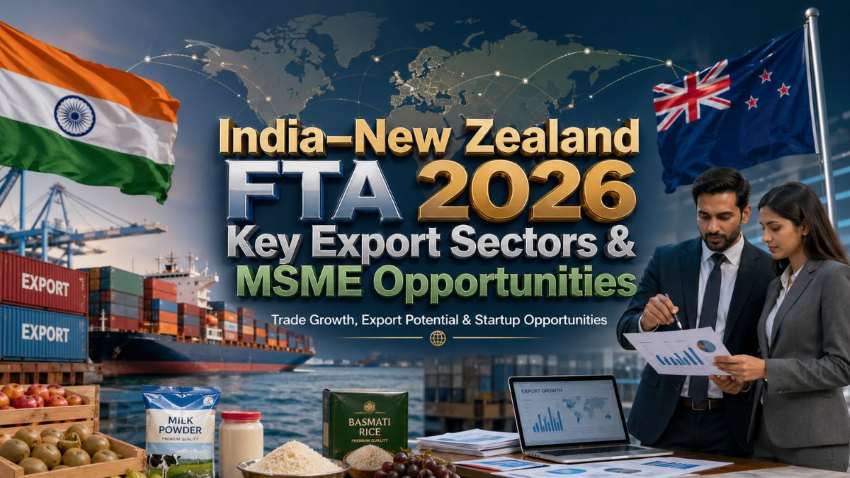
India-New Zealand FTA opens tariff-free route for textile exporters
The India-New Zealand Free Trade Agreement (FTA), which comes into force on October 20, 2026, creates a new tariff-free corridor... Read more
Virgin polyester drives global fibre output to record 139 mn tonnes
Global textile fibre production reached a record 139 million tonnes in 2025, up 5.3 per cent from 132 million tonnes... Read more