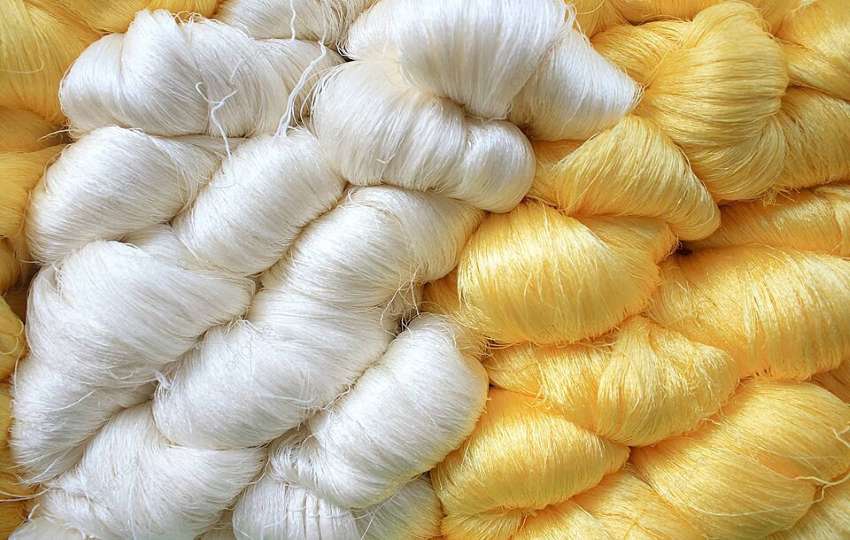
Pakistan’s textile sector is facing renewed input cost pressures following a sharp 4.77 per cent single-day jump in the Viscose Staple Fiber (VSF) 1.5D benchmark, pushing rates to PKR 681 per kg. Concurrently, Modal 1.4D advanced by 4.07 per cent, signaling a tightening supply framework for man-made cellulose fibers (MMCF) across South Asia. Spinners handling blended yarn manufacturing are encountering squeezed operating margins as raw material acquisition costs escalate. Industry analysts note, this localized price spike forces downstream fabric producers to either absorb higher production expenses or pass them down to apparel brands, potentially dampening export competitiveness against regional competitors in India and Vietnam.
Strategic adjustments in regional supply chains
The sudden upward correction in fiber pricing is reshaping procurement strategies for regional textile mills striving to maintain feedstock stability. We are seeing a noticeable realignment in forward-buying patterns as mills hedge against further MMCF volatility, remarks Faisal Nadeem, Senior Textile Economist, Karachi. Highlighting an operational case study from a leading Punjab-based spinning unit, optimized blending ratios of modal and cotton successfully offset a 12 per cent surge in overhead material expenses without compromising tensile yarn strength. Nevertheless, smaller export-oriented garment makers struggle with liquidity constraints, complicating efforts to fulfill bulk autumn-winter orders under pre-negotiated contracts.
Market fundamentals and sector outlook
Operating as the premier apex body representing the country's textile value chain, the Pakistan Textile Council monitors macro trade policies, raw material indices, and export facilitation. Key focus categories encompass cotton, viscose staple fiber yarn, and ready-made garments targeted at the European Union and North American markets. Amid ongoing currency fluctuations and volatile energy tariffs, the sector maintains a cautious financial outlook, striving to elevate value-added apparel shipments. Historically rooted in traditional cotton processing, the regional industry has progressively diversified into man-made cellulose fibers to align with evolving global consumer preferences for sustainable, drapable fabrics.