The economies of Southeast Asia can boost their collective gross domestic product if existing inequities between genders is eliminated. Gender inequality in Cambodia prevails at the workplace and in society. The country is building a global textile industry on the back of Cambodian women working sewing machines on the garment factory floor. However, they are often overworked and underpaid, and rarely ever promoted to supervisory positions.
One in three Cambodian women working in the industry has suffered sexual harassment on the factory floor. Employers do not pay their female workers correctly for maternity leave and some do not allow paid time off for breastfeeding as required by law.
In Vietnam, women constitute the majority of the jobless, making up over 57 per cent of untrained, unemployed adults. Of 12,300 online job advertisements, one-fifth included gender requirements, of which 70 per cent preferred male candidates. Men are most often targeted for highly professional or technical jobs or jobs requiring much travelling, while women are expected to perform office and clerical jobs.
Southeast Asian women contribute 36.4 per cent of the combined regional GDP. However, this percentage fails to capture the very significant economic value that women create through unpaid care work in the home such as looking after children and the elderly, shopping, cooking, and cleaning.

- 1
- 2
- 3
- 4
- 5
- 6
- 7
- 8
- 9
- 10
From cotton to MMF cost equation is rewriting global textile trade
The global textile and apparel trade has grown from $560 billion in 2006 to $914 billion in 2025, reveals the... Read more
Polyethylene stretch yarn challenges elastane’s hold on activewear
The global activewear, denim and intimate apparel markets have built a substantial business around stretch. But the same fibre combinations... Read more
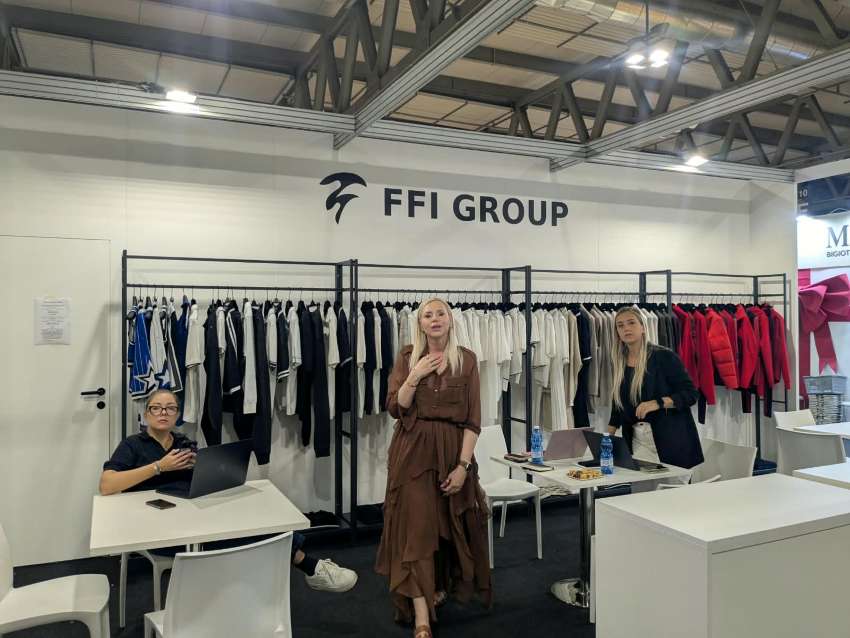
Automation Meets Italian Design: FFI Srl unveils ‘Next-Gen Robotics’ to help bra…
At the recently concluded autumn edition of Ready to Show inside Hall 10 at Fiera Milano-Rho—staged alongside the Milano Fashion... Read more
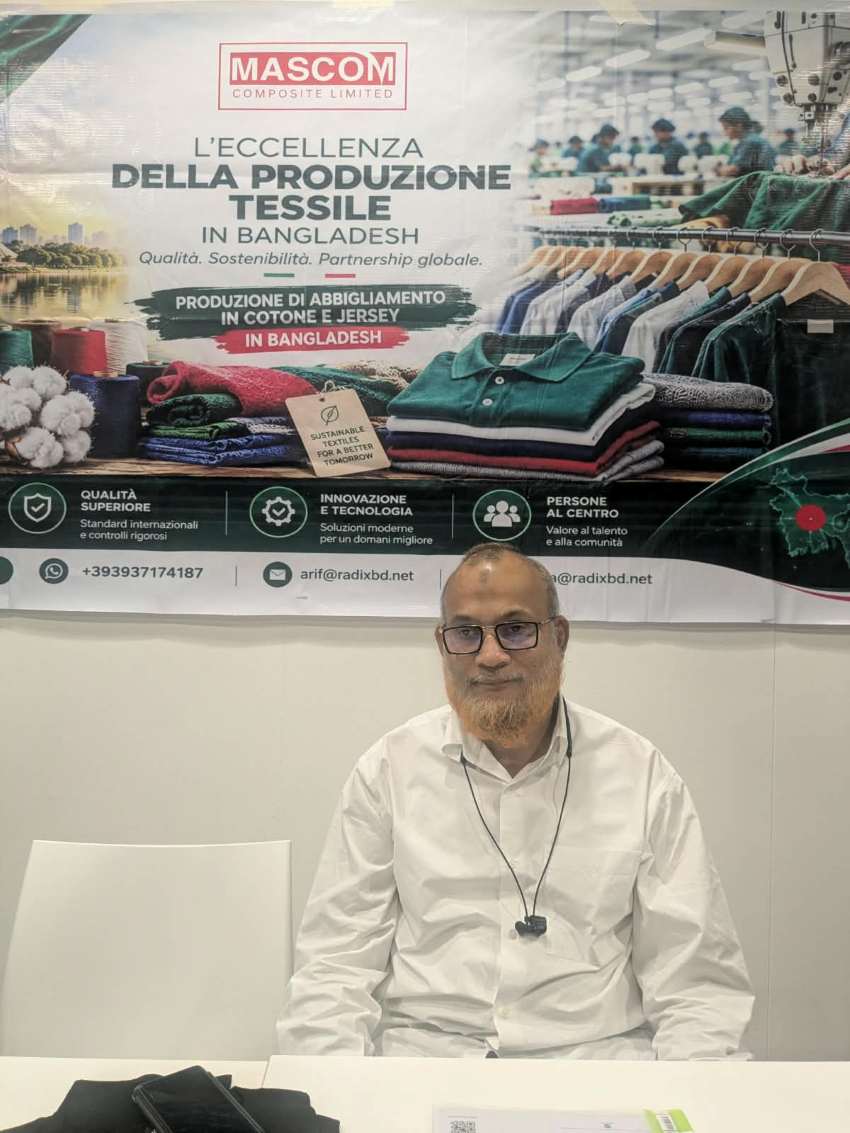
From Dhaka to Milan: Mascom Composite backs Southern Europe’s sports and lifesty…
While the trade floor of Ready to Show Milano inside Hall 10 at Fiera Milano-Rho placed a heavy spotlight on... Read more
How surging silver prices are reshaping ‘Mid-Tier’ fashion jewellery
Escalating global bullion volatility and raw material pricing pressures are forcing a fundamental reassessment across the mid-tier fashion jewellery trade.... Read more
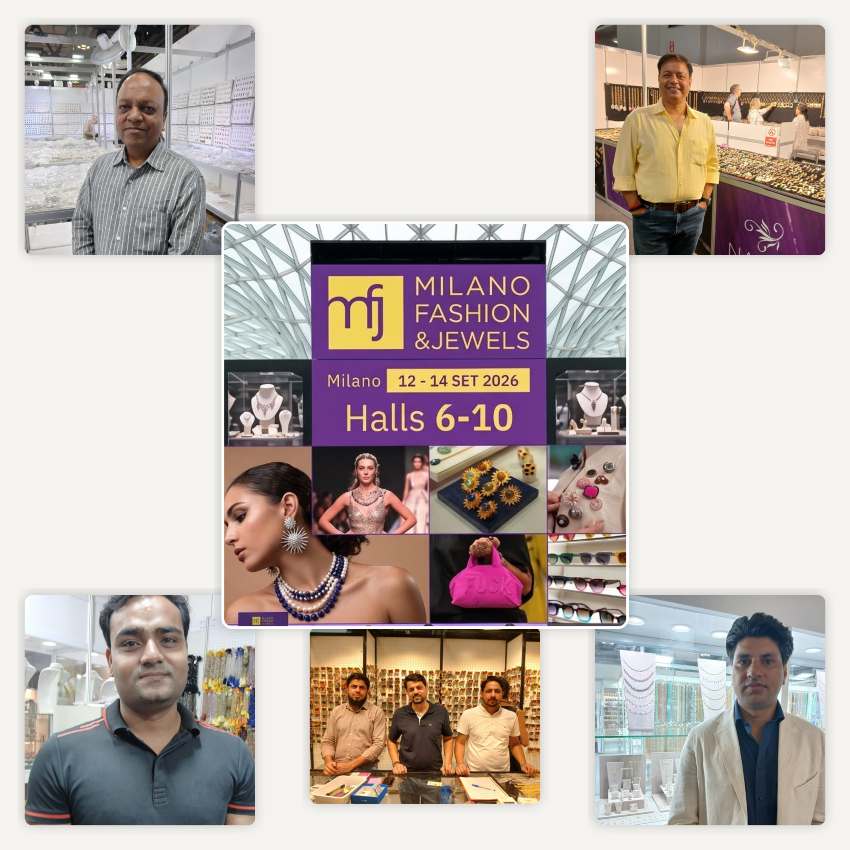
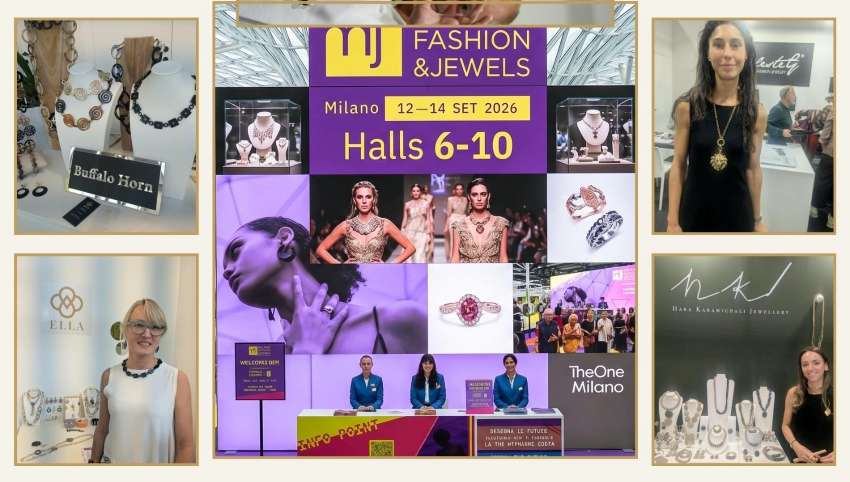
Milano Fashion & Jewels: How ‘Re-Engineered’ heritage crafts are driving hig…
A counter-movement against industrial uniformity is reshaping European bijouterie, transforming authentic craftsmanship into a powerful lever for high-margin boutique growth.... Read more
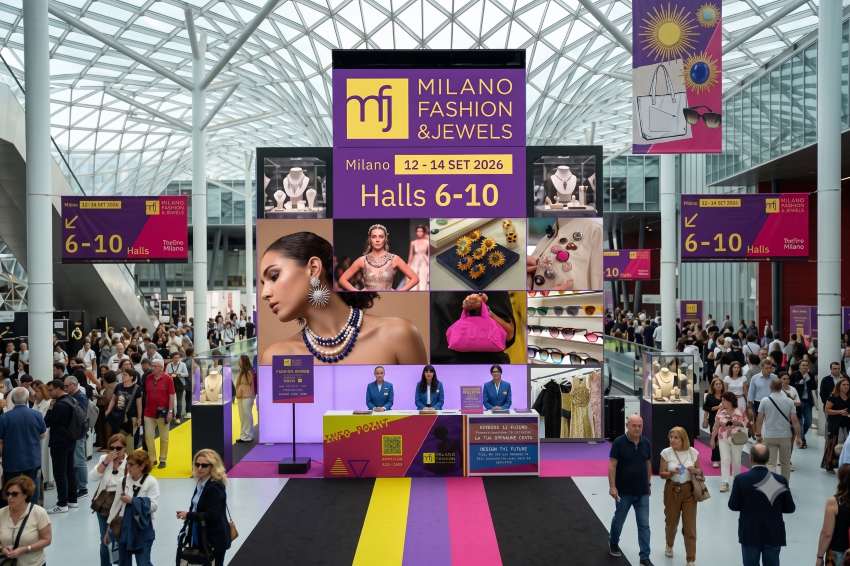
The "Total Look" Retail Revolution: The integration of jewellery, acce…
The conventional boundaries separating fashion jewellery, ready-to-wear and leather goods, have collapsed on the international retail floor. At the September... Read more
Why Rules of Origin could limit India’s FTA gains
India’s growing network of trade agreements promises lower tariffs and wider market access for its textile and apparel exporters. But... Read more
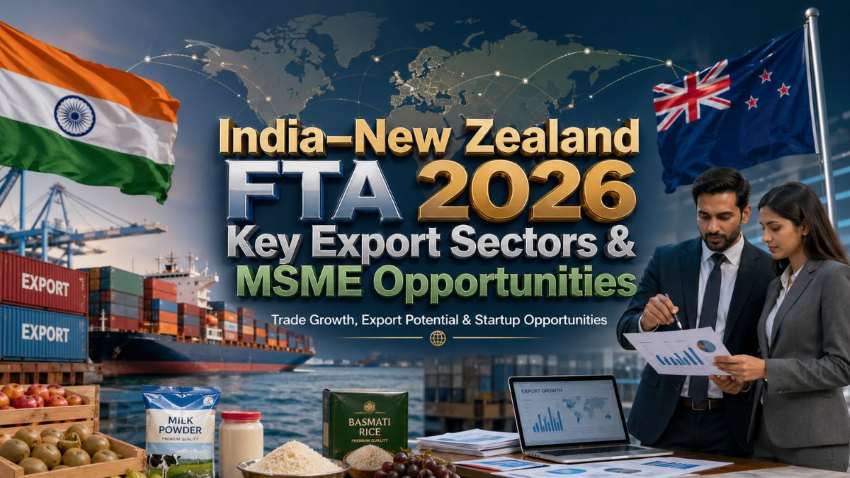
India-New Zealand FTA opens tariff-free route for textile exporters
The India-New Zealand Free Trade Agreement (FTA), which comes into force on October 20, 2026, creates a new tariff-free corridor... Read more
Virgin polyester drives global fibre output to record 139 mn tonnes
Global textile fibre production reached a record 139 million tonnes in 2025, up 5.3 per cent from 132 million tonnes... Read more