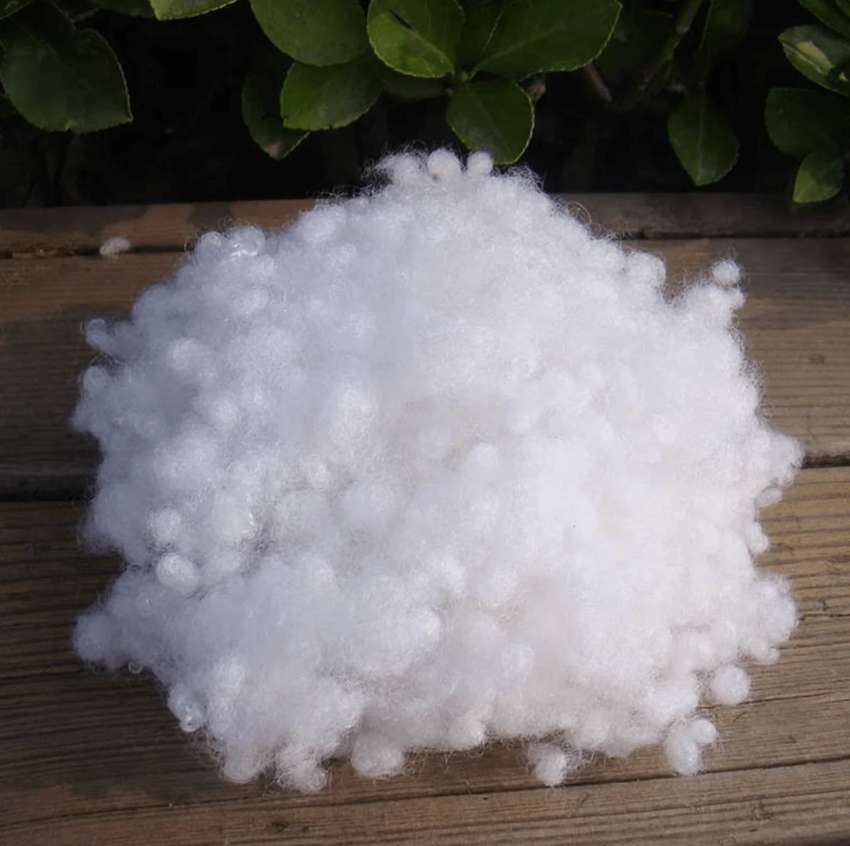
Synthetic fibers have a 62 per cent share of the world fiber market. Synthetic fibers are used in sectors like fashion and apparel, healthcare, aerospace, packaging, electronics and automotives. Rapid industrialization, low production cost, changing consumer preferences for textiles, and increasing disposable income are projected to drive the global synthetic fiber market over the next few years.
Weak supply of natural fibers such as cotton and wool is another factor driving the global synthetic fiber market. Synthetic fibers refer to textile fabrics that are manmade, such as nylon, acrylic, polyester and carbon fiber. Apart from their superior characteristics of adaptability, durability, elasticity, and strength, synthetic fibers are cost effective to make and easier to maintain as compared to other natural fibers such as cotton and wool.
China is the biggest manufacturer of synthetic fibers in the world. India is the second largest. India surpassed Taiwan and the United States as a fiber powerhouse in the mid-2000s, thanks to its huge polyester fiber capacity increase. The demand for synthetic fibers is still high in North America, especially in the US, making it the leading market for synthetic textile fibers produced in Latin America and Europe.
Functional changes are being incorporated in synthetic fibers with little or no hazardous impact on the environment.
Published in
Textiles
Tagged under

Latest from FW
- Armani to divest minority stake to LVMH and L’Oréal
- Home textile sector eyes sleep economy with debut of ‘World of Sleep’
- World Luxury Day 2026 manifesto redefines modern heritage and ethical prestige
- HanoiTex and HanoiFabric 2026 to drive apparel innovation in Vietnam
- Apparel tech shift: Smart stitching takes center stage