The garment and textile industry in Vietnam has begun understanding the needs and concerns of its workers. The industry is investing significantly in improving the welfare of workers so as to develop and sustain a productive and quality workforce. This covers safety of workers, food and transportation and providing minimum wages.
While some companies endorse the concept of zero overtime to ensure that all workers go back home on time, others ensure workers earn well through overtime. The objective in both cases is to provide a better life to garment workers. However, zero overtime can be achieved only with good planning and if factories are well organized.
Social insurance is being worked upon seriously by companies. Apart from routine medical check-ups for employees, they also pay social insurance. An increase in social insurance coverage would boost employee morale and enhance their productivity. The social protection floor means each member of the society will be protected in terms of healthcare, and basic income security for children, and for people who are in active age but are unable to earn sufficiently, and the elderly.
Vietnam has set a target of having 50 per cent of its workforce (across all industries) covered by social insurance by 2020. Nearly three million old-aged people now have pensions.

- 1
- 2
- 3
- 4
- 5
- 6
- 7
- 8
- 9
- 10
From cotton to MMF cost equation is rewriting global textile trade
The global textile and apparel trade has grown from $560 billion in 2006 to $914 billion in 2025, reveals the... Read more
Polyethylene stretch yarn challenges elastane’s hold on activewear
The global activewear, denim and intimate apparel markets have built a substantial business around stretch. But the same fibre combinations... Read more
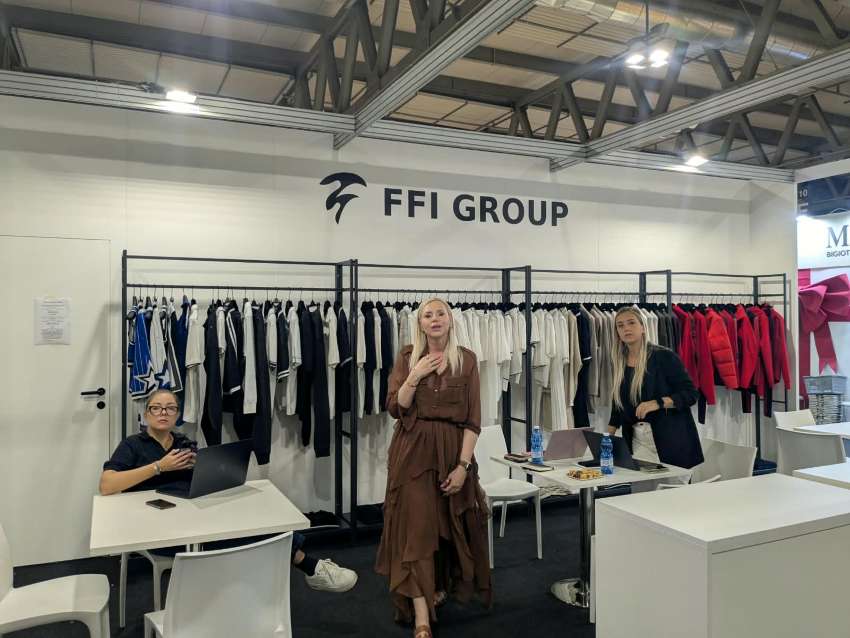
Automation Meets Italian Design: FFI Srl unveils ‘Next-Gen Robotics’ to help bra…
At the recently concluded autumn edition of Ready to Show inside Hall 10 at Fiera Milano-Rho—staged alongside the Milano Fashion... Read more
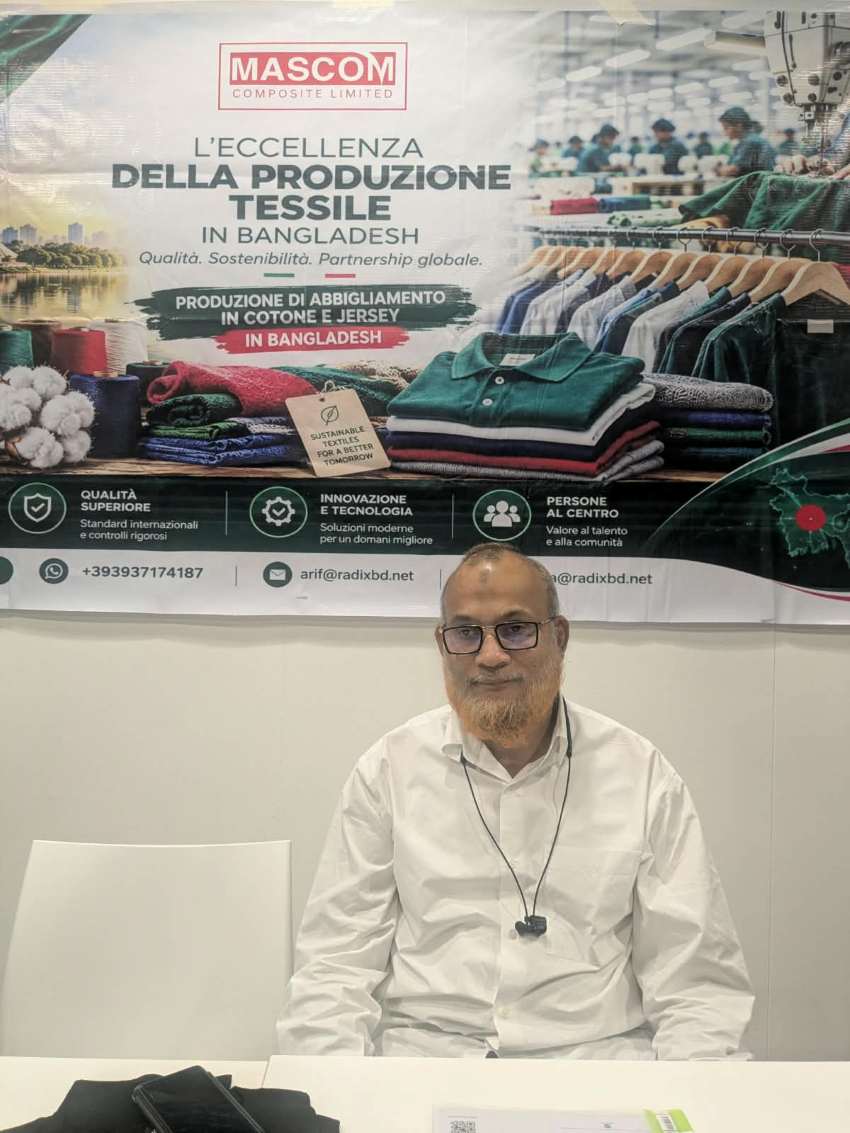
From Dhaka to Milan: Mascom Composite backs Southern Europe’s sports and lifesty…
While the trade floor of Ready to Show Milano inside Hall 10 at Fiera Milano-Rho placed a heavy spotlight on... Read more
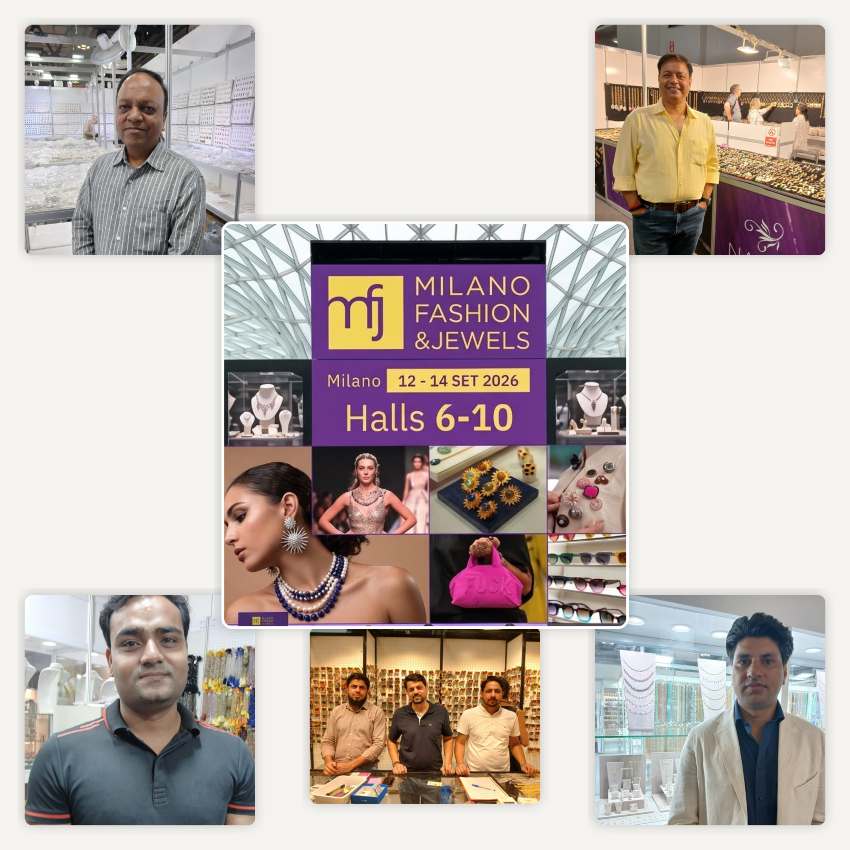
How surging silver prices are reshaping ‘Mid-Tier’ fashion jewellery
Escalating global bullion volatility and raw material pricing pressures are forcing a fundamental reassessment across the mid-tier fashion jewellery trade.... Read more
Milano Fashion & Jewels: How ‘Re-Engineered’ heritage crafts are driving hig…
A counter-movement against industrial uniformity is reshaping European bijouterie, transforming authentic craftsmanship into a powerful lever for high-margin boutique growth.... Read more
The "Total Look" Retail Revolution: The integration of jewellery, acce…
The conventional boundaries separating fashion jewellery, ready-to-wear and leather goods, have collapsed on the international retail floor. At the September... Read more
Why Rules of Origin could limit India’s FTA gains
India’s growing network of trade agreements promises lower tariffs and wider market access for its textile and apparel exporters. But... Read more
India-New Zealand FTA opens tariff-free route for textile exporters
The India-New Zealand Free Trade Agreement (FTA), which comes into force on October 20, 2026, creates a new tariff-free corridor... Read more
Virgin polyester drives global fibre output to record 139 mn tonnes
Global textile fibre production reached a record 139 million tonnes in 2025, up 5.3 per cent from 132 million tonnes... Read more