FW

Shahi Exports, India's leading apparel manufacturer and exporter, unveiled its second Sustainability Report for FY 2022-23, spotlighting robust initiatives across key focus areas. The report underscores Shahi's commitment to environmental stewardship, emphasizing Energy and Emissions Management, Water Efficiency, Chemical and Materials Stewardship, Waste Towards Circularity, Empowered Workforce, Employee Health and Well-being, Fair and Respectful Workplace, and Corporate Social Responsibility (CSR).
Anant Ahuja, Head of ESG at Shahi Exports, highlighted the transformative shifts in the sustainability narrative within the fashion industry. The Sustainability Report serves as a vital tool for tracking progress and identifying avenues for further improvement, aligning strategies with long-term growth objectives.
Key report highlights showcase Shahi's significant strides in environmental targets, notably achieving 92.5MW in renewable energy capacity and eliminating coal from garment factories. The company's commitment earned international and national recognition, including the International Green Apple Environment Award and the Excellence in Performance Award.
On the social front, Shahi's dedication to employee development is evident through investments in upskilling, soft skills training, and initiatives supporting migrant workers. Harish Ahuja, Managing Director and Chairperson, expressed confidence that sustainability efforts will underpin Shahi's success as it approaches its 50th year, advocating for industry-wide transformation through collaboration and shared best practices.
Birla Cellulose, a trailblazer in sustainable fiber solutions, orchestrated a pivotal hub-meet at The Residency in Karur, spotlighting the revolutionary potential of sustainable Man-Made Cellulosic Fibers (MMCF) within the Home Textiles sector. Attended by 175 influential exporters and company owners from the Karur cluster, the event sought to catalyze sustainable innovation in the industry.
At the core of the discussions was the deployment of sustainable MMCF solutions in the Home Textiles arena, providing a pathway to eco-friendly, high-quality products aligning with contemporary consumer preferences for sustainability. Esteemed value chain partners like AGT Mills, PKPN, Kumaran, and Ultimax actively participated, demonstrating a collective commitment to propel sustainable practices across the textile ecosystem.
Distinguished guests, including K. G. Prithvi and S. Gowrisankar, along with industry stalwarts Perumal and Kaliappan, graced the event, endorsing Birla Cellulose's initiative to guide the industry towards adopting the MMCF range. Industry leaders expressed enthusiasm for integrating Birla Cellulose's fibres into their regular product offerings, marking the commencement of an incubation process for sustainable and economical substitutes.
The spotlight was on Birla Cellulose's innovative Spunshades, featuring Color Lock Technology that prevents fabric fading even after multiple washes. The positive response from industry leaders and exporters reflects a promising trajectory for Birla Cellulose's transformative and responsible innovations, as articulated by Sheerish Kumar, Senior Vice-President of Business Development for Home Textiles at Birla Cellulose.
"Veritas," the Spring-Summer 2025 trend book, unveils a fashion landscape where personal truths take center stage, replacing the era of tribal fashion. The Parc des Expositions, Porte de Versailles, will host this revelation from February 5 to 7, 2024, promising an exploration of a world where individual commitment to one's truth is reflected in personal wardrobes.
Artistic directors Louis Gérin and Grégory Lamaud of Texworld Evolution Paris redefine humanity's future through four creative themes, integrating artificial intelligence into pattern designs. "Belief" exudes elegance and discretion with calm, mineral shades dominating, while "Immanence" asserts a talkative bohemian-chic universe, emphasizing new rules through expressive warm colors.
"Knowledge" draws inspiration from nature, transforming classics with strong, contrasting colors on futuristic textures. The most committed theme, "Experience," advocates trusting oneself, featuring bold colors and materials evoking urban and sporty codes.
The themes will debut in Trend Forums at Texworld Paris and Apparel Sourcing Paris, showcasing fabrics and finished products. Attendees can explore looks inspired by selected fabrics and products, with new areas featuring samples illustrating each theme: Highlights Texworld, Highlight Apparel Sourcing, Highlights Elite, and Highlights Denim. The fashion forecast for Spring-Summer 2025 thus presents a unique fusion of individual truths and artistic innovation.
Suedwolle Group is revolutionizing its approach with the launch of ACTIVEYARN, a groundbreaking seasonless corporate collection. More than just a range of yarns for sports applications, ACTIVEYARN signifies a paradigm shift—a call to "Get active" in adopting a novel mindset towards the company's extensive offerings. The collection, spanning weaving, knitting, hosiery, and technical yarns, boasts cutting-edge spinning technologies and features wool blends and traceable natural fibers.
Illustrating this transformative concept is the metaphor of a "kaleidoscope," symbolizing the dynamic change inspiring Suedwolle Group's creativity. ACTIVEYARN encourages individuals to forge new connections, adapt to evolving needs, and explore diverse patterns, colors, and stitches across various applications.
Underpinning this collection are six strategic pillars: innovation, sustainability, circularity, traceability, design, performance, and technology—guiding the entire design and production process. Notable yarns within ACTIVEYARN include Jasmin GOTS Nm 2/48, a GOTS-certified, sustainable wool, and Tirano Betaspun RWS FSC, a fully traceable high-performance yarn suitable for activewear.
Further exemplifying Suedwolle Group's commitment to sustainability is the OTW Midway GRS Nm 2/60, a circular production yarn made from recycled pre-consumer polyamide. The collection also introduces Wallaby Betaspun Nm 1/60, combining Betaspun technology with natural wool for added strength, and Banda TEC X-Compact Nm 2/47, a biodegradable yarn with innovative X-Compact technology.
Caprera GRS Nm 1/60 stands out for enhancing wool-based fibers with COOLMAX EcoMade polyester, derived from post-consumer PET bottles. This addition not only boosts performance but also promotes moisture evaporation, enhancing the comfort of activewear and urban garments. With ACTIVEYARN, Suedwolle Group aims to inspire a new era of creativity, sustainability, and innovation in the textile industry.
The inaugural Pure London x JATC show, a fusion of fashion prowess slated for Olympia London from February 11-13, 2024, is gearing up to introduce a plethora of Australian brands to the discerning UK market. Positioned as an international showcase, this event not only caters to the UK market but extends its reach globally, serving as a gateway for brands, especially those from Australia, to tap into the European market. With the promise of exposure to a diverse audience and the chance to forge connections with key players in the fashion industry, the event stands as a pivotal platform for both new and established brands.
Gloria Sandrucci, Pure London Event Director, expresses enthusiasm about the diverse Australian brands participating, hinting at more additions in the weeks to come. Among the standout entries is The Brave + True, a beloved Australian womenswear brand, showcasing confidence in the UK market with its signature blend of feminine pieces, modern silhouettes, and a contemporary color palette.
In the Sustainable Destination section, Sabine Studios challenges fashion norms with a limited, ethically made collection, embodying a style that seamlessly blends masculinity and femininity. SOEK adds a touch of playfulness to ethical sourcing with its high-quality, fun sunglasses, while Talisman, The Kindred Co, and Esperence & Co bring their unique design perspectives to round out the captivating array of brands set to captivate visitors at Pure London x JATC, The London Festival of Fashion, from February 11-13, 2024, at Olympia London.
Following a 25 per cent surge in cotton production across 10 states, the government plans to extend its successful pilot project beyond March 2024. Launched in April 2023, the project's success is attributed to the government's adoption of best agronomy practices, quality seeds, and high-density planting systems, with evaluation by the Indian Council of Agricultural Research (ICAR).
The pilot project, spanning Uttar Pradesh, Haryana, Punjab, Rajasthan, Madhya Pradesh, Gujarat, Maharashtra, Tamil Nadu, Andhra Pradesh, and Karnataka, contributed to a 5.7 per cent increase in cotton exports during April-October 2023. Commerce Ministry data indicates exports of cotton fabrics, yarns, and handloom products in these states reached $6,877 million, up from $6,509.51 million last year. September's textile production saw a 3.7 percent year-on-year growth according to Index of Industrial Production (IIP) data.
Kulin Lalbhai, Chairman, CII National Committee on Textiles and Apparel, foresees rising demand for textile products as brands adjust inventories and normalize buying patterns. Despite an overall decline in India's textile production, with annual cotton production expected to drop from 37 million bales in 2017-18 to 31.8 million bales in the ongoing fiscal year, as per the Cotton Association of India, the Textile Ministry aims to boost exports. The ministry targets increasing technical textile exports from $2.5 billion to $10 billion in the next five years, notes Anand Ramanathan, Partner at Deloitte India. In pursuit of overall export growth, India actively engages in free trade agreements, boasting 13 agreements with countries including Japan, South Korea, ASEAN nations, and SAARC members.
Launched on December 1, 2023, Rieter's inaugural Repair Services station in Tashkent, Uzbekistan, is set to enhance repair efficiency and reduce production downtime, bolstering the brand's competitiveness in the flourishing market. Operated in collaboration with Textile Service Solutions, the station offers cutting-edge mechanical and electronic repairs for all Rieter machine types, including spinning and winding. Stocking essential parts in its warehouse, such as control units, sensors, and drives, the repair station aims to expedite turnaround times.
As part of Rieter's global Repair Services network, featuring 25 stations in 19 countries, each facility is fully equipped with testing and calibration tools. Certified Rieter repair services engineers conduct both on-site and in-workshop repairs, utilizing original Rieter repair components and spare parts. Rico Randegger, Head of Business Group at Rieter, emphasizes that the new repair station, specializing in both spinning and winding machines, contributes to creating sustainable and profitable value for customers.
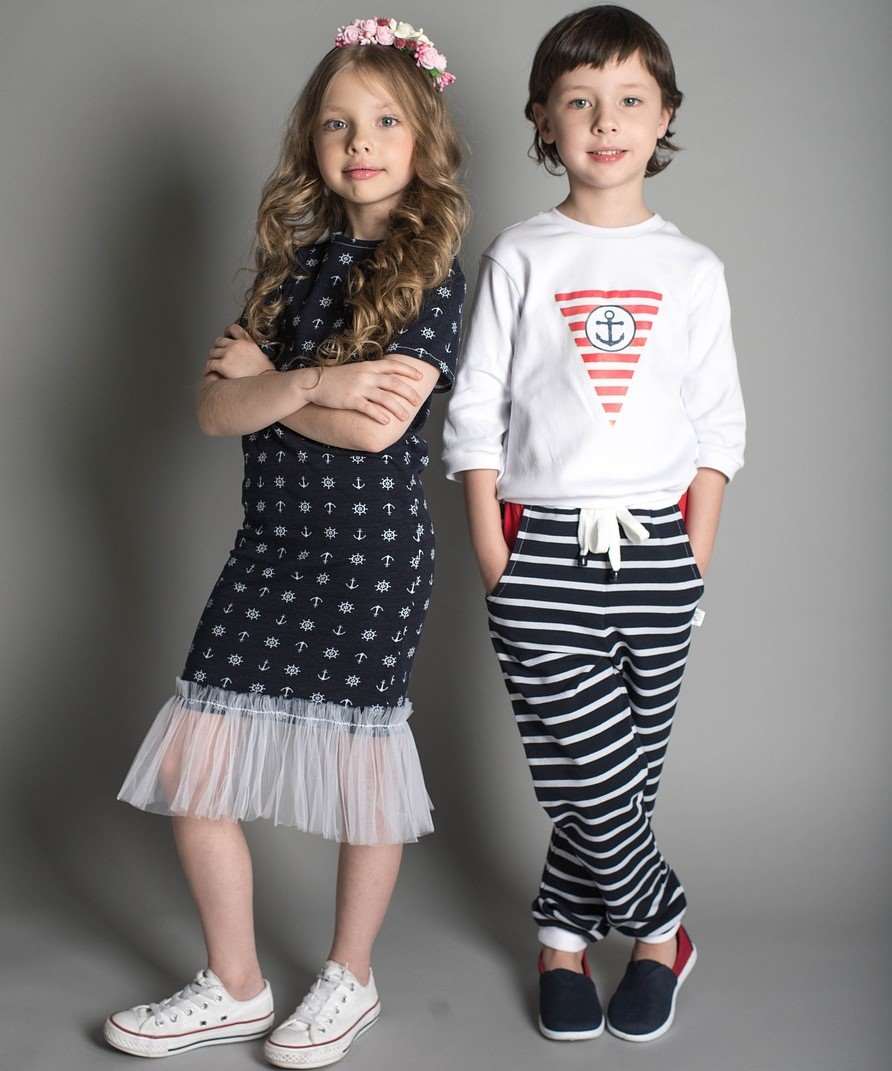
The primary focus when purchasing children’s clothing is on ensuring safety, comfort, and ease of wear. These factors constitute the core value proposition in the global market for kids' wear. Despite the evolution of trends in kid’s apparel sector, cotton remains a fundamental and enduring choice as the staple fiber, catering to the sensitivity of children's delicate skin.
The market is experiencing substantial growth propelled by the demand for sustainable and ethically produced textiles that align with environmental concerns. Additionally, the surge in popularity of gender-neutral unisex clothing and heightened brand awareness among young children, driven by the widespread influence of social media, are key factors contributing to market dynamics.
Market expected to touch $286.9 billion by 2032
The recent ‘Kid’s wear Market’ report from Allied Market Research reveals, global kid’s wear market valued at $194.1 billion in 2022 is projected to reach $286.9 billion by 2032, reflecting a 4.1 per cent Compound Annual Growth Rate (CAGR) from 2023 to 2032. This growth is attributed to factors such as increased discretionary spending, international expansion opportunities, and the expanding reach of online retail fueled by social media.
Brands are responding to these trends by diversifying their offerings, providing a broader range of colors, styles, and designs suitable for all age groups. Kid's wear is witnessing a surge in popularity for garments with stretchable fabrics and adjustable features, emphasizing durability and practicality.
The product landscape is highly versatile, encompassing outerwear like coats, jackets, dresses, tops, et al, as well as bottom wear such as skirts, jeans, trousers, shorts, and leggings. The thriving segment of character licensing and the growing preference for unisex clothing in the fast fashion sector cater to parents seeking budget-friendly options, especially considering how quickly children outgrow their clothes.
In 2022, the boys' segment dominated the market, accounting for over half of the total revenue. Trendy streetwear and simplistic graphic tees are particularly popular among both young teens and smaller children.
As for distribution channels, the report highlights supermarkets and hypermarkets held the largest market share in 2022, contributing to over two-fifths of the market revenue. This dominance is attributed to their support for numerous private label manufacturers and collaborations with popular children's clothing brands.
Indian kids wear driven by infants, toddlers' demand
WGSN, a prominent group guiding offering understanding of consumer needs and shaping future strategies, recently came up with a report on premium kids' stores worldwide, from London to Tokyo. It highlighted, the spectrum of kid’s wear retail market is diverse, encompassing fast-fashion high-street brands to exclusive, high-end labels that make bold fashion statements.
In Korea, the market landscape extends from upscale retail in Gangnam to independent boutiques in Hannam and Seongsu, along with conventional department stores like Namdaemun Market. London showcases a mix of popular high-street names such as Selfridge’s Kid’s wear Collective, niche independent labels like Caramel and Pepa London, and thrift options like Tot Swap Shop and FARA Kids. Interestingly, the pre-loved segment thrives more in kids' fashion, fueled by the fact that children tend to outgrow their clothes within a year or so.
The US boasts of a diverse array of brands spanning various income brackets and lifestyles. Standout outlets include Ralph Lauren Kids, Camp NYC, Shoppe Balloo NY, and Kith Kids & Baby, among many others.
The Indian kid’s wear market has witnessed significant growth, primarily due to the surge in e-commerce. While the unorganized sector commands over 60 per cent of the segment, both the organized sector and the online kids-wear market are poised for rapid expansion. This dynamic sector holds immense potential, particularly among the aspirational middle classes.
The Indian market is significantly driven by demand for infants and toddlers due to a high birthrate compared to Western countries, is set for continued growth. The vast Asia-Pacific region, experiencing rapid urbanization in numerous small countries, secured the highest market share in 2022, contributing to over two-fifths of the overall kid's wear market revenue. Optimistic analysts in India anticipate this trend will persist over the next decade.
The Advanced Recycling Conference (ARC) has emerged as a global leader in recycling innovation, experiencing a remarkable 30% increase in participation, totaling nearly 300 attendees from 26 countries within just one year. Hosted in Cologne, Germany, on November 28-29, 2023, the conference set records in attendance, presentations, posters, and exhibitors, signaling a growing interest in advanced recycling technologies globally. The overwhelming response underscores the industrial community's commitment to sustainability and the urgency for supportive policies amidst rising recycling quotas.
Addressing diverse waste streams, from plastics to textiles, the conference showcased cutting-edge solutions, delving beyond chemical recycling into thermochemical approaches, extruders, and pre- and post-treatment methods. Insightful sessions on "Markets and Policy" and "LCA" informed attendees on sustainability aspects, crucial for meeting ambitious recycling quotas.
The event featured Lars Krause presenting the nova-Institute's latest study on global advanced recycling capacities, highlighting Europe's leading role in chemical recycling. Despite impressive progress, challenges lie ahead, emphasizing the pivotal role of political decision-makers in fostering growth and addressing inadequate framework conditions.
The conference also promoted dialogue between physical and chemical recycling, acknowledging the need for a cohesive approach in closed and open recycling loops. The event left participants motivated to explore new recycling solutions, securing a sustainable future. Looking ahead, the ARC will continue its evolution, with the next edition scheduled for November 20-21, 2024, in Cologne, Germany, and online. The support of sponsors and media partners, including DePoly, Erema Group, and YNCORIS, ensures the conference's positive trajectory, with a commitment to ongoing improvement based on participant and speaker feedback.
RSWM Limited, a subsidiary of LNJ Bhilwara Group, has solidified its market standing by signing a binding term sheet to acquire Ginni Filaments Limited's spinning, knitting, and processing unit in Mathura. Valued at Rs 160 crore, the acquisition is anticipated to be finalized within 90 days, contingent on approvals and definitive document execution.
This strategic move is poised to elevate RSWM Limited's market presence, fostering growth in turnover, workforce, and plant capacity. Positioned as a front-runner in the spinning and knit fabric sector, the acquisition is set to fortify RSWM Limited's production capabilities, with plans for modernization and technological advancements. B M Sharma, Joint Managing Director, underscored the significance of expanding reach and solidifying a pivotal role in the sector.
The acquisition aligns with RSWM Limited's commitment to innovation, as it plans substantial investments in state-of-the-art machinery, including the latest compact ring frames and advanced carding and comber machines. This infusion of technology aims to elevate recoveries, productivities, and product diversity.
Riju Jhunjhunwala, Chairman & Managing Director, and CEO of RSWM Limited, expressed enthusiasm for the expansion beyond Rajasthan, anticipating a surge in turnover by targeting new global customers. The strategic investment in sustainable practices and operational efficiency underscores RSWM Limited's commitment to eco-friendly production.
In conclusion, the acquisition of Ginni Filaments Limited's operations positions RSWM Limited as a dominant force in the spinning and knit fabric sector, ready to thrive in both domestic and international markets. The company's foresighted approach to modernization and expansion solidifies its trajectory for success.