The Indian textile and apparel industry is currently weathering a period of complex recalibration. According to the latest Wazir Textile & Apparel Index (H1 FY26), the sector's performance in the first half of the 2025-26 fiscal year presents a starkly divided picture: while apparel sales are surging, profitability across the board is under pressure, and the core textile segment is facing a noticeable cooling period.
A Tale of Two Segments: Apparel gains while textiles slow
The report highlights a significant divergence between the Wazir Textile Index (WTI) and the Wazir Apparel Index (WAI). The core textile segment has seen a contraction in performance as the WTI sales index dropped by 4% in H1 FY26 compared to H1 FY25. This slowdown was accompanied by a decline in profitability, with the WTI EBITDA index falling by 2% during the same period. Among the top players, Welspun Living and Indo Count saw sharp standalone sales declines of 18%, while Indorama Synthetic bucked the trend with a significant 33% growth spurt.
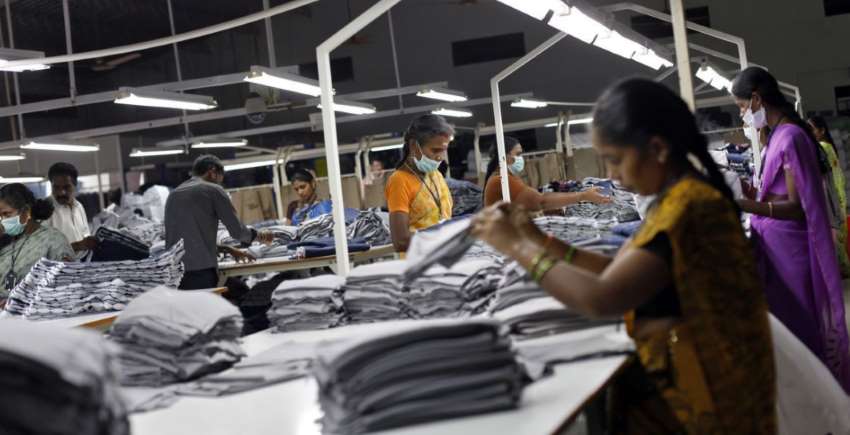
In contrast, the apparel sector is witnessing robust top-line growth, with the WAI sales index jumping by 9% year-on-year. However, a significant profitability gap has emerged; despite higher sales, the WAI EBITDA index plummeted by 17%. This suggests that while consumers are buying more, manufacturers are grappling with significantly higher operational costs or pricing pressures. Star performers in this segment included SP Apparels, which led the pack with a 27% increase in sales, followed by Pearl Global Industries at 13%.
Consolidated Performance: Revenue up, margins thin
When looking at the broader market—comprising 310 listed companies—the industry appears to be expanding in volume but staying flat in value. Consolidated sales for all listed textile and apparel companies reached Rs. 93,492 crore in H1 FY26, representing an 11% increase over the Rs. 84,370 crore recorded in H1 FY25. While this 11% increase in total sales is a positive signal for demand, the stagnation of consolidated EBITDA margins at 8% indicates that the industry has not yet managed to translate higher revenues into better bottom-line efficiency. Global headwinds and export realities
The export landscape remains a primary concern for the industry, as overall Textile & Apparel (T&A) exports grew by a marginal 1% in H1 FY26. Category shifts reveal a nuanced story: while apparel exports rose by 4%, the filament category saw a massive 28% collapse in export value. The USA remains the largest buyer, though its share of Indian T&A exports dipped slightly to 28% from 29% the previous year. Interestingly, India’s T&A imports rose by 15%, driven by a 25% increase in fabric imports, signaling a potential reliance on external raw materials to meet domestic or export demand.
The Road Ahead: PLI and modernization
As companies review medium to long-term growth plans, particularly in Man-Made Fibre (MMF) based textiles and apparel, the Production Linked Incentive (PLI) scheme continues to be a relevant consideration for the industry. For organizations evaluating the applicability of the PLI scheme, strategic support through eligibility assessment and implementation planning will be vital to turning stagnant margins into sustainable growth.