FW

Driven by the approaching Christmas holiday season, India's textile exports are on the rise, buoyed by increasing demand from Western markets. Following the successful clearance of excess inventory, the country's textile production and export activities are rebounding after a year of contraction. In September, textile exports recorded their third consecutive month of growth, with production growing 3.7 per cent year-on-year, as per data released by the Index of Industrial Production (IIP).
Sanjay Jain, Chairman of the National Expert Committee at the Indian Chamber of Commerce, envisions a robust revival, suggesting that India's textile exports may experience a surge of 8 to 10 per cent in the fiscal year 2024. Statistics from the Ministry of Commerce and Industry indicate a substantial 5.7 per cent increase in India's exports of cotton, fabric, yarn, and handloom products during the April-October period compared to the preceding April-August timeframe.
Despite these positive trends, the industry has yet to attain pre-COVID production levels, with data from the Ministry of Statistics and Program Implementation (MOSPI) revealing a 6.5 per cent shortfall compared to the 2019-20 period.
Sunil Kumar Sinha, Principal Economist at Ind-Ra, emphasizes the significance of global trade conditions for the long-term recovery of India's textile production and exports.
Fashion visionary Dapper Dan has unveiled a new collaborative collection with Gap, paying homage to the vibrant Harlem community. The extensive collection boasts 18 distinct garments available in both kids and adult sizes. Included are eye-catching graphic logo hoodies emblazoned with 'Harlem' and the Dap logo, complemented by matching logo sweatpants in a stylish houndstooth print. Additionally, the lineup features accessories such as tote bags with chic clutch inserts, baseball hats, socks, and a signature logo ascot.
The collection caters to a wide audience, from toddler sizes 2T to adult XXXL. Fashion enthusiasts can anticipate the launch on gap.com scheduled for December 5. The collection will also be stocked in 13 Gap stores worldwide.
This collaboration marks the continuation of Gap's partnership with Dapper Dan, which commenced in 2022 with the retailer's spring campaign. In a previous limited-edition release, Gap featured a logo hoodie adorned with the words "Dap Gap." Additionally, the brand ventured into the world of NFTs, auctioning exclusive digital assets designed in tandem with Dapper Dan. The NFT collection boasted a one-of-a-kind digital varsity jacket crafted by the visionary designer, accompanied by a special-edition physical version personally signed by Dapper Dan himself.
Texworld NYC, a leading textile and apparel industry show, is set to expand its 'Local Sourcing' zone in January to meet the increasing demand for innovative and reliable sourcing options across the US. In collaboration with SEAMS, the premier association for US sewn products over the last 50 years, Texworld NYC aims to strengthen the American supply chain. SEAMS, representing 200 of America's top fashion brands, retailers, manufacturers, and textile providers, plays a pivotal role in driving the 'Made in America' label.
The Local Sourcing segment, a crucial area for Texworld NYC attendees, offers domestic resources to visitors. Its expansion, coupled with the partnership with SEAMS, creates a platform for exhibitors and attendees alike.
Ron Roach, President of SEAMS, emphasizes that the collaboration presents a united front for the industry, providing opportunities for exploration in the education sector and engaging in vital discussions with SEAMS industry leaders.
The synergy between Texworld NYC and SEAMS will not only showcase the best of American production but also facilitate meaningful dialogue, notes Jennifer Bacon, Vice President of Fashion and Apparel at Messe Frankfurt Inc.
An article in China’s People's Daily Online says consumers should adopt a more pragmatic approach when it comes to clothing prices in the country. The advice is to focus on purchasing reliable products with a longer lifespan.
As per National Bureau of Statistics stats, China's clothing and garment sales experienced a year-on-year growth of 12.8 per cent, reaching 725.7 billion yuan in the first nine months of the fiscal year. Production of down jackets is flourishing, as indicated by information from the China Feather and Down Industrial Association. Chinese consumers are increasingly favoring locally designed products with functional fabrics, leading to a surge in sales of domestically manufactured down jackets.
Skypeople, an emerging Chinese brand, is raising prices on most of its winter apparel products. Currently, the brand charges between 2,800 yuan and 7,000 yuan for its high-end products in China, almost ten times the price of other apparel in the country.
Despite this, some local customers believe the expansive Chinese market accommodates brands with various pricing levels to coexist simultaneously. This allows consumers the freedom to choose between basic and moderately priced jackets and those targeting the premium class. Bosideng, China's largest down-clothing producer, is selling down jackets at a price exceeding 1,000 yuan. In the last six months leading up to September, Bosideng's flagship brand has seen a 25 per cent increase in sales and earnings, while its mid-priced brand, Snowflying, has recorded a significant growth of 52.5% in sales.
Spanish fashion giant Mango has teamed up with the British-Indian company Materra for a collection using regenerative cotton, slated for a 2024 launch.
In a concerted effort to elevate its sustainability profile, Mango underscores the positive impact of regenerative cotton on both the environment and the livelihoods of those involved in its cultivation. As per Mango, this collaboration not only champions sustainability but also grants the brand the ability to achieve full traceability in its cotton supply chain.
Materra's Co Farm platform plays a pivotal role in this partnership by assisting Indian farmers in gathering critical data on soil and crops. The platform also facilitates the monitoring of soil health and water usage. This technological integration ensures a comprehensive and transparent approach to sustainable cotton production.
Andrés Fernández, Mango's Director of Sustainability and Sourcing, emphasizes this collaboration aligns with Mango's broader sustainability strategy, titled ‘Sustainable Vision 2030’. This overarching plan strives for 100 per cent sustainability in all fibers used by the brand by the year 2030. As a part of this strategy, Mango is not only introducing a regenerative cotton collection but also unveiling a sustainable denim line. Additionally, the brand is forging a partnership with Pyratex, further solidifying its commitment to sustainable and ethical practices in the fashion industry.
In the evaluation report spanning 2020-33, the European Union (EU) has raised apprehensions about human and labor rights issues in Bangladesh under the Generalized Scheme of Preferences (GSP). Despite Bangladesh's regular reporting on the National Action Plan for the Labor Sector since 2021, concerns persist, particularly regarding limited progress in human rights and freedom of association. The EU, which released the assessment report on November 21, 2023, cautioned that GSP preferences might be withdrawn in the face of substantial and systematic violations of core human and labor rights conventions.
The EU has enhanced its relations with GSP beneficiary nations, including Bangladesh. Mohammad Abdur Razzaque, Chairman of Research and Policy Integration for Development (RAPID), acknowledges the validity of GSP concerns and commends the EU's meticulous investigation process.
In a parallel development, US President Joe Biden signed a memorandum on global worker empowerment and rights on November 16, 2023, signaling a commitment to international labor standards. Bangladesh's RMG sector, the largest beneficiary of EU's GSP facilities, is closely monitoring the situation, with industry leaders like Faruque Hassan expressing optimism that the EU will consider the impact on workers before taking any drastic measures. The assessment report, however, may intensify international scrutiny on Bangladesh's labor quality, prompting the need for legal support in recent labor movement-related lawsuits, according to Khandaker Golam Moazzem, Director-Research at the Centre for Policy Dialogue (CPD).
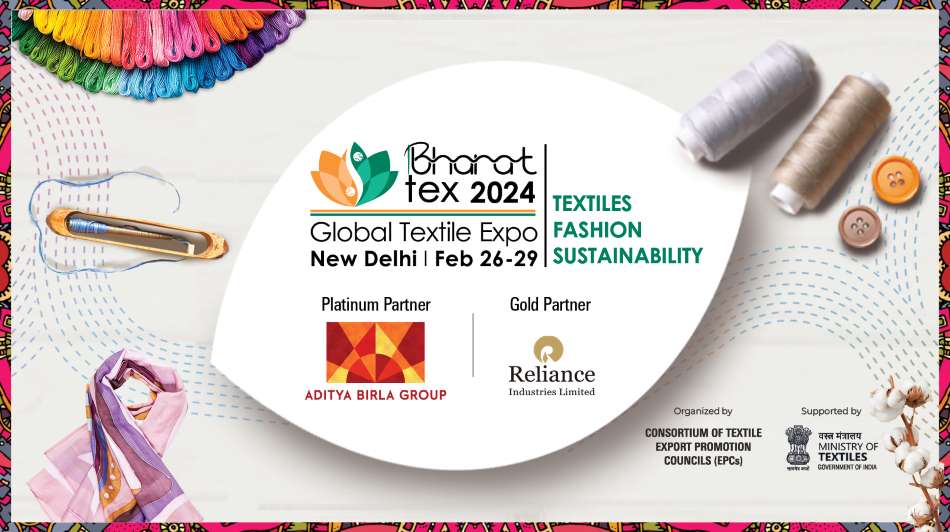
Scheduled from February 26-29, 2024, in New Delhi, Bharat Tex 2024 is poised to be a global textile mega event with a keen focus on sustainability and building resilient supply chains. This four-day gathering is being organised by 11 Textile Export Promotion Councils, in conjunction with Ministry of Textiles.
Bharat Tex 2024 aims to comprehensively cover the entire textile value chain, offering a diverse array of activities including exhibitions, knowledge sessions, thematic discussions, Government-to-Government (G2G) meetings, Business-to-Business (B2B) networks, Memoranda of Understanding (MoU) signings, product launches, thematic and interactive pavilions, and various other engaging events.
Expected to draw a distinguished audience, the event is looking to attract policymakers, global CEOs, and more than 3,500 exhibitors from across the globe. Additionally, it will host 3,000 overseas buyers and attract the attention of over 40,000 domestic buyers.
Bharat Tex 2024 is set to feature dedicated pavilions highlighting Sustainability and Recycling, along with thematic discussions centered on resilient global supply chains and digitization. Attendees can explore interactive fabric testing zones, witness product demonstrations, and partake in masterclasses conducted by craftspeople boasting a rich heritage spanning three generations.
Tailored to captivate top-level policymakers, business CEOs, textile visionaries, international networks, designers, and master craftspeople, Bharat Tex 2024 promises exclusive, invitation-only discussions with policymakers and offers unique partnership opportunities with global businesses. The event aims to facilitate meaningful engagements, enabling businesses and institutions to explore sourcing opportunities in cutting-edge areas such as sustainable supply chains and evolving global manufacturing models.
Spanning 2,00,000 sq. m area, the exhibition will showcase a diverse range of products, including apparel, home furnishings, floor coverings, fibers, yarns, threads, fabrics, carpets, silk, textiles-based handicrafts, technical textiles, and more. Bharat Tex 2024 is poised to be a dynamic platform where innovation, sustainability, and tradition converge in the global textile landscape.
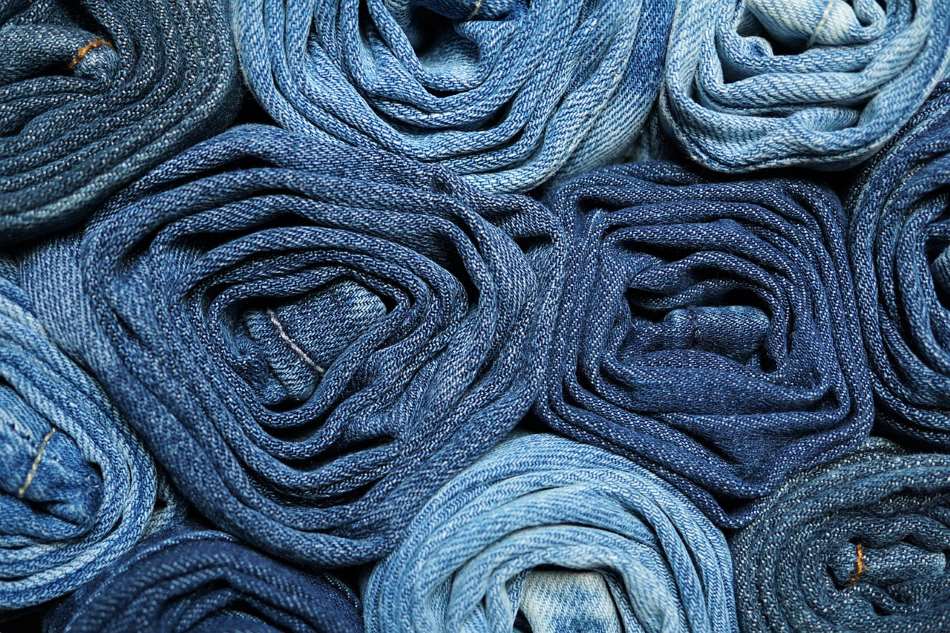
After the crazy times of Covid, the way we see denim is changing. Now, everyone's into being eco-friendly and thinking more about the planet. The fashion world, dealing with money ups and downs and global issues, isn't growing as fast. Big clothing companies had big plans for denim, but now it's not the superstar anymore; it's more about keeping things steady.
Even fancy brands are all about going green. Making denim, it turns out, isn't great for the environment. Levi Strauss spilled the beans on making their famous 501 jeans – it takes a whopping 3,000 liters of water and pumps out 20 kg of carbon dioxide and other gases before it even hits the store. Growing the cotton needed for jeans uses lots of pesticides and fertilizers, which aren't good for people or the planet. And forget natural indigo dye – now it's all synthetic, with nasty stuff like formaldehyde and cyanide.
In some poorer countries where they make jeans, they let the leftover dye go into rivers and seas. And making cool-looking jeans involves more chemicals like sandblasting, stonewashing, and acid-washing. It's a real mess for the environment. Indeed, the denim world needs to rethink things to keep up with the push for a more eco-friendly future.
Slowdown in global market growth
As per the ‘Global Strategic Business Report on Denim Jeans’ published by GlobeNewswire, global denim jeans market, valued at approximately $70.1 million last year, is projected to touch about $114.6 million by 2030. This represents a 6.3 per cent compound annual growth rate (CAGR) during the 2022-2030 forecast period. However, the growth is facing obstacles due to sustainability concerns, disruptions in global supply and distribution chains, and consumers tightening their purse strings.
In 2022, the denim jeans market in the US was estimated at $20 million, a front-runner in this sector. China, bouncing back strongly in post-Covid as the world's second-largest economy, is expected to reach a market size of $25.9 million by 2030, at an impressive 8.9 per cent CAGR over the forecast period. Other countries contributing significantly to denim market sales include Japan, growing at 3.4 per cent, and Canada, at 5.1 per cent. Within Europe, Germany is anticipated to grow at 3.9 per cent CAGR. Despite these positive projections, challenges such as sustainability issues and supply chain disruptions are influencing the trajectory of the global denim market.
Trade shows boost sustainably awareness
However, even in this scenario, denim trade shows are still happening worldwide, although many in the industry are unsure about the future of this market. The Denim Premiere Vision Trade Show, a major event in Milan held in November, drew approximately 2,322 attendees – a 15 per cent increase from 2022. And despite the turnout, some exhibitors reported a dip in sales, with an overall decrease of around 20 per cent in 2023.
The current fashion scene showcased a comeback of vintage and worn-in styles, featuring loose-cut full cotton designs rather than the previously popular skinny jeans. Stretch denim seems to be taking a backseat.
A standout player in sustainability, Milan-based Pure Denim, a leading luxury denim fabric developer known for innovation, shone the spotlight on its exclusive Smart Indigo dye technology. This process involves an electrochemical application followed by a protective coating derived from orange peel and a finishing touch via the EcoSonic ultrasound system and other cutting-edge natural methods.
Indeed, these high-profile trade shows serve as crucial platforms for denim suppliers to connect with premium and luxury brands globally, signaling a renewed interest in this segment. With growing emphasis on eco-friendly manufacturing practices that reduce pollution, water, and energy use, many global denim brands are paving the way for a more sustainable future in the denim industry, promising long-term profitability.
Fashion brands have not fully embraced sustainable practices involving chemical recycling, particularly in adopting innovative methods to transform old textiles into new ones for a more eco-friendly approach. High-tech materials like circulose-containing viscose, utilized in these fabrics, are not readily available and come with a significantly higher cost compared to traditional virgin materials derived from oil, cotton, and wood.
Despite increased awareness of plastic waste crisis in the post-COVID era, there is lack of enthusiasm among fashion brands to prioritize the use of these environmentally friendly materials. This trend raises concerns, with environmentalists predicting by 2050, global plastic waste could accumulate to a staggering 400 million metric tonnes. A recent National Institute of Environmental Health Sciences (NIEHS) report ‘Plastics: The Potential and Possibilities’ underscores India alone contributes an average of 3.4 million metric tonnes of plastic waste annually.
The heightened focus on creating a greener environment in a post pandemic world emphasizes the urgency of addressing the plastic waste issue. However, the slow adoption of sustainable practices in fashion industry remains a significant obstacle to making meaningful progress in combating this environmental crisis.
Apparel segment tackles plastic waste
As plastic waste is predominantly non-biodegradable, it undergoes a slow breakdown into smaller fragments over decades, posing a persistent threat to various animal, plant species. The fashion industry is gradually addressing this issue by moving beyond the production of biodegradable bags and is actively engaged in transforming fashion through the utilization of recycled plastic, although there is still room for improvement.
One promising avenue is recycled polyester, which utilizes fibers derived from plastic bottles. This approach offers a significant opportunity to repurpose plastic waste more efficiently and diminish the carbon footprint of the fashion sector. Circulose, a pulp typically made from recycled cotton, is gaining popularity in the creation of clothing materials, particularly in combination with circulose-containing viscose, producing fashionable garments that offer an excellent fit.
Renewcell AB, a Sweden-based company specializing in circulose production, introduced its first commercial recycling plant in 2022 with a substantial capacity of manufacturing 60,000 metric tons of pulp. Despite this, the company has faced challenges, experiencing low order levels from major retailers such as Zara, H&M, and Levi Strauss. Meanwhile Renewcell reports recent stock value decline of over 80 per cent and an operating loss of $17 million for the first nine months of 2024.
Recycled polyester, circulose gain popularity
Zara and H&M have incorporated circulose-containing viscose into many of their garments, offering a luxurious, silky feel that drapes elegantly, especially suited for fitted tops and dresses. Renewcell's pulp, a key component in circulose, proves versatile, as it can be spun into yarn, woven, or knitted into fabrics. Remarkably, a ton of cellulose can yield three tons of viscose fibers, translating to approximately 20,000 T-shirts.
H&M, as the primary shareholder in Renewcell, is actively committed to increasing the use of recycled materials, aiming for 30 per cent by 2025. Inditex, a major player in the fashion industry with 621,244 tons of clothing sold last year, is similarly focused on incorporating 25 per cent new sustainable fibers by 2030.
However, not all fashion retailers are aligning with sustainability goals. Boohoo, a UK-based online fashion retailer, faced criticism for not upholding its promise of sustainable clothing. Allegations of low pay and poor working conditions in their factories have tarnished the company's efforts to supply items at lower costs.
The adoption of recycled polyester is touted as a greener alternative, consuming significantly less energy than virgin polyester production and resulting in fewer greenhouse gas emissions. Sustainable fabric production not only aids in conserving water resources but also mitigates the adverse effects associated with traditional textile production, which often involves the use of harmful chemicals. As the apparel industry looks ahead, embracing sustainable practices emerges as a crucial pathway to a more environmentally conscious future.
Around 250 brands are expected to attend the 60th edition of Salon International de la Lingerie.
To be held at the Porle de Versailles in Paris, the trade show will showcase lingerie, corsetry, activewear, loungewear, hosiery and men’s underwear.
Launched in 1963, Salon International de la Lingerie is the world’s biggest lingerie trade show. The event showcases lingerie, corsetry, activewear, loungewear, hosiery, men's underwear, swimwear and wellness products.
In this year’s event, the "Natural Elegance", zone will showcase natural materials in lingerie and loungewear. The zone will also focus on eco-responsibility and certifications. The "Weaving Heritage", zone will showcase Lyon's textile heritage around jacquard and interwoven yarns, will be showcased.
Adopting a new format, the event will hold three shows dedicated to three themes of refinement and embellishments, colors and the season’s ‘it’ products and key pieces.
The event will also host conferences to introduce new product trends, materials and market. It will also organise a discussion on men's underwear, relocation, innovation and partnerships.