FW

Better Cotton, the world's largest cotton sustainability initiative, has launched a first-of-its-kind traceability solution for the fashion and textile sectors. The solution will provide visibility of cotton's journey through the supply chain and enable companies to accurately trace and disclose the origin of raw materials.
Companies are increasingly expected to verify the origin of raw materials and address the potential adverse effects of their activities on human rights and the environment. Better Cotton's traceability solution will give companies confidence that they are sourcing product from a specific country and establish greater supply chain visibility.
Traceable Better Cotton is defined as the 'physical' Better Cotton within a cotton-containing product that has been tracked through the supply chain. It differs from Better Cotton's Mass Balance Chain of Custody model, which tracks the volume of cotton produced and ensures this never exceeds the volume of cotton sold.
Suppliers will log transactional information on the Better Cotton Platform to track where Better Cotton has originated from and how much is within a product. Traceability will span the cotton ginning stage right through to the retailer or brand.
Better Cotton's Chief Executive Officer, Alan McClay, commented: "Traceability at scale for cotton will drive a seismic shift within our industry's supply chains. Better Cotton's traceability solution is poised to help the industry deliver that shift. Never before has transparency been as imperative as it is now to our retail and brand members."
Katharine Beacham, Head of Materials and Sustainability at Marks & Spencer, said: "We're delighted to be part of this first-of-its-kind solution which will enable us to track our cotton at scale along the supply chain."
Better Cotton's traceability solution is a significant step forward for the cotton industry and will help to drive more sustainable and transparent supply chains.
Kontoor Brands, Inc. (NYSE: KTB), the global lifestyle apparel company known for its iconic brands Wrangler® and Lee®, reported Q3 2023 financial results. The quarter showcased robust revenue growth and profitability, exceeding expectations when excluding a duty charge. Their strategic brand investments drove growth in U.S. point-of-sale (POS) and market share in core U.S. wholesale, along with a strong quarter in Direct-to-Consumer (DTC).
An innovative exhibition named "News From The Future" involved students from Dutch art and fashion schools who participated in the "Classroom of the Future: the Stories Behind Cotton" program, emphasizing sustainability and bridging the MBO and HBO educational gap.
Q3 revenue reached $655 million, showing an 8% increase, with U.S. revenue at $506 million (a 12% increase) driven by strong U.S. wholesale and DTC, while international revenue was $149 million (a 4% decrease due to lower wholesale in China).
The Wrangler brand achieved global revenue of $445 million (9% increase), and Lee brand earned $208 million (5% increase). However, the gross margin decreased to 41.5% due to a duty charge and inventory management actions. Adjusted EPS is expected to be approximately $4.35 for 2023, with a focus on increasing cash generation.
The Chairman of the All Pakistan Textile Mills Association Southern Zone, Zahid Mazhar, has vehemently opposed the recent substantial surge in gas tariffs for export-oriented industries, emphasizing its potentially devastating consequences for the already struggling textile sector.
The unprecedented 118% increase in gas prices, soaring from Rs. 1,100/MMBTU to Rs. 2,400/MMBTU, is expected to inflict further damage on Pakistan's exports, particularly in the textile domain. This price hike disproportionately affects textile industries in Sindh and Balochistan compared to those in Punjab. It deviates from earlier assurances that natural gas tariffs for export process and export captive industries would be equivalent, introducing a discriminatory price difference of Rs. 300/MMBTU.
Mazhar highlighted that this gas tariff surge, coupled with high electricity costs, poses a severe threat to an industry already grappling with exorbitant markup charges and input expenses. While the Oil and Gas Regulatory Authority (OGRA) had recommended a modest increase of Rs. 250/MMBTU, the government opted for a staggering Rs. 1,300/MMBTU hike, raising doubts about its commitment to supporting the export sector.
He expressed concern about the underutilized capacity of textile industries in Sindh and Balochistan due to gas supply shortages, leading to a loss of around 20% in exports. The soaring gas prices could force these industries to shut down, leading to increased unemployment and potential social unrest.
Mazhar urged the government to focus on eliminating gas theft and leakages to reduce the gas circular debt instead of raising prices. He also called for attention to reducing Unaccounted for Gas (UFG) and criticized the burden of cross-subsidies falling on the export sector. He appealed to the government to reconsider the gas price increase to prevent further harm to Pakistan's deteriorating economy.
Better Cotton, the world's leading cotton sustainability initiative, has unveiled a groundbreaking traceability solution for the fashion and textile sectors. Developed over three years, this innovation allows stakeholders to monitor cotton's journey through the supply chain via the Better Cotton Platform.
Partnering with prominent retailers and brands such as H&M Group, Marks & Spencer, Walmart, and more, Better Cotton ensures that fashion companies can transparently trace raw material origins, complying with emerging regulations.
The demand for verifying raw material origins is growing as companies seek to address human rights and environmental concerns. Traceable Better Cotton provides retailers and brands with confidence in sourcing specific countries and enhances supply chain visibility for improved diligence.
In the future, Better Cotton aims to expand traceable Better Cotton availability, facilitate environmental assessments, and enable credible claims. This innovation differs from the Mass Balance Chain of Custody model and comes with specific compliance requirements for suppliers.
Alan McClay, CEO of Better Cotton, highlighted the importance of transparency, emphasizing its industry-transforming potential. Marks & Spencer, a partner in this initiative, also lauded the traceability solution for its ability to track cotton at scale in the supply chain.
Sustainability is no longer just a buzzword, it's the driving force behind the fashion industry's evolution. Every decision a fashion brand makes design to where sourcing of raw materials, how the products are created even how they communicate their values must resonate with consumers.

Credit Lenzing
An important part of a sustainable business is accounting for where raw materials come from. While sustainable sourcing can be a challenge due to the complex nature of global supply chains and market dispersion, stakeholders increasingly expect companies to maintain updated information on feedstock origin and demonstrate their efforts to mitigate environmental and social risks associated with sourcing.
Tough tracing raw materials’ origin
In the fashion industry, it's not uncommon for companies further down the supply chain to face challenges when it comes to tracking the origins of their raw materials. However, certification helps in maintaining credibility and transparency within this complex landscape.
Here's how it works: Accredited third-party auditors step in, meticulously reviewing suppliers' documentation and practices on an annual basis. Following a rigorous assessment, they issue certificates that serve as a clear and compelling testament to the sustainable origins of these materials. This process not only bolsters the industry's integrity but also provides valuable assurance to all stakeholders.
Generic labels like ‘eco-friendly’ and ‘environmentally responsible’ are insufficient because they lack concrete information on specific production stages. This is where third-party audits come in to ensure transparency and accountability.
Building trust with custody certifications
One such assurance is the PEFC chain of custody certification, which is a mechanism for tracking certified material from the forest to the final product. It can be integrated into a brand’s supply traceability system and is a valuable solution that provides evidence of sustainable sourcing from certified forests. PEFC certification enables companies to substantiate claims regarding the use of forest-based materials from certified sustainably managed forests.
Credit Lenzing
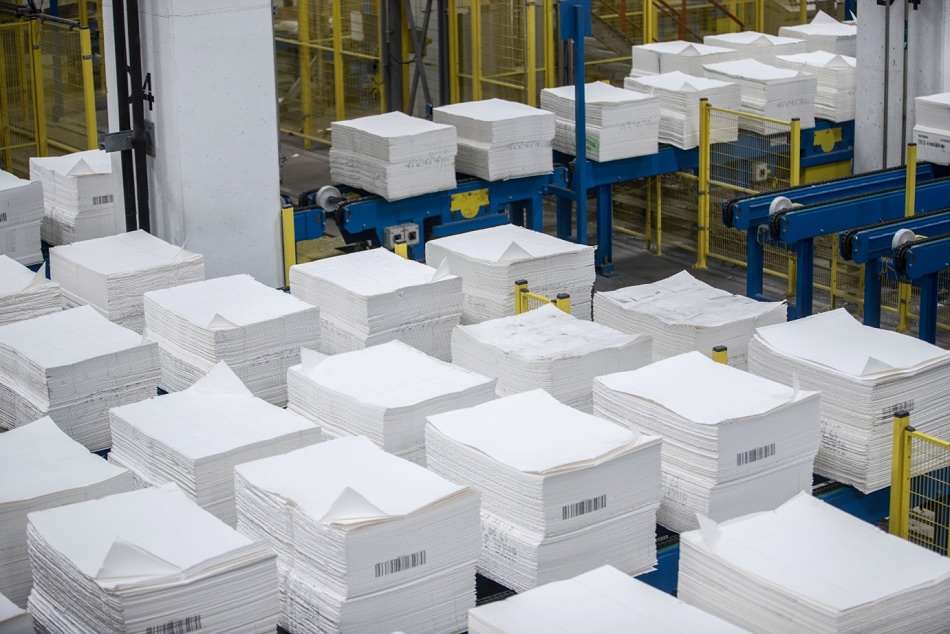
The chain of custody certification means that retailers purchasing final products are absolutely certain that controversial forest materials are excluded and that the process of manufacturing itself aligns with deforestation, biodiversity, and climate commitments.
Certification plays a crucial role in facilitating responsible sourcing of forest-based materials and establishing traceability between products and PEFC-certified sustainably managed forests. This certification covers the entire supply chain, including logging, fibre production, spinning, dyeing, weaving, garment manufacturing, and the final product, and helps to eliminate the materials that come from controversial sources, such as those linked to illegal logging, deforestation, or human rights violations.
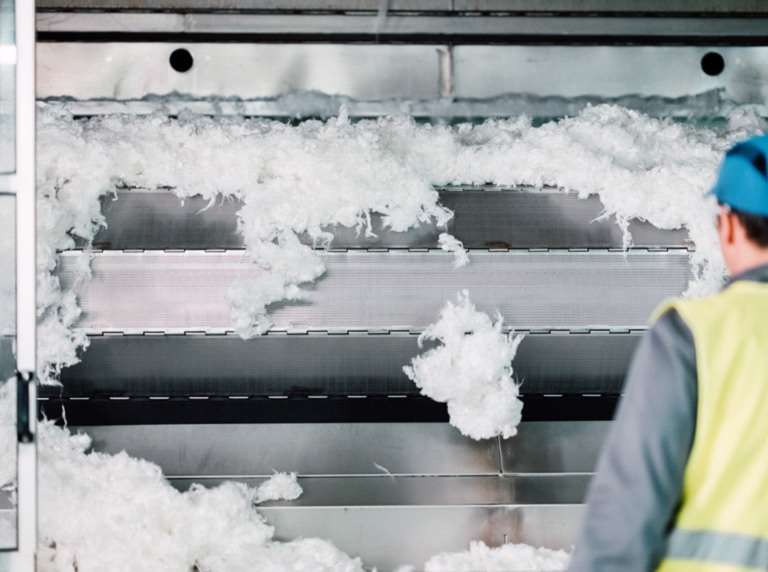
Credit Lenzing
The Lenzing Group is an international fibre production company working off nine production sites across the world, providing dissolving wood pulp that’s the basis for textile fibres for a variety of apparel. Having established a fully PEFC-certified sourcing pipeline, they consistently assess all 700 of their wood suppliers to ensure strict adherence to sustainable forestry criteria, resulting in over 99 per cent of the wood used meeting certification or controlled standards across their ecosystem. By consistently maintaining high levels of social responsibility and human rights standards among suppliers, Lenzing exemplifies that sustainability in fashion can be achieved right from the source.
How to incorporate traceability into supply chains
While incorporating sustainability into the supply chain is an important task, mapping and monitoring the sourcing choices of these actors can be a complex and resource-intensive task. So how do you ensure that your raw material like Man-Made Cellulosic Fibres (MMCF) comes from sustainably managed forests?

Credit Lenzing
PEFC suggests seven key steps:
⦁ Incorporate responsible MMCF sourcing certification requirements into policies. This demonstrates a commitment to sustainability and encourages suppliers to meet the necessary certification standards.
⦁ Request PEFC-certified MMCF materials from Tier I suppliers. This will provide evidence that the raw materials come from certified sustainably managed forests and allow substantiated claims to be made.
⦁ Encourage suppliers to obtain PEFC chain of custody certification. This demonstrates the materials are sourced from certified forests and enables traceability throughout the supply chain.
⦁ Clearly communicate sustainability targets and timelines. Clarity will help suppliers align their efforts with looming sustainability goals and ensure a shared understanding of expectations.
⦁ Share clear guidance on how to obtain a certification with supplier networks. PEFC provides extensive information and guidance on the certification process.
⦁ Use the API for seamless certification updates and even connect your company’s database with the PEFC certificate database. Integration provides real-time updates on suppliers’ certification data and streamlines the verification process.
⦁ Publicly share the preferred approach to MMCF feedstock material sourcing on company websites. This improves transparency for customers and other stakeholders on the level of commitment to sustainable forest management and forest-positive actions.
Working with trusted partners
Within the fashion sector, brands often have limited visibility and engagement with the various stakeholders involved in forest-level operations. This underscores the importance of effective mapping, monitoring, and traceability processes throughout the supply chain. While incorporating sustainable practices into the fashion industry is essential, the practical application itself is a challenge for many retailers. The PEFC sustainable policy offers invaluable support to brands as they embark on this journey.

Credit SAPPI
Ensuring that MMCF raw materials originate from forests with robust mitigation measures not only aids in achieving sustainability goals but also adds significant value to both brands and their customers.
One example of a player at the source of the supply chain is Aditya Birla Group’s Grasim Industries. The manufacturer of pulp and viscose staple fibre is heavily focused on building environmentally sustainable practices with built-in management systems that conform to international standards.
The Group states it “uses its best efforts to source wood from suppliers participating in credible forest certification standards. Grasim recognizes the Sustainable Forestry Initiative (SFI® ) and Programme for the Endorsement of Forest Certification (PEFC™)”. This commitment to certification ensures that retailers can significantly improve traceability of the materials they use when producing their collections.
As the fashion industry increasingly embraces sustainability, certification emerges as the linchpin of responsible sourcing. Through rigorous audits and traceability mechanisms, certification assures the integrity of materials' origins, fostering transparency and accountability. PEFC's comprehensive chain of custody certification empowers brands to substantiate their claims of sustainable sourcing, from forest to final product. It's a vital step in eliminating controversial materials and promoting ethical practices in an era where consumers increasingly demanding them.

Credit APR
Fashion, one of the largest industries in the world, pulls in trillions of dollars in revenue annually. It’s no secret that the fashion industry’s practices greatly impact communities, natural resources, and the climate. With increasing pressure from consumers driven by intensifying climate change effects, reduced energy supply, rising costs, and the Covid-19 pandemic, many players in the fashion industry are rapidly shifting towards a greener, more socially accountable approach. Environmental and social impact have become a crucial benchmark for assessing company practices, influencing governance and policy strategies, and even financial decision-making. Companies that adopt a sustainable business model from design to sourcing, production, and communication gain market share, positive media attention, and stakeholder trust. On the other hand, unsustainable practices not only pose financial risks and jeopardise investor confidence but also threaten market share in the long term.
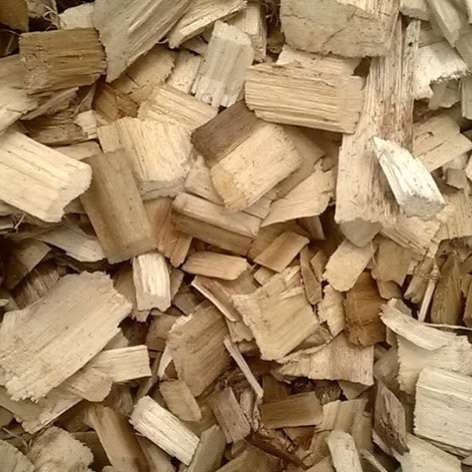

One aspect of the industry in focus for transformation is the manufacturing process and use of materials sourced from forests. Forest-based products include: natural rubber for shoe soles, paper and packaging, garment tags, retail paper bags, fibre used to make clothes – Man-Made Cellulosic Fibres (MMCF) in particular. MMCF has the third largest share in global fibre production after polyester and cotton. In 2021, MMCFs accounted for 6.4 per cent of the total fibre market, produced primarily from wood transformed into dissolving wood pulp (DWP) before being processed into various types of MMCF, such as viscose, modal, lyocell, or acetate.
MMCFs are considered a sustainable material due to their circularity and renewable feedstock derived from trees. But to understand MMCFs and how they could be made sustainable, it’s important to understand their source.
Starting from the Source
Dissolving Wood Pulp (DWP) serves as a crucial raw material in the production of MMCFs and the five largest dissolving wood pulp (DWP) producers are China, the US, South Africa, Canada, and Indonesia. They contribute nearly 60 per cent of global DWP volume.


Credit Suryawan
Where exactly DWP is sourced from depends on the country. Plantation forests play a significant role in DWP sourcing in South Africa, Indonesia, and Brazil, comprising 7.4, 4.9, and 2.3 per cent respectively of their forests. In Europe, where semi-natural forests are prevalent, DWP primarily originates from these forests. In North America, naturally regenerated forests account for 94.8 per cent in Canada and 91.1 per cent in the US. In China, approximately 20 per cent of forests are plantations, while 61 per cent are naturally regenerating forests.
Risks to Forest Biodiversity
Since the sustainable production of MMCFs begins in the forest, it is crucial for brands to understand the potential risks to forests and take proactive measures to manage and mitigate these risks.
Forests are home to more than 80 per cent of all terrestrial species of animals, plants, and insects, and are carbon sinks helping to mitigate climate change effects by removing CO2 from the atmosphere and sequestering carbon in trees and soil. They play a crucial role in climate-related risks like extreme weather, wildfire and pest outbreaks by regulating water flows, protecting local communities from extreme weather events, and offering resilient habitats to animal species, but only if they are managed responsibly.
Unsustainable forest management practices, overexploiting forests and timber harvesting at levels that exceed forests’ capacity to sequester carbon cause significant environmental degradation. This is why it is essential to initiate a sustainable forest management strategy aimed at maintaining or increasing forest carbon stocks while producing an annual sustained yield of timber, fibre or energy from the forest.
How Certification Requirements Help
PEFC provides valuable support in mitigating these risks through its rigorous requirements for sustainable forest management. These requirements, encompassed within global and many national standards, ensure that forest operators adhere to robust practices that promote environmental and social responsibility. By understanding and implementing these standards, organisations can effectively address potential risks and contribute to the overall sustainability of forest ecosystems.
The PEFC standard requires forest management to maintain or increase forests and their ecosystem services as well as economic, ecological, cultural, and social forest values.
It requires degraded forest ecosystems to be rehabilitated as far as economically feasible and adequate genetic, species and structural diversity encouraged, and forest management planning shall aim to respect all socio-economic forest functions. It also obliges forests to maintain or enhance their potential role in erosion control, flood prevention, and other regulating or supporting ecosystem services.
Sustainable Forest Management by Plantation Owners
Asia Pacific Rayon
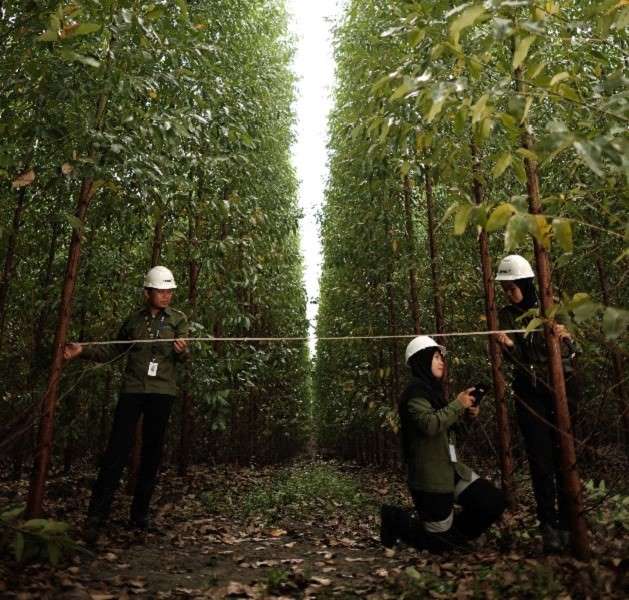
Asia Pacific Rayon (APR) is emerging as a dynamic player in the realm of viscose rayon production in Asia, sourcing material from Asia Pacific Resources International Limited (APRIL) in Indonesia. What sets them apart? All of APRIL's plantations fall under the canopy of PEFC SFM (sustainable forest management) certification, ensuring a commitment to traceable raw materials. As of December 2022, APRIL is managing a whopping 361,231 hectares of natural forest and wetland areas. Of this area, it restores and protects 150,693 hectares managed under the Restorasi Ekosistem Riau (RER) project, with the remainder being the conservation forest within the operational concession areas of APRIL.
Credit APR
“There is global awareness on the impacts of microplastic pollution, and consumers want sustainable fashion more than ever. Our sustainable, bio-based viscose fibre is one of the solutions to prevent further impacts of non-biodegradable material that leaks into our oceans,” says Basrie Kamba, President Director Asia Pacific Rayon.
“Our fibres are biodegradable, the microfibres that shed into the water system during washing will biodegrade and have no known negative impacts on marine life,” he added.
Sappi
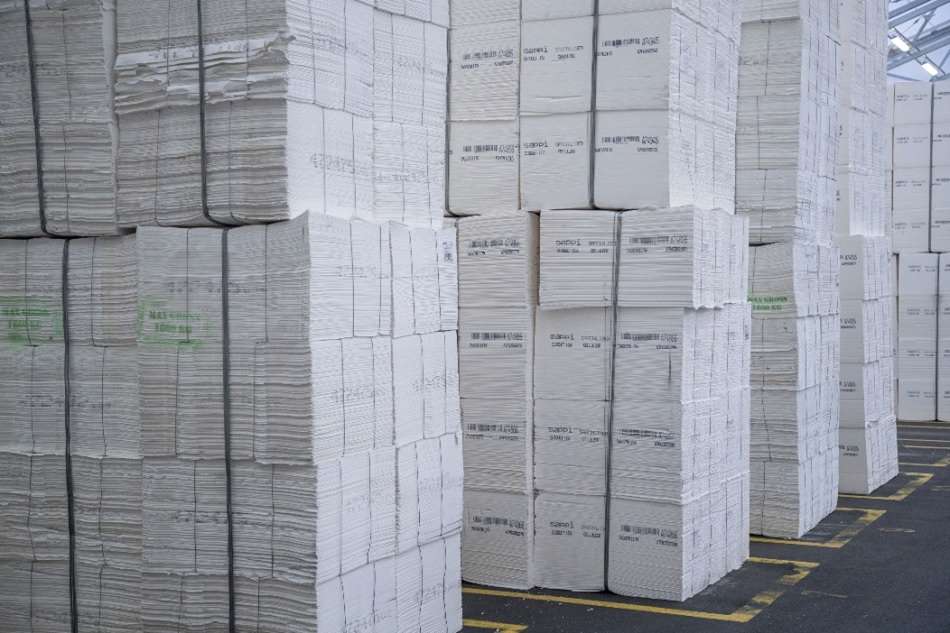
A leading global distributor of both raw materials and a variety of textiles made from wood fibre-base, Sappi takes a strong stance on certified sustainability. Their emphasis on technological innovation is accompanied by a focus on certifications to ensure that their supply chain and operations meet global best practices for the environment.
Credit Lenzing
Duane Roothman, Sappi Forests Vice President explains, “We practise and promote sustainable forestry because it ensures clean air and water, protects biodiversity, and defends against climate change, amongst many other critical benefits. Forest certification validates our forest management practices and those of our suppliers in the well-managed forests and plantations from which we source wood fibre. We strive to continually increase the share of certified wood fibre supplied to our mills.”
While their own plantations have PEFC forest management certificate, Sappi is also actively advocating for a fully transparent supply chain. To encourage their partner suppliers, the company is developing a supplier sustainability awards program to recognize those who are leading the way.
Guide to Incorporating Sustainability into Sourcing
The PEFC positions itself as a strategic ally for progressive businesses looking for concrete steps to elevate their sustainability efforts into real-world impact. A recent white paper by PEFC on forest-positive MMCF sourcing looks into the potential risks that are impacting forests. The paper explores how sustainable forest management requirements address and mitigate these risks and provides detailed sourcing strategies for fashion retailers.
Suggestions for fashion brands range from ensuring certified materials sourcing as a policy to how they can support their suppliers to succeed in the mission.
“PEFC’s white paper is addressing the urgent need for responsible sourcing practices in the fashion industry," says Julia Kozlik, Textile Program Lead at PEFC International. "By leveraging the knowledge shared in this paper, fashion brands and retailers can make informed decisions, support sustainable forest management, and preserve biodiversity."

With only 13 per cent of forests globally being managed sustainably for industry there is certainly room for improvement. As more fashion companies source materials from sustainable forests, traceability and knowing where source material comes from is key to holding the supply chain accountable, an increasingly vocal demand that is coming from consumers today.
Global cotton stocks are poised to jump to 23.32 million tonnes in 2023/24, the highest level ever projected in the 83-year history of data collection by the International Cotton Advisory Committee (ICAC). This represents a 10% increase over the 2022/23 season, and is driven by a projected 3% increase in global production and a 0.43% decrease in global consumption.
China's stocks are expected to jump to 9.16 million tonnes in 2023/24, while the rest of the world's warehouses are expected to swell to 14.5 million tonnes. With this amount in reserve, it is expected that the Cotlook A-Index will remain between 85 and 95 cents per pound for the remainder of the 2023/24 season.
The global stock-to-use ratio is expected to increase to 1.00 (approximately 12 months of mill use) and the global average yield in 2023/24 is currently expected to remain stable at 771 kg per hectare. Despite average cotton prices and weakening demand, total planted area is projected to be 32.2 million hectares, a perplexing 2% increase over the previous season.
The Clean Clothes Campaign strongly condemns the brutal repression of Bangladeshi garment workers peacefully demanding a wage increase to 23,000Tk. We urge the Bangladesh government to uphold workers' fundamental right to peaceful protest. Our hearts go out to those mourning Rasel Hawlader, a garment worker shot during the call for a fair minimum wage in the ready-made garment (RMG) sector.
In October 2023, protests for a 23,000Tk minimum wage faced a heavy police response.
We've learned of another tragic loss during the ongoing unrest, though details are pending clarification. The escalating suppression of workers is alarming. Brands sourcing from Bangladesh have failed to support the workers' plea in wage negotiations, perpetuating an undemocratic environment.
Protests that began in Gazipur were in response to a meager proposal of 10,400Tk minimum wage by the Bangladesh Garment Manufacturers and Exporters Association (BGMEA), far below trade unions' 23,000Tk demand. Protests are spreading, driven by the need for a family-supporting wage. The killing of Rasel Hawlader is an extreme example of repression.
We call on the Bangladesh government to end violence against workers, avoid politicizing wage protests, and acknowledge them as a response to the unacceptable BGMEA proposal. Brands sourcing from Bangladesh must denounce violence, commit to fair pricing, support worker demands, and protect freedom of association. Solidarity extends to Rasel Hawlader's family and all workers standing up for their rights.
The global stock-to-use ratio is expected to increase to 1.00 (approximately 12 months of mill use) in 2023/24, and the global average yield is currently expected to remain stable at 771 kg per hectare.
Given average cotton prices and weakening demand, slight decreases in planted area would be expected. However, total planted area is projected to be 32.2 million hectares, a perplexing 2% increase over the previous season.
Price Projections:
The Secretariat's current price forecast of the season-average A index for 2023/24 ranges from 72.33 cents to 104.12 cents, with a midpoint of 86.23 cents per pound.
Sartoria Studio, New York City's premier destination for curated menswear and made-to-measure garments, is expanding its custom tailoring offerings with a limited trunk show event featuring Milanese bespoke tailor Prata & Mastrale. The event will take place on November 15-16 at Sartoria Studio's downtown Soho menswear lounge, located at 65-69 West Houston Street.
Clients are invited to drop-in or schedule a private appointment during the trunk show event to experience the unparalleled craftsmanship of Prata & Mastrale. The Milanese bespoke tailor is known for its exquisite tailoring and luxurious fabrics, and its presence at Sartoria Studio is a testament to the boutique's commitment to providing its clients with the finest custom menswear experience.
Sartoria Studio has quickly become a go-to destination for discerning gentlemen seeking custom menswear with personality. The boutique's comprehensive menu of custom tailoring services includes made-to-measure and bespoke garments, premium ready-to-wear clothing, and curated accessories.
The addition of Prata & Mastrale to Sartoria Studio's bespoke offerings is a significant step forward in the boutique's mission to fill an untapped niche in the Manhattan tailoring marketplace. With its commitment to excellence in craft and personalized styling, Sartoria Studio is the ideal place for men to find custom menswear that reflects their unique style and personality.