FW
Archroma debuts soft, eco-friendly DWR for apparel fabrics
Archroma, a leading player in specialty chemicals advocating sustainable solutions, unveils Phobotex NTR-50 LIQ, a cutting-edge bio-based durable water repellent (DWR) finish. This innovation targets mills and brands, promising a delicate touch alongside formidable rain and stain protection, bolstering sustainability credentials.
Phobotex NTR-50 LIQ boasts exceptional water repellence across various fibers, emphasizing a luxuriously soft handle while sidestepping issues like yellowing and chalk marking. Particularly effective on synthetic fibers and blends, it finds its niche in apparel, outdoor gear, and home textiles.
This eco-conscious DWR comprises 50 per cent renewable carbon content, eschewing per- and polyfluoroalkyl substances (PFAS) and formaldehyde. Its crosslinker-free formula enhances flexibility in application. Furthermore, it exhibits commendable wash durability and can be augmented with Arkophob NTR-40 for added resilience against laundering.
Georg Lang, Market Segment Director Finishing at Archroma Textile Effects, underscores the company's commitment to sustainable innovation. Phobotex NTR-50 LIQ epitomizes this ethos, offering a superior DWR with enhanced comfort, enabling brands to fulfill consumer expectations for both performance and wearability.
Notably, textiles treated with Phobotex NTR-50 LIQ qualify for the High IQ Repel assurance program, assuring consumers of performance, protection, and eco-friendliness. Its excellent runnability further solidifies its appeal to mills, addressing production challenges while maintaining high standards of performance and safety.
Kraig Biocraft Laboratories hits milestone in silk production trial
Kraig Biocraft Laboratories, Inc. declares a significant achievement today, marking the completion of rearing the first generation of its innovative BAM-1 parental strains in its spring production trial.
Supervised by renowned sericulture expert Nirmal Kumar, the company surpassed all anticipated rates and control benchmarks, yielding exceptional cocoon production.
Kumar commended the robustness of the BAM-1 parental lines, noting their rapid growth and impeccable health. With the successful rearing stage now concluded, Kraig Labs prepares to scale up production based on the performance and resilience of the BAM-1 parental lines.
The meticulously monitored trial revealed no instances of disease across the four production batches, affirming the strength of the recombinant spider silk strains.
CEO Kim Thompson expressed gratitude to the team, consultants, and Kumar for surpassing expectations, citing faster growth rates and larger cocoon sizes compared to previous R&D outcomes.
As the current trial approaches completion, ongoing data collection indicates a high success rate, positioning the company to accelerate production to metric-ton levels.
Thompson anticipates the conclusion of the trial to confirm the two-year acclimation program's success, signaling a promising future for Kraig Biocraft Laboratories in the silk production landscape.
Pure London x JATC reveals 'Immersive Encounters' theme
Pure London x JATC, the UK's premier fashion festival, has announced its theme, "Immersive Encounters," for the upcoming July 2024 event. The theme, inspired by the latest trends forecasted by Trendhub by BDA London, promises a seamless integration of fashion and technology, setting the stage for an unparalleled experience at the event, which merges two influential shows to lead the fashion agenda.
"Illusory," a key trend from Trendhub's S/S 25 forecasts, serves as the cornerstone of "Immersive Encounters." This theme explores the intersection of artificial intelligence and design, crafting immersive experiences that blur the lines between reality and illusion. Jennie Kwan, Head of Creative at Hyve, expresses excitement about bringing this concept to life, emphasizing its potential to redefine the creative landscape of the show.
The campaign imagery and graphics for "Immersive Encounters" will feature a vibrant color palette, including matte pearlescent tones and enduring shades, reflecting the dynamic fusion of digital elements with organic forms. Drawing on over 30 years of expertise in trend forecasting, Trendhub by BDA London promises to offer tangible directions that resonate across product design, marketing, and merchandising.
Terrie Isaac, Head of Creative at BDA London, underscores the significance of this collaboration, highlighting their commitment to translating innovative trends into actionable strategies for retailers. The partnership with Trendhub presents a unique opportunity for visitors and exhibitors to gain insights into future trends and consumer preferences, staying ahead of the curve in the fast-paced fashion industry.
Gloria Sandrucci, Event Director at Pure London, expresses excitement about the latest campaign theme, Immersive Encounters. The theme encapsulates creativity, diversity, and boldness, reflecting the industry's trajectory for S/S 25 and offering invaluable foresight for retailers seeking to curate sought-after collections.
Pure London x JATC will take place from 14th to 16th of July 2024 at Olympia London, promising an immersive journey into the future of fashion. From curated brand showcases on the catwalk to daily trend sessions, the event aims to redefine the fashion landscape, one trend at a time.
Bangladesh shifts cotton sourcing from India to Africa, as it impact global cotton trade
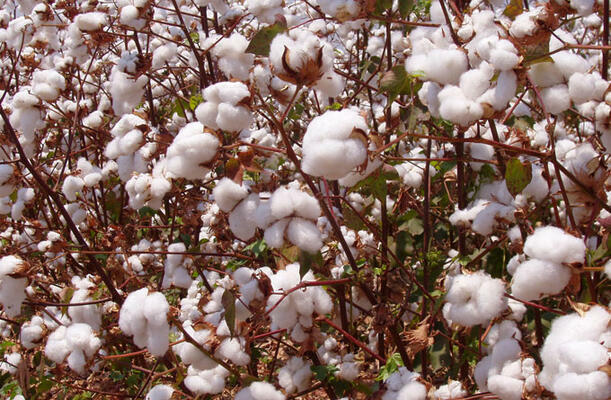
Bangladesh, the world's second-largest garment exporter after China, is undergoing a significant shift in its cotton import strategy. Traditionally, India was the primary source of cotton. However, in recent years, African countries have emerged as the dominant supplier. This trend has major implications for both the Indian and global cotton trade and both economies.
Bangladesh's cotton import scenario
As per USDA data based on Bangladesh NBR as of 2022-23, Bangladesh's cotton import was dominated by Africa, with Western Africa accounting for 39 per cent (Cameroon: 9 per cent, Chad: 3 per cent). Other significant contributors include Brazil (16 per cent), India (12 per cent), and the US (10 per cent).
BTMA’s past data highlights the dramatic change. In 2010, India supplied 22 per cent (over 1.1 million bales) of Bangladesh's cotton needs. This share rose to 55 per cent in 2015 (2.9 billion bales) but has since slumped to just 12 per cent. In the interim African cotton imports have steadily increased over the past decade, driven by factors like competitive pricing and faster delivery times facilitated by warehouses in Port Klang, Malaysia.
Reasons for the shift
There are many reasons behind this shift. One major reason is quality. Bangladeshi manufacturers claim African cotton offers superior quality compared to Indian cotton, leading to better yarn and garment production. "Among the African countries, the quality of cotton from Cameroon is very good followed by Chad and Mali.
But, one of the main reasons behind the increase of cotton exports is African Cotton Association. Members of the organization get special financial assistance from IDB enabling them to export good quality cotton at competitive prices and in a short period of time. And, Bangladeshi mill owners are able to take this advantage," said BTMA president Mohammad Ali Khokon Mohammad Ali Khokon
Uninterrupted supply is another reason as India has a history of export bans to meet domestic demand, disrupting Bangladesh's supply chain. African countries offer consistent supply through IDB-supported warehouses in Port Klang, Malaysia that enable faster and more efficient delivery to Bangladesh compared to traditional Indian routes, points out Khokon.
Moreover, African cotton is considered price competitive with Indian cotton, making the quality advantage even more attractive. The Islamic Development Bank (IDB) provides financial assistance to African cotton associations, allowing them to offer competitive prices to Bangladeshi importers.
Also, Indian cotton suppliers are accused of failing to meet quality standards and delivery commitments, leading to production issues for Bangladeshi mills. "Bangladesh produces yarn from good quality cotton. This is why cotton imports from Africa and America are on the rise," says Bangladesh Knitwear Manufacturers and Exporters Association (BKMEA) executive president Mohammad Hatem.
Impact on cotton trade
For India this means, loss of market share. India's cotton exports to Bangladesh are likely to decline further as Bangladesh diversifies its sourcing strategy. The decline in cotton exports to Bangladesh will impact Indian cotton producers and exporters. They may need to focus on improving quality and reliability to regain Bangladesh's market share.
African cotton producers are likely to benefit from this shift, experiencing increased demand and potentially higher prices. Investment in infrastructure and quality control can further solidify their position.
For Bangladesh this means they have access to higher-quality cotton that allows them to produce better quality yarn and garments, potentially boosting exports. Reduced reliance on a single source mitigates risks associated with potential supply disruptions in India.
The overall impact on the global cotton market is difficult to predict. It may lead to a slight shift in demand patterns, but significant changes are unlikely given Bangladesh's import volume represents a small portion of the global cotton trade.
Indeed, the rise of African cotton producers could reshape global cotton trade dynamics. Increased competition between African and traditional cotton exporters could potentially stabilize or even lower cotton prices.
The future of the global cotton trade hinges on India's ability to adapt to the changing dynamics. By addressing quality concerns, ensuring reliable supply, and fostering trust with Bangladeshi buyers, India can potentially regain its position as a significant cotton supplier. However, Africa's growing prominence and Bangladesh's continued diversification efforts suggest a more competitive and complex global cotton trade landscape in the years to come.
Bangladesh records 8.5% M-o-M rise in apparel exports to EU during Feb’24: Eurostat
Bangladesh's apparel exports to the European Union market increased by 8.5 per cent M-o-M to approximately €1.3 billion in February 2024, marking the highest increase in the past four months.
However, Bangladesh’s apparel exports to the EU declined by 18.6 per cent Y-o-Y, according to Eurostat.
In the first two months of 2024, Bangladesh’s apparel exports to the EU witnessed declined by 26.74 per cent. The country’s knitwear exports to the EU during the period declined to €1.42 billion compared to €2 billion in the same period a year ago.
Similarly, Bangladesh’s woven garment exports to the 27-nation economic bloc during the first two months of 2024 decreased to €1.06 billion from €1.38 billion in the corresponding period of last year, according to Eurostat data.
Recent data from the US Department of Commerce's Office of Textiles and Apparel (OTEXA) indicates, Bangladesh lagged behind its competitors in apparel exports to the American market during the Jan-Feb’24 period.
Bangladesh’s apparel exports to the US declined by 19.24 per cent during the first two months of this year. This contrasted with China, whose apparel exports to the US grew by 0.48 per cent, and Vietnam, which recorded an increase of 0.14 per cent during the same period.
According to Eurostat, clothing imports by the EU from various countries also declined by 15.31 per cent to €12.53 billion in the first two months of 2024 from €14.80 billion in the same period last year.
Specifically, apparel imports from China dropped by 13.12 per cent to €3.33 billion in the Jan-Feb’24 period, compared to €3.83 billion in the same period of 2023.
The EU's apparel imports from Turkey decreased by 10.69 per cent to €1.54 billion from €1.72 billion in the same period of the previous year.
Exporters voiced concerns over challenges faced by the industry, including increased production costs due to utility price and wage hikes, which have made Bangladesh less competitive in the global market. SM Mannan Kochi, President, BGEMEA, emphasised, despite heightened production, proper prices are not being met by buyers.
Echoeing these sentiments, Mohammad Hatem, Executive President, BKMEA, highlights, despite an increase in inquiries from western buyers, many manufacturers are unable to fulfill orders due to low prices offered by buyers.
Moreover, the ongoing gas crisis in the country has resulted in an increase in Bangladesh's lead times to 89-90 days from 50-60 days. This is making difficult for apparel makers to meet the demand for shorter lead times by buyers. Consequently, many western buyers are turning to Vietnam and China for their orders.
Bangladesh’s apparel exports to the US also declined notably during the Jan-Feb’24 period, according to data from the US Department of Commerce's Office of Textiles and Apparel (OTEXA).
Meanwhile, clothing imports by the EU from various countries, including China and Turkey declined during the first two months of 2024, indicating a broader trend of reduced apparel imports into the bloc.
Global Apparel Trade Slowdown: Waning consumer demand paints bleak economic picture
Wazir Advisors April 2024 report on global apparel trade paints a worrying picture, with major markets like the US, EU, and UK experiencing a significant drop in apparel imports. This, coupled with concerning retail trends and a dip in consumer confidence, suggests a potential economic slowdown on the horizon.
Falling imports signal cautious consumers
US apparel imports have dipped by 9 per cent year-to-date compared to 2023, despite a flat February figure. This suggests retailers are stocking less inventory, anticipating potentially weaker demand.
The EU paints a similar picture, with a 15 per cent YTD decline in imports. Notably, both the US and EU have seen a decrease in sourcing from China, potentially indicating a shift towards diversification or a response to rising geopolitical tensions. The UK's situation is more dramatic, with a staggering 18 per cent YTD decline in imports. This could be due to Brexit-related trade disruptions or a more cautious consumer base in the face of economic uncertainty.
Japan is the lone bright spot, with apparel imports growing by 5 per cent YTD compared to 2023. However, this could be a temporary phenomenon and may not be indicative of long-term strength.
Shifting supplier landscape
The data also highlights a changing supplier landscape. While China remains a dominant player, its share is decreasing in the US, EU, and Japan. Vietnam and Italy are emerging as potential beneficiaries, with their share increasing in the US and UK markets, respectively. This trend indicates a potential diversification of sourcing strategies by major apparel companies.
Consumer spending, a tale of two trends
Despite the import slowdown, US apparel store sales have remained resilient, with a 4 per cent YTD increase. This suggests consumers are still spending on clothing, but perhaps more cautiously. Apparel store sales show a modest 1 per cent year-over-year increase, while home furnishing sales experience a steeper 11 per cent decline. This suggests a shift in consumer spending priorities, potentially favoring essential items over discretionary apparel purchases. However, strong growth in online apparel sales (7 per cent in Q4 2023) indicates a potential preference for online shopping channels.
The UK presents a more stable picture, with apparel store sales remaining flat year-over-year. This, alongside a significant 20 per cent growth in online clothing sales (Q4 2023), reflects a continued focus on apparel purchases despite potential economic anxieties. This also suggests a potential move towards online shopping for apparel, but overall spending may be stagnating.
India feels the pinch
India's apparel exports have dipped slightly (1 per cent YTD), reflecting the slowdown in key markets like the US and UAE. This highlights the vulnerability of economies heavily reliant on apparel exports. However, a significant drop in India's apparel imports (17 per cent year-to-date) suggests potential cost-cutting measures by domestic apparel.
Uncertain economic outlook
The combined data paints a picture of a cautious consumer and a potentially slowing global economy. Rising inflation and potential interest rate hikes could further dampen consumer spending, impacting the apparel industry in the coming months. In fact, the apparel industry's slowdown reflects broader economic anxieties. Consumers seem to be prioritizing essential purchases, with a shift towards online shopping. However, the decline in home furnishing sales suggests a potential pullback in discretionary spending. This mixed picture makes it difficult to predict the future of the apparel trade.
Moving ahead, the apparel industry needs to navigate a complex landscape. Diversifying markets and catering to evolving consumer preferences for online shopping and potentially value-driven purchases will be crucial for success. Additionally, staying abreast of economic developments and adapting strategies accordingly will be essential for businesses to weather the current storm.
FDI in Vietnam’s textile and garment sector rises
Favorable investment climate, abundant workforce, and an open economy have led to rise in foreign direct investment (FDI) in Vietnam’s garment and textile sector.
In Q1FY 2024, FDI contributed over 60 per cent to the $8 billion export revenue achieved by Vietnam's garment and textile industry
Vu Duc Giang, Chairman of the Vietnam Textile & Apparel Association (VITAS), notes, foreign garment and textile companies are expanding their presence in Vietnam to capitalise on the opportunities offered by the Vietnamese market. This expansion is a result of the various free trade agreements (FTAs) being signed by Vietnam, especially recent agreements like the Comprehensive and Progressive Agreement for Trans-Pacific Partnership (CPTPP), EU-Vietnam FTA (EVFTA), and Regional Comprehensive Economic Partnership (RCEP).
The industrial parks management board of Nam Dinh province has also granted an investment certificate to Hong Kong-based Crystal International Group to develop its $60 million Yi Da Denim Mill project. The group already operates several plants in northern localities such as Hai Duong, Hai Phong, Bac Giang, and Phu Tho, as well as in the southern province of Binh Duong. These operations have already generated export revenue worth around $1 billion besides creating employment opportunities for approximately 40,000 local workers.
In another development, the world's leading zipper producer from Japan, YKK Corp has invested in its second plant in the Dong Van industrial zone of Ha Nam province. Highlighting the company’s remarkable growth in Vietnam over the last 25 years, Yuji Furukawa, General Director, YKK Vietnam, notes, zipper productivity in the country has increased by 100 times while workforce has expanded to 2,800 employees. Currently, the Vietnamese plant of the company manufactures all of YKK products, thus eliminating the need for imports and even enabling exports to countries like Cambodia and Myanmar.
Adding to this momentum, a subsidiary of China's Weixing group, SAB Industrial Vietnam Company, inaugurated its $62 million factory in Thanh Hoa province. Spanning 66.44 hectare, the factory produces various items including metal, plastic, and nylon zippers, as well as plastic and metal buttons. This investment not only reduces the sector's reliance on imported raw materials but also improves manufacturing efficiency and lowers transport costs, enhancing the competitiveness of Vietnamese products.
Ensure fair prices for apparels manufactured in Bangladesh, urges BGMEA
The Bangladesh Garment Manufacturers and Exporters Association (BGMEA) urged the US government to support and collaborate to ensure fair minimum prices for apparel manufactured in the country. The association also urged for the establishment of a unified code of conduct for social audits.
These demands were raised by SM Mannan Kochi, President, BGMEA during a meeting between the association and a delegation from the US Trade Representative (USTR) at the BGMEA Complex in Dhaka on April 22. The
BGMEA also urged the US government to reinstate the Generalised System of Preferences (GSP) in favor of Bangladesh and include garment items in its GSP program.
Led by Brendan Lynch, Assistant US Trade Representative for South and Central Asia, the USTR delegation included Emily Ashby, Director - South and Central Asia, USTR and Jennifer Oetken, Director for Labor Affairs, USTR, etc.
The BGMEA delegation was led President SM Mannan Kochi, along with other key officials such as Khandoker Rafiqul Islam, Senior Vice President and Md Nasir Uddin, Vice President-Finance.
During the meeting, Mannan highlighted the significant progress made by Bangladesh's RMG industry in ensuring workplace safety, workers' rights, and ongoing labor law reforms. He emphasised the commitment of both the Bangladeshi government and the industry to further improve workers' rights and welfare.
While acknowledging Bangladesh's progress in the labor sector, the USTR delegates briefed the meeting about the US government's labor action plan and areas where further improvements, including amendments in the labor laws, are necessary.
The meeting underscored the importance of collaboration and engagement in making the ready-made garment industry more sustainable. Both parties expressed their commitment to ongoing dialogue and cooperation towards achieving these goals.
Ensure fair prices for apparels manufactured in Bangladesh, urges BGMEA
The Bangladesh Garment Manufacturers and Exporters Association (BGMEA) urged the US government to support and collaborate to ensure fair minimum prices for apparel manufactured in the country. The association also urged for the establishment of a unified code of conduct for social audits.
These demands were raised by SM Mannan Kochi, President, BGMEA during a meeting between the association and a delegation from the US Trade Representative (USTR) at the BGMEA Complex in Dhaka on April 22. The
BGMEA also urged the US government to reinstate the Generalised System of Preferences (GSP) in favor of Bangladesh and include garment items in its GSP program.
Led by Brendan Lynch, Assistant US Trade Representative for South and Central Asia, the USTR delegation included Emily Ashby, Director - South and Central Asia, USTR and Jennifer Oetken, Director for Labor Affairs, USTR, etc.
The BGMEA delegation was led President SM Mannan Kochi, along with other key officials such as Khandoker Rafiqul Islam, Senior Vice President and Md Nasir Uddin, Vice President-Finance.
During the meeting, Mannan highlighted the significant progress made by Bangladesh's RMG industry in ensuring workplace safety, workers' rights, and ongoing labor law reforms. He emphasised the commitment of both the Bangladeshi government and the industry to further improve workers' rights and welfare.
While acknowledging Bangladesh's progress in the labor sector, the USTR delegates briefed the meeting about the US government's labor action plan and areas where further improvements, including amendments in the labor laws, are necessary.
The meeting underscored the importance of collaboration and engagement in making the ready-made garment industry more sustainable. Both parties expressed their commitment to ongoing dialogue and cooperation towards achieving these goals.
Hanesbrands on par with sustainability targets; to achieve zero waste by 2025
Renowned global apparel leader, HanesBrands Inc is steadfastly progressing towards achieving its ambitious sustainability targets. As outlined in its 2023, Sustainability Summary Report, the company aims to achieve zero waste across its operations by 2025 besides transitioning to 100 per cent renewable electricity by 2030.
This report underscores the substantial progress made by the company across the pillars of People, Planet, and Product, which encompass its esteemed brands like Hanes, Champion, Bonds, Maidenform, and Bali. Notably, HanesBrands attained approval on its near-term science-based targets from the Science Based Targets initiative, indicating its commitment to combating climate change.
Since 2019, the company has been successful in decreasing its Scope 1 and 2 greenhouse gas emissions by 53 per cent and Scope 1 and 2 intensity by 41 per cent. Moreever, it has reduced water usage and packaging weight considerably.
HanesBrands' dedication to sustainability has also translated into tangible financial benefits, with the company saving $23 million since establishing sustainability goals in 2020, including over $10 million saved in 2023 alone.
Steve Bratspies, CEO, HanesBrands, attributes the company’s success in achieving sustainability targets to its associates whose focus on delivering good quality, comfortable products while prioritising environmental and social responsibility, enabled Hanesbrands to achieve this feat.
To further amplify its commitment, HanesBrands has integrated thousands of its products into Amazon's Climate Pledge Friendly program. This initiative enables consumers to easily identify sustainable products, underscoring the company's dedication to transparency and eco-conscious manufacturing practices. To qualify for the program, select HanesBrands products underwent GreenCircle Certification, ensuring they were produced in facilities with significantly reduced greenhouse gas emissions and utilizing renewable energy sources.
Moreover, HanesBrands launched a global associate campaign titled ‘I'M IN,’ encouraging employees to undertake simple yet impactful sustainability actions.
Through this initiative, associates pledged 90,000 commitments to sustainable activities, demonstrating their collective dedication to fostering positive change for the planet and communities.
Recognised for its sustained excellence in energy conservation, HanesBrands has received the Energy Star Sustained Excellence Award or Partner of the Year Award from the US Environmental Protection Agency for 14 consecutive years. Additionally, the company has earned an impressive A- rating in both climate change and water security from CDP for the second consecutive year, positioning itself as a frontrunner in sustainability within its industry and among thousands of evaluated companies.