Global real estate landscape has changed. Gone are the cautious narratives of recovery that defined the post-pandemic years. Today, flight to quality is reshaping markets across continents, turning prime retail streets and trophy office towers into some of the most coveted assets in the world. Cushman & Wakefield’s latest reports, including the 35th edition of Main Streets Across the World and India Outlook 2026, reveal a scenario where premiumization is no longer aspirational, it is the defining trend of 2026.
The new global retail hierarchy
Global retail rents grew 4.2 per cent on average over the past year, but the most striking gains were concentrated among the top-tier streets where brand visibility is at a premium. While regional trends vary, the increase in the super-prime segment underscores a fundamental market reality: scarcity and location prestige are now more valuable than ever.
Table: Global rental rankings, top 10 (2025-2026)
|
Rank |
Street / Location |
City |
Rent ($/sq. ft./yr) |
YoY Change |
|
1 |
New Bond Street |
London, UK |
$2,231 |
+22% |
|
2 |
Via Montenapoleone |
Milan, Italy |
$2,179 |
0% |
|
3 |
Upper Fifth Avenue |
New York, USA |
$2,000 |
0% |
|
4 |
Tsim Sha Tsui |
Hong Kong |
$1,515 |
-6% |
|
5 |
Avenue des Champs-Élysées |
Paris, France |
$1,364 |
0% |
|
6 |
Ginza |
Tokyo, Japan |
$1,257 |
+10% |
|
7 |
Bahnhofstrasse |
Zurich, Switzerland |
$1,051 |
0% |
|
8 |
Pitt Street Mall |
Sydney, Australia |
$795 |
+4% |
|
9 |
Myeongdong |
Seoul, South Korea |
$653 |
+1% |
|
10 |
Kohlmarkt |
Vienna, Austria |
$601 |
+2% |
“Prime retail corridors are benefiting factors like resilient economic growth and a renewed appetite for discretionary spending,” notes Dominic Brown, Head of International Research at Cushman & Wakefield. “Flagship locations are no longer just shops, they are global stages for brand storytelling.”
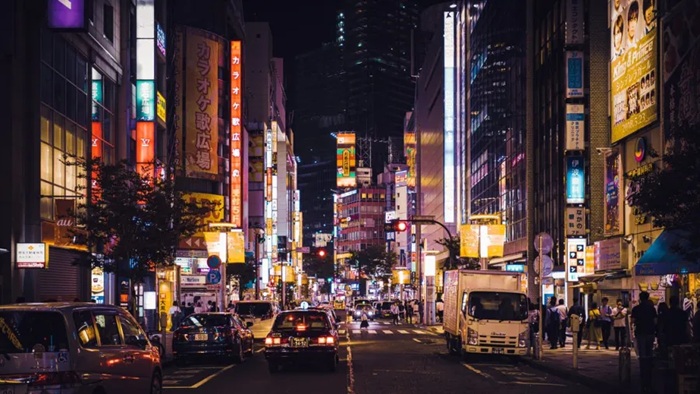
London’s New Bond Street has reclaimed the crown as the world’s costliest retail street, with a 22 per cent year-on-year rent rise. In Asia, the picture is little different, Hong Kong’s Tsim Sha Tsui saw rents decline 6 per cent, reflecting a softening post-pandemic luxury consumption, while Tokyo’s Ginza rose 10 per cent, showing the resilience of local demand in carefully curated high streets.
Global frontiers of demand
High-quality office space continues to attract attention from MNCs. In major cities across Europe, North America, and Asia-Pacific, limited supply and strategic location are pushing rents upward while driving competition for trophy assets. Flexible work models, digital infrastructure requirements, and the consolidation of global corporate headquarters in prime cities are resulting in an unprecedented appetite for top-grade offices.
Global corporate decision-makers are increasingly targeting locations that provide both visibility and operational efficiency. Central business districts in London, New York, Tokyo, and Sydney are seeing historically low vacancy rates, emphasizing the value of premium-grade buildings as strategic assets for attracting talent and hosting multinational operations.
The high street versus mall dynamic
An important narrative emerging from the global retail market is the difference between high streets and shopping malls. While some regional markets are seeing slower growth in traditional malls, high streets continue to thrive as visible, aspirational platforms for brands. In many global capitals, Grade A retail streets report near-zero vacancies, forcing brands to compete for the scarce space available.
In cities such as London and Milan, prime streets are outperforming secondary locations, with rental growth often surpassing overall market averages. The scarcity of flagship locations means that high streets are now both a marketing statement and a revenue-generating asset, increasing their role in global retail strategy.
Outlook 2026, scarcity meets strategic expansion
Looking ahead, the premiumization trend is expected to increase. Key drivers include: continued economic stability in major markets, global brand expansion into carefully curated high streets, and the rise of digital commerce leading to demand for hybrid physical-digital presence. Trophy office spaces, data-enabled retail environments, and ultra-prime locations will remain the most sought-after assets.
The lesson for landlords, investors, and brands is clear: in 2026, quality and visibility are non-negotiable. In a market defined by scarcity and selectivity, those who secure premium space in leading global hubs will capture both commercial returns and strategic advantage.