FW
Eight per cent rise in world cotton supply likely this year
World cotton supply is expected to rise by eight per cent in 2017-18 due entirely to an eight per cent expansion in the world’s cotton area. India is expected to remain the world’s largest producer in 2017-18 with output increasing by six per cent. After falling by six per cent in 2016-17, China’s production is projected to rebound by seven per cent.
World production of cotton is estimated at 30 million tons per year, with the main producers in 2016 being India and China. However, the United States remains the leading exporting country. Despite the rise of synthetic fibers, cotton remains a major contributor to the textile market, with a share of about 40 per cent.
The evolution of Chinese cotton stocks will continue to influence prices. More than half of the world’s stocks are held by China. High prices, sufficient soil moisture in dryland areas and beneficial weather during planting encouraged US farmers to expand their cotton areas by 18 per cent. Global demand remains dynamic with respect to US exports, which show record levels. Exports increased by more than 50 per cent between 2015-16 and 2016-17.
The rise in prices of the white fiber would not last, as Indian and Chinese production would remain high, and American production will stay high in the long-term.
Accessories units flounder in Bangladesh
Many garment accessories factories have closed down in Bangladesh mainly due to lack of access to bank loans, short-supply of electricity and low technology-base. A total of 579 units have closed down between 2012 and 2016. Most of those were small size. Reasons: include a failure in installing modern machinery, production of fewer items, complexities among partners and failure to meet compliance issues.
On the other hand 432 new accessory manufacturing units, mostly large ones with modern technology, were added to the sector during the five-year period. The garment accessories and packaging industry is a backward linkage industry. Bangladesh’s garment accessories industry meets 95 per cent of the local demand for garment accessories. The country wants a bigger share of the global garment accessories market.
In the mid ’80s, the country’s entrepreneurs started to manufacture accessories and packaging materials. Now there are at least 30 varieties of accessories and packaging products produced. The industry supports the readymade garment, pharmaceutical, ceramic and frozen food sectors to reduce their lead time of exports. The value addition of the sector is more than 30 per cent a year. However growth of new investment has decreased in recent times due to the uncertainty of power and gas supply.
Prosperity launches denim at Kingpins
Prosperity Textile introduced its latest denim collections at Kingpins China 2017 edition.
The collection highlights Invista’s thermolite infrared technology. Denim fabrics made with this technology increase their temperature when exposed to solar or artificial light. Special ceramic pigments are added to the fiber which transfer the energy of infrared rays into heat the body can feel, helping to optimize performance. This new technology is a perfect fit for the fall/winter apparel market.

Kingpins is a boutique denim sourcing show featuring a selection of vendors that include denim and sportswear fabric mills from the US, Japan, China, India, Italy, Turkey, Egypt, Pakistan, Thailand, Spain and Mexico; wash houses; full package manufacturers; trim providers; and makers of technology, wash chemicals and business solutions. At this edition more than 30 exhibitors presented their new denim collections.

Prosperity Textile is a regular exhibitor at the Kingpins New York, Amsterdam and Hong Kong shows. Founded in 1995, Prosperity Textile is a denim fabric manufacturer with 80 million yards capacity, providing R&D, design and manufacturing services to global garment clients. With more than 20 offices and over 1200 employees around the world, Prosperity Textile provides global production capabilities back by in-time local customer service.

Jack and Dentsu sign branding cooperation
The world’s largest sewing machine company, Jack Sewing Machine, and the internationally renowned 4A advertising company Dentsu have signed a cooperation on the first day of CISMA, here in Shanghai, becoming China’s first official brand strategy cooperation of this kind.
China’s sewing machinery industry is evolving through reform and is opening up, although in the rapid development stage, but at the same time, faces a fierce price competition and competitive situation, leading to China's sewing machinery industry being big but not strong, lacking identity and in a position of being brand-oriented, the kind of brand positioning international machinery brands have.
“China-Made” to be a brand
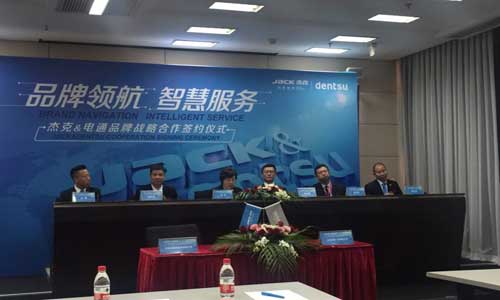
Now there is a comprehensive shift to this idea and China wants to promote “China-made” especially in technology and machinery manufacturing. Jack took the lead in this brand-drive and global brand vision, and cooperates with Dentsu to become the world’s first brand of sewing equipment. This may help China's sewing machinery industry to grow in strength.
In the implementation of the brand strategy, Jack will be committed to guide global consumers to come above the perception of the foreign brands and enhance the public recognition of its brand and self-confidence. At the same time, Jack will also accelerate the internationalization of its brand, in the international arena, taking the story of China's sewing brands to the next level, boosting the Chinese brand change.
Jack has more than 5,000 marketing and service centers in more than 100 countries, with offices in major markets, with 300 foreign employees from more than 30 countries and with the support of Dentsu, in future, the brand will become one of the most important driving forces for Jack’s long-term sustainable development.
Implementation of a three pronged strategy
The implementation of the "three pronged" strategy as to Increase Variety, to Improve Quality, and to Build Brand, is being undertaken by Jack, as part of 13th five-year planning period of China's sewing machinery industry which is the world's largest sewing machinery industry .

China Light Industry Federation vice president, China Sewing Machinery Association, He Ye, said in an interview, “The cooperation of Jack and Dentsu, is assured and is “fast service” combination.
Jack has more than 5,000 marketing and service centres in more than 100 countries, with offices in major markets, with 300 foreign employees from more than 30 countries and with the support of Dentsu, in future, the brand will become one of the most important driving forces for Jack's long-term sustainable development. The variety, quality and service are the biggest support for Jack to build the brand, and the brand will spur and drive Jack's innovative technology, improve quality and deepen the service. Jack global sewing equipment will boost China's sewing machinery industry from Big to Strong!
Prosperity partners with UseDem
Prosperity Textile has partnered with UseDem in its denim recycling project.
Prosperity Textile will provide UseDem with leftover stock fabrics, out-of-season jeans samples and denim hangers for free. The company is also going to showcase UseDem bags at Intertextile Shanghai, October 11 to 13, 2017.
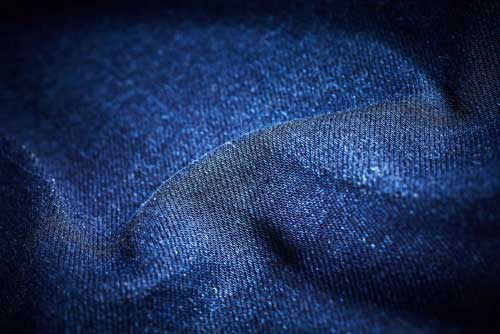
Both companies will co-host seminars and workshops in future to further promote sustainable development in the denim industry.

Founded in 1995, Prosperity Textile is an industry-leading denim fabric manufacturer with 80 million yards capacity, providing R&D, design and manufacturing services to global garment clients. With more than 20 offices and over 1200 employees around the world, Prosperity Textile provides global production capabilities backed by in-time local customer service.

UseDem is a project about upcycling old jeans into a new wearable product. It was founded by Xenia Sidorenka, a Russian designer who has been active within the denim industry for many years. Having witnessed the decline and decay of many a nice pair of jeans, she decided to not only start recycling these castaways, but to take things one step further and re-style them in a creatively and responsibly fashionable manner.

This cooperation is part of Prosperity’s continued efforts to build a green environment. The hope is that more companies and consumers do their bit to make denim more sustainable.

CISMA-the first glance
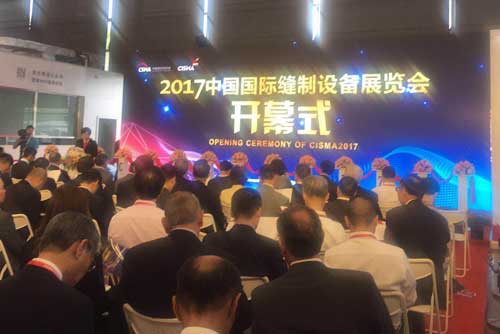
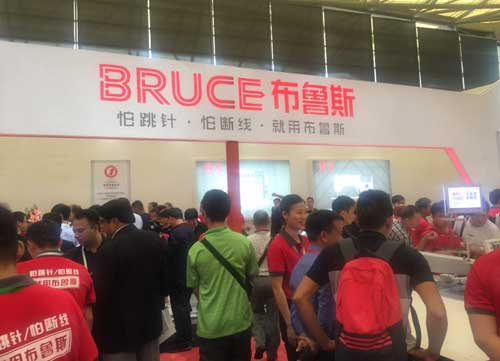
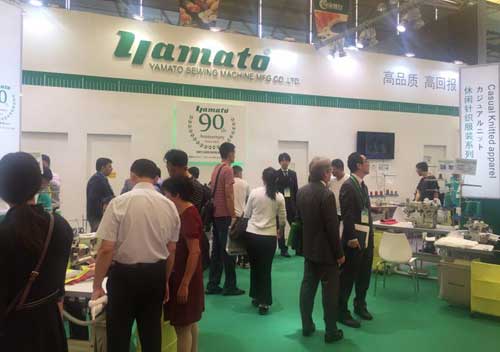
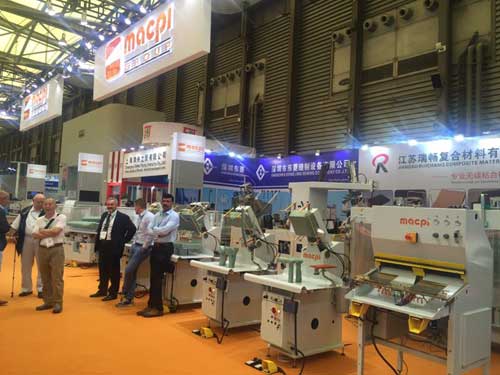
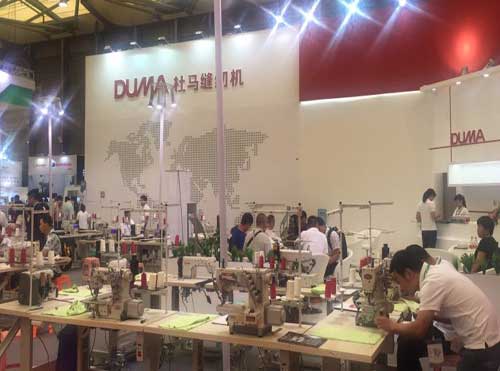
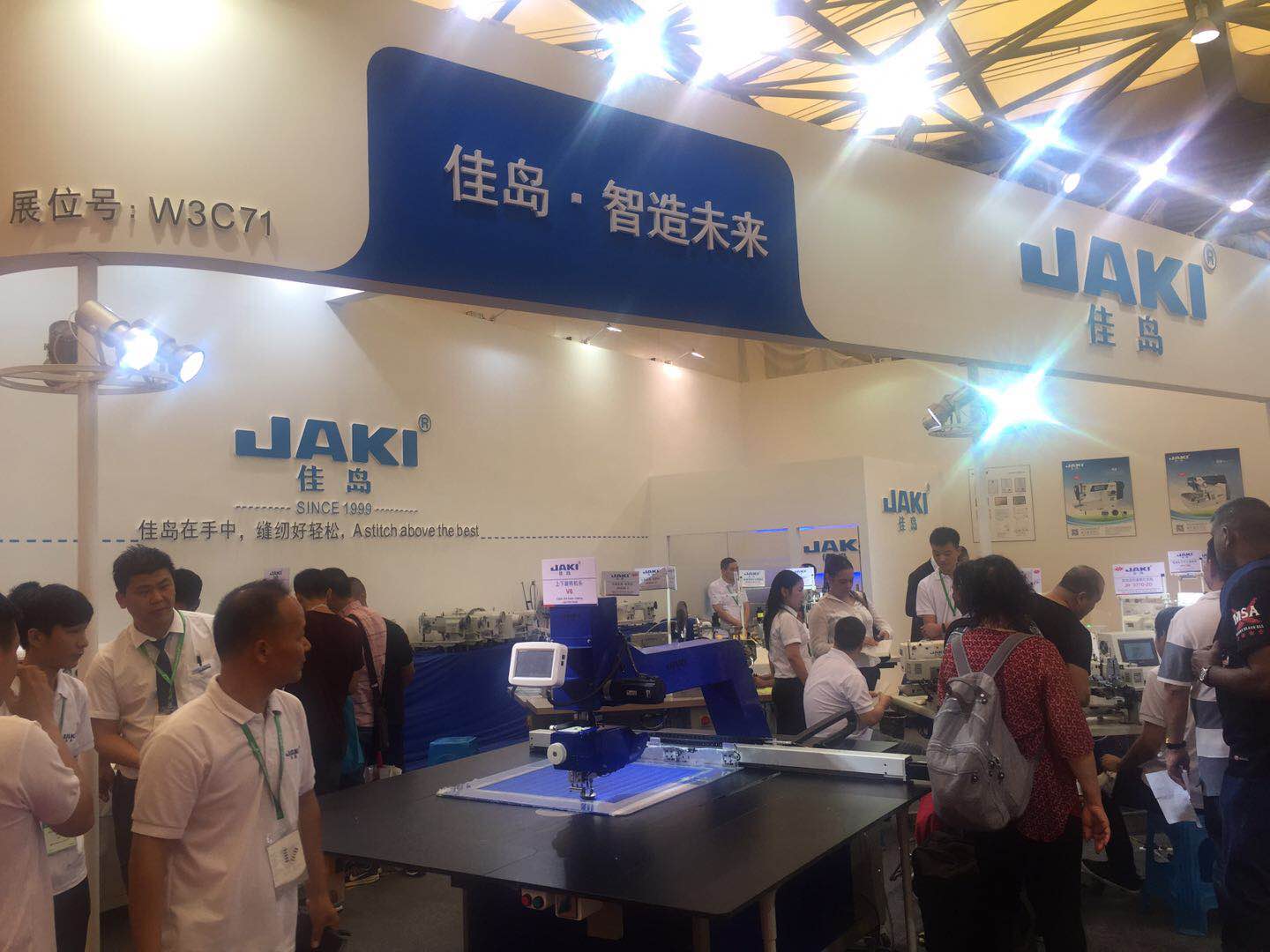
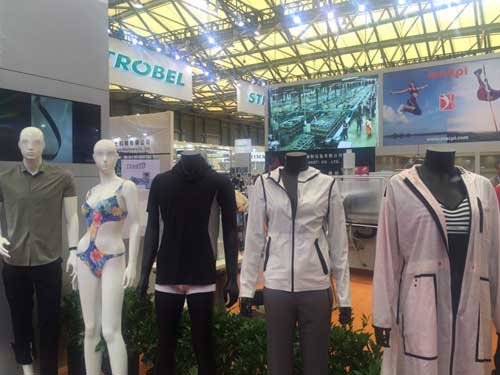
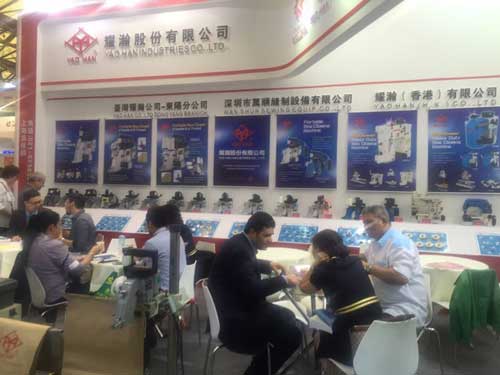
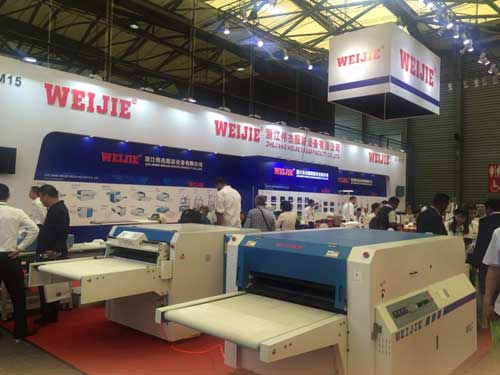
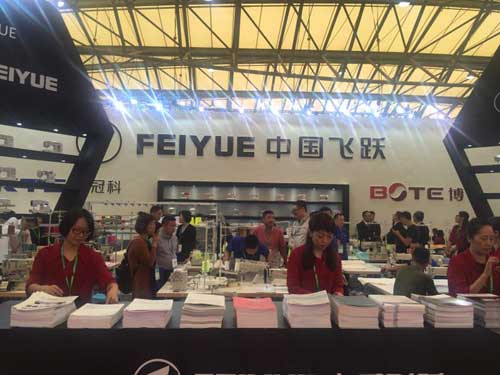
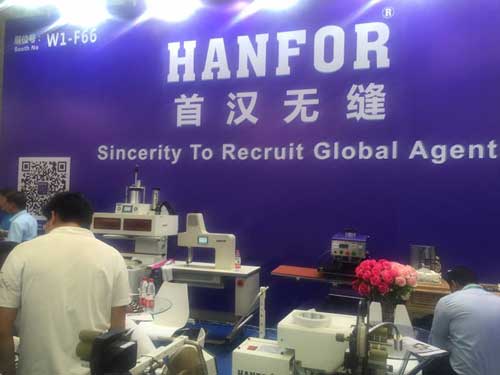
CISMA -World’s largest professional sewing equipment exhibition CISMA covering embroidery machines, spare parts, opened today morning in Shanghai. The exhibition includes two parts, ten halls altogether. There are more than 1200 exhibitors attend the event. The exhibition space is 110,000 square meters. More than tens of thousands of visitors are expected during this event. Here are few pictures, as the first glance…
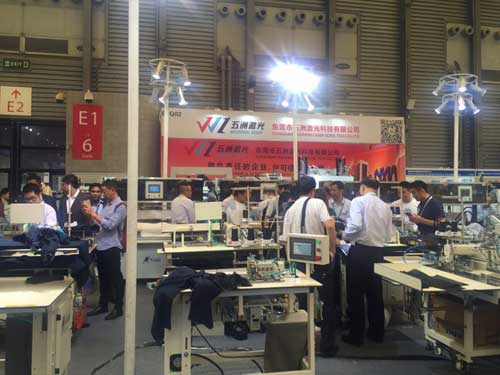
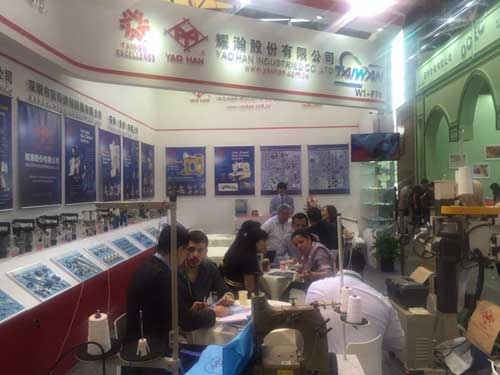
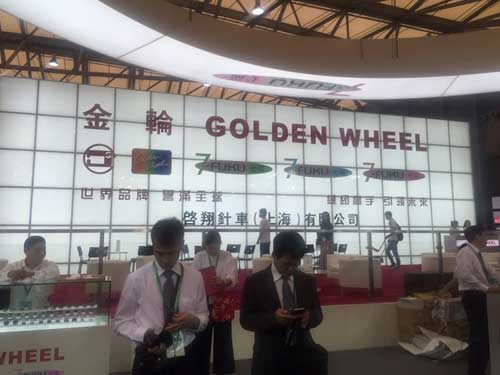
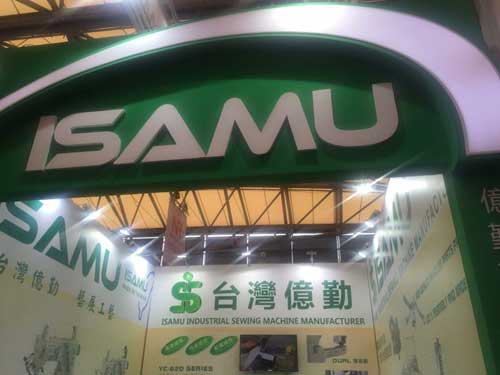
Groz-Beckert to display at CISMA
The China International Sewing Machinery Accessories (CISMA) is the world's largest trade fair for sewing machines and accessories. Exhibitors from more than 120 countries all over the world will be presenting the latest industry innovations.
The motto of this year's CISMA is Smart Sewing Technology & Solutions and the latest technologies and production processes will be on show – numerous technology forums will also be running parallel to the trade fair.

Groz-Beckert will also be present with the sewing division. In addition to the established product highlights, intelligent solutions will also be presented, like the exclusive five-star service Sewing 5. At the Mobile Lab, visitors can inspect and analyze material samples directly at the Groz-Beckert booth.
Sewing 5 from Groz-Beckert stands for Supply, Solutions, Service, Superiority and Sustainability.
The sewing and joining service from Groz-Beckert, which can now be accessed from several locations around the world, provides scores of pointers and support for optimal sewing operation and the best end product possible.

There is also tailored application advice that goes beyond the limits of standard solutions. The problem is precisely analyzed, various inspections and tests are performed and a conclusive report delivers detailed recommendations on trouble-shooting.
Requirements within sewing operations change constantly. The wide variety of materials worked with and the different requirements for seams with regard to function and appearance make it ever more difficult to find the right needle for current applications Moreover, flawed finishing of materials or incorrect machine settings can lead to material damage and other problems.
Gerber to display at CISMA
Gerber’s digital solutions, a full suite of industry leading end-to-end integrated products, are helping companies collaborate and go from initial design to production and shipment with greater speed, quality and visibility throughout the process.
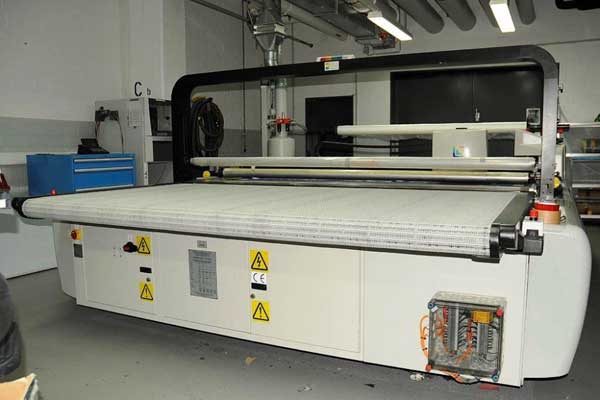
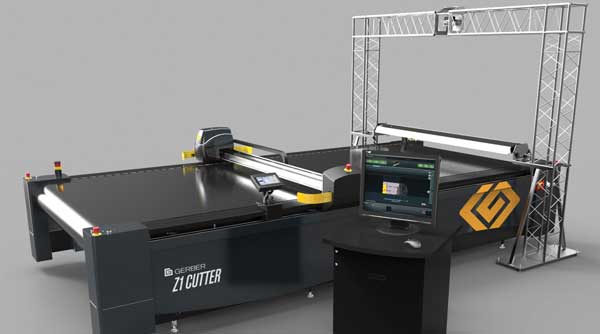
The new Gerber cutter Z1 with Auto Match is a stripe, plaid, and five-star automated matching solution. This new automation solution will help apparel manufacturers automate manual processes to improve quality, increase productivity, shorten cycle times, reduce labor costs and accelerate time to market.
Gerber’s Accu Mark 3D can be used to validate patterns and simulate virtual garment samples so realistic that there’s no need for designers to spend the time and money cutting and sewing real ones.
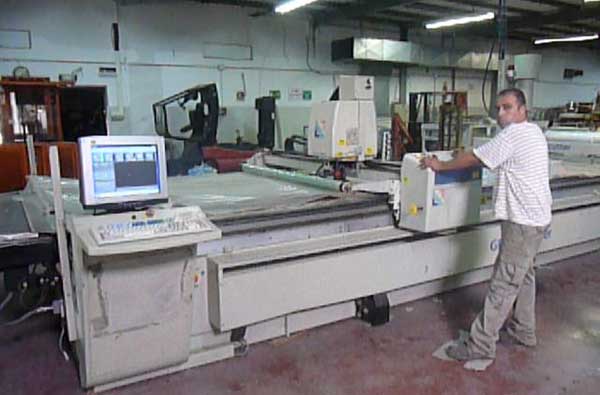
Gerber Technology will be present at CISMA, September 26 to 29, China. This show will have a high concentration of apparel manufacturers and brands attending from the Asia Pacific region.
Industry 4.0, smart factories, digitization, sustainability and corporate social responsibility – these terms are in the headlines of industry publications every day. Digitization is a reality, and that’s good news for the fashion industry. Cutting-edge digital design tools that integrate seamlessly with smart machines will help garment manufacturers cut costs by millions of dollars, increase throughput, reduce waste and – most importantly – stay competitive.
China bans entry of textile scrap
China has banned imports of textile scrap. The aim is to improve environmental protection and standards within China’s domestic recycling infrastructure. However, it’s doubtful if a ban on the import of specification-grade scrap materials will help with those efforts. For recycled commodities such as recovered paper and fiber, plastic scrap and copper scrap, China accounts for more than half of the world’s total imports. With more than $5.2 billion in scrap commodities exported from the US to China last year alone, the trade in specification-grade commodities between the US and China is of critical importance to the health and success of the US-based recycling industry and China’s manufacturing sector.
Scrap textiles are useful in bolstering circularity initiatives. A ban can impede progress on global textile recycling and prevent China’s manufacturing sector from accessing valuable recyclable materials and minimise other opportunities for recycling. It will result in the loss of tens of thousands of jobs and the closure of many recycling businesses throughout the US.
Textile recycling is the process by which old clothing and other textiles are recovered for reuse or material recovery. Steps in the textile recycling process involve the donation, collection, sorting and processing of textiles and then subsequent transportation to end users of used garments, rags or other recovered materials.
Orissa plans apparel incubation center
Orissa’s handlooms, textile and handicrafts will get a boost as the government plans to set up an apparel incubation center for promoting entrepreneurship in the apparel and garment sector. The three-seater 300 machine apparel incubation centre will provide employment opportunities for about 600 youths in the textile and garment sectors.
Meanwhile subsidy has been increased by 30 per cent for upgradation of the power loom sector and for the benefit of small weavers. The necessary financial support will be extended to power loom units struggling for survival. Orissa has some 1500 functional power looms. Most power looms are facing a raw material shortage and weavers are not able to afford the high cost of yarn in the market.
Yarn banks will be set up in all power loom centers and clusters so that weavers can get their raw materials in enough quantities and at reasonable prices. This will also help weavers plan their production program in advance. Market linkages will be developed for their products. A textile museum is being set up on 12 acres. It will showcase the traditional handlooms and handicrafts of the state. Orissa’s tradition of handicrafts is diverse. Inspired by Hindu myths, Mughal designs, tribal folktales, and nature, Orissa’s crafts are worked in metal, cloth, and stone.