FW
Decathlon scales circular retail with launch of new Swiss store
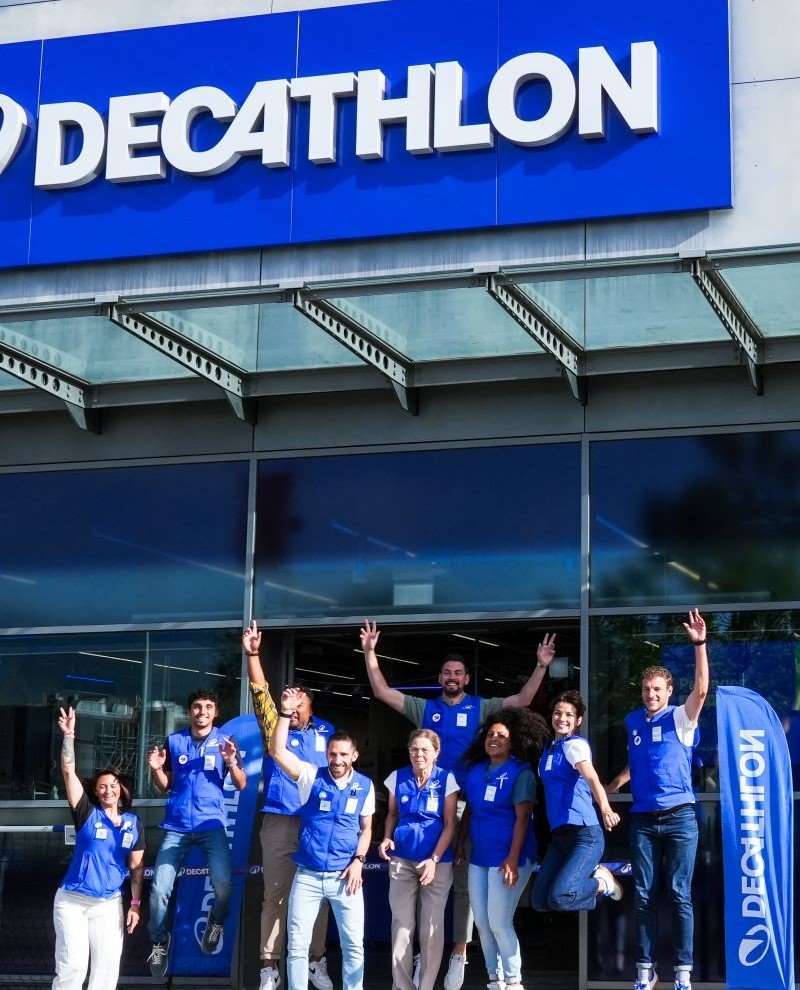
French sporting goods leader Decathlon has inaugurated its latest retail destination in Delémont, marking a strategic expansion into the Swiss Canton of Jura. This launch serves as a focal point for the company’s objective to integrate sustainable service models directly into its physical retail network. By embedding dedicated technical workshops within the store, the company is shifting its regional value proposition from simple product turnover toward lifecycle management. These onsite facilities prioritize maintenance and repair, directly supporting the brand’s commitment to extending the functional lifespan of sporting equipment for outdoor enthusiasts across the region.
Data-driven growth in competitive markets
The Delémont opening contributes to a broader, aggressive expansion strategy that aims to reach a baseline of 100 strategic points of sale across Switzerland. This growth trajectory is underpinned by strong financial momentum; in 2025, the Decathlon Group reported net sales of €16.8 billion, with profitability metrics showing significant strength, including a 16 per cent rise in net income. As Decathlon scales its physical footprint, it is simultaneously accelerating its circular economy initiatives- such as buy-back programs and second-hand sales - which are now active in 43 markets. Our ambition is to decouple business growth from our carbon footprint while ensuring sports remains accessible to all, noted a company spokesperson regarding the firm's 2026 sustainability mandates. The integration of these repair services acts as a primary catalyst for customer retention, aligning with a global retail trend that emphasizes product durability as a cornerstone of brand loyalty.
Maintaining an integrated business model
Founded in France in 1976, Decathlon is the world’s largest sporting goods retailer, offering a wide array of technical gear and apparel. The company maintains an integrated business model covering design, production, and distribution. Currently present in 82 countries, Decathlon is focused on aggressive international retail expansion and long-term sustainability goals.
Abercrombie & Fitch partners Target to expand Hollister Wholesale
Abercrombie & Fitch Co entered into a multi-season collaboration with retail giant Target for its to expand the wholesale operations of its brand Hollister. Commencing June 28, 2026, ‘The Hollister Collection at Target’ will introduce a 60-item assortment across apparel, bedding, and home decor. This initiative marks Hollister’s inaugural entry into the lifestyle and home categories, aiming to capture significant foot traffic during the critical back-to-college shopping season. The collection, featuring iconic logos and signature seagull motifs, will be available both online and in the majority of Target’s physical store locations.
Strategic diversification amid consumption shifts
This wholesale expansion serves as a calculated maneuver to maintain top-line growth as Abercrombie & Fitch contends with cooling consumer sentiment and persistent inflationary pressures. While the company reported a 1.5 per cent Y-o-Y revenue increase in Q1 2026, Hollister sales have remained relatively flat. By integrating into Target’s high-traffic ecosystem, the brand seeks to secure a broader customer base and bolster its presence in the competitive $89 billion back-to-college market. The partnership allows the brand to amplify their lifestyle positioning through a proven retail channel, balancing their direct-to-consumer focus with broader wholesale visibility, notes Corey Robinson, Chief Product Officer, Abercrombie & Fitch.
Operational resilience and future outlook
The move underscores a wider industry trend of legacy retailers utilizing high-profile brand collaborations to differentiate their assortments. Beyond the immediate seasonal impact, the strategy forms part of a broader fiscal effort to navigate rising tariff costs and supply chain complexities. As the company continues its store optimization program - targeting approximately 30 net new openings for 2026 - this wholesale integration provides an asset-light vehicle for volume growth. Market analysts view the collaboration as a vital catalyst for the second half of the year, potentially stabilizing margins as the company manages promotional activity and inventory levels across its North American and international portfolios.
Abercrombie & Fitch Co. is a global specialty retailer operating the Abercrombie, Hollister, and Gilly Hicks brands. It provides apparel, accessories, and home goods across North America, Europe, Asia, and the Middle East. Headquartered in New Albany, Ohio, the company focuses on digital-first retail, store-based experience, and strategic wholesale partnerships.
Intex Bangladesh 2026: Scaling global supply chains through sustainable sourcing
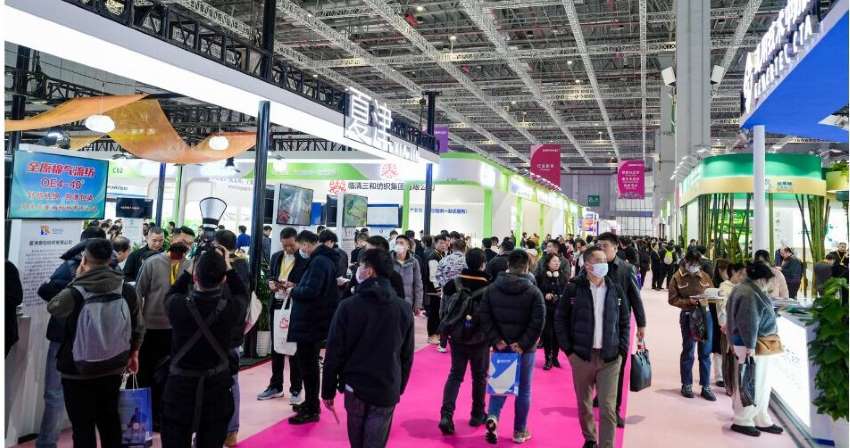
Currently underway at the International Convention City Bashundhara in Dhaka, the 18th edition of Intex Bangladesh has positioned itself as the critical nexus for the future of the nation’s $45 billion apparel export sector. With over 300 international booths, the exhibition marks a departure from traditional volume-centric sourcing, emphasizing instead the industry's rapid transition toward advanced man-made fibers (MMF), technical textiles, and circular economy solutions. By hosting major delegations from India, China, and Taiwan, the platform serves as a vital bridge for Bangladeshi garment manufacturers seeking to diversify their supply bases beyond cotton to meet the sophisticated demands of global buyers.
Strategic integration of high-performance materials
This year's event highlights a significant shift toward ‘value-added’ manufacturing, with specialized pavilions dedicated to functional fabrics, performance textiles, and eco-friendly chemical processing. As global brands demand greater traceability - facilitated at this year’s show through partnerships with entities like TextileGenesis - manufacturers are under pressure to adopt transparent, sustainable production methods. The emphasis has clearly transitioned from mere capacity to qualitative capability, noted a senior trade analyst present at the exhibition. With live matchmaking sessions and industry-led seminars, the event is actively fostering long-term commercial alliances that prioritize resource efficiency and supply chain resilience against fluctuating utility and raw material costs.
Navigating the complexity of global sourcing
For the broader textile ecosystem, Intex Bangladesh 2026 serves as a litmus test for the industry's ability to remain competitive amidst intense regional rivalry. While the sector faces challenges ranging from rising energy overheads to the requirement for more rapid compliance certifications, the high level of international participation underscores Bangladesh’s enduring status as a cornerstone of the global apparel value chain. By facilitating direct access to next-generation raw materials and dyeing innovations, the exhibition provides the essential infrastructure for local manufacturers to elevate their product offerings, ultimately strengthening their bargaining position with tier-one global retailers.
Intex South Asia is a premier international B2B textile sourcing exhibition series. It connects global fiber, yarn, fabric, and accessory suppliers with South Asian garment manufacturers. The platform aims to foster cross-border collaboration, technological adoption, and sustainable sourcing practices to drive competitiveness in the regional and global textile markets.
Gold supplier status for Evitex Apparels from LC Waikiki
A subsidiary of the Dhaka-based Evince Group, Evitex Apparels has been awarded the prestigious Gold Supplier Status by global retail powerhouse LC Waikiki. This accolade, conferred during the LC Waikiki Supplier Partnership Certificate Ceremony held in Istanbul, recognizes the facility's superior performance throughout the March 2025 to February 2026 evaluation cycle. Outperforming more than 128 other suppliers within the retailer's Bangladesh network, Evitex distinguished itself through exceptional metrics in operational efficiency, production quality, and timely delivery.
Sustainability as a competitive edge
The recognition underscores a strategic alignment between Evitex’s green manufacturing agenda and LC Waikiki’s growing focus on responsible sourcing. Already LEED Gold-certified, the Bangladesh-based manufacturer has leveraged its investment in resource-efficient infrastructure to meet the rigorous compliance standards required by the global retailer. Shah Rayeed Chowdhury, Director of Evince Group, noted that the award serves as both validation of current practices and a catalyst for further innovation. By securing this top-tier status, Evitex reinforces its position as a high-value partner in an increasingly quality-conscious global apparel market, where retailers are tightening vendor lists to favor suppliers who can demonstrate both environmental stewardship and consistent volume output.
Deepening international collaborative ties
Beyond the formal award, the recognition facilitates deeper strategic integration. During the ceremony, the Evince Group delegation participated in the 9th S7 Overseas Quotation Event in Istanbul, a platform designed to align long-term growth strategies between international manufacturers and LC Waikiki’s leadership. For the broader textile sector, this development highlights the shifting dynamics in global apparel sourcing; as brands pivot toward "preferred" status models, manufacturers that integrate sustainable, tech-enabled operations—like Evitex—are better positioned to retain market share despite the ongoing economic pressures and intense global competition currently shaping the industry.
Evitex Apparels is a prominent Bangladesh-based garment manufacturer and a concern of the Evince Group. The company specializes in producing shirts, blouses, and trousers for international brands. Committed to sustainability, it holds LEED Gold certification. It aims to scale its production capacity and enhance its global footprint.
US retail rebounds as sales rise in May 2026
The US retail landscape recorded a robust performance in May 2026, with advance estimates for retail sales reaching $763.7 billion. This 0.9 per cent increase over April significantly outpaced market expectations, signaling a resilient consumer base despite lingering economic headwinds. The sector expanded by 6.9 per cent Y-o-Y, demonstrating sustained momentum in household spending through the second quarter.
Non-store retailers and the digital acceleration
The most notable driver of this growth was the non-store retail segment, which reported a substantial 12.2 per cent Y-o-Y gain. This trend highlights a fundamental structural change: consumers are increasingly prioritizing convenience and price transparency. Industry analysts note, this shift is not merely cyclical but indicative of a long-term transition toward digital-first shopping. Retailers that successfully integrated ‘phygital’ strategies - blending online discovery with seamless fulfillment - captured the highest share of this increased spending. Even as discretionary demand faces pressure from inflationary concerns, non-store channels are benefiting from shoppers who rely on mobile-first tools to compare prices and secure value.
Discerning consumption in a value-oriented market
While the headline figures remain positive, the spending environment is marked by a clear bifurcation. While luxury spending has cooled, discount-oriented and value-focused channels continue to experience high traffic. Consumers are increasingly scrutinizing ‘nice-to-have’ purchases, favoring private-label goods and promotions. As one retail strategist observes, the modern shopper is operating with a 'value-first' framework, where quality must be balanced against competitive pricing to earn their loyalty. Retailers are responding by enhancing omnichannel loyalty programs, allowing brands to maintain volume through personalization while navigating a marketplace where consumer confidence remains sensitive to shifting interest rate expectations and employment trends.
The US retail sector represents the heartbeat of domestic consumption, encompassing diverse entities from department stores to e-commerce giants. Growth is tracked via monthly census data, which serves as a critical economic indicator. The industry is currently undergoing a massive digital transformation, emphasizing supply chain resilience and AI-driven personalization to maintain growth in an era of price-sensitive, value-conscious consumer behavior.
Onitsuka Tiger charts independent luxury future under OT Group
Onitsuka Tiger is officially embarking on a new chapter, transitioning from an internal Asics business unit to a standalone entity under the newly incorporated OT Group. Slated for completion on January 1, 2027, this restructuring marks a definitive separation from its parent company’s performance-focused identity. By establishing itself as an independent subsidiary, the brand aims to shed its long-standing association with Asics’ technical athletic gear and fully realize its ambition as a premier luxury lifestyle label. Ryoji Shoda, CEO, noted, the separation provides the operational agility required to move beyond the famous ‘stripes,’ allowing the brand to cultivate a unique market position rooted in fashion-forward design rather than athletic utility.
Strategic expansion and US market return
The brand’s financial performance has been a catalyst for this reorganization, with Q1 2026 net sales rising by 34 per cent to ¥37.8 billion. Building on this momentum, the new OT Group is prioritizing a high-end retail strategy that favors large, experiential flagships over expansive, volume-driven store networks. Central to this strategy is a high-stakes return to the United States market, with a marquee flagship store planned for Los Angeles in February 2027. This move serves as a crucial test for the brand’s ability to sustain its premium image while balancing global scalability. By focusing on exclusivity and archival-inspired innovation, Onitsuka Tiger intends to command a distinct luxury space that caters to the surging global demand for retro aesthetics and authentic Japanese craftsmanship.
Emphasizing on high-end retail and experiential luxury
Onitsuka Tiger is a global luxury lifestyle and footwear brand. Originally founded in 1949, it evolved from athletic origins into a fashion icon known for minimalist design. Headquartered in Tokyo, the brand operates under the OT Group subsidiary of Asics. Its growth strategy emphasizes high-end retail, brand heat, and experiential luxury.
Under Armour expands Collegiate footprint with Sunshine State Conference agreement
In a strategic effort to fortify its presence within collegiate athletics, Under Armor has finalized a comprehensive five-year agreement with Sunshine State Conference to serve as its official apparel provider. Effective July 1, 2026, this partnership encompasses all 11 member institutions, outfitting student-athletes, coaching staff, and department personnel across the conference’s diverse sports programs. The alignment between Under Armor and the SSC, a powerhouse in Division II sports boasting a history of 138 national championships, underscores a shared commitment to elite performance standards. By integrating the brand's proprietary performance technologies into the conference's daily operations, the partnership seeks to enhance the overall student-athlete experience and elevate the visual identity of the ‘Conference of National Champions’ on a national stage.
Strategic synergy in performance apparel
For Under Armor, this agreement represents a tactical expansion of its collegiate roster, which already includes over 300 partnerships. According to Craig Cummings, Vice President-Team Division, Under Armor, the collaboration is designed to support the conference's tradition of excellence by providing innovative gear that meets the high-performance demands of collegiate competition. Chris Graham, Commissioner, SSC highlighted that this venture is central to the conference's goal of advancing its branding and championship-level initiatives. As Under Armour continues to refine its team-sports portfolio, the SSC partnership functions as a critical touchpoint for the brand to engage with highly competitive, community-focused collegiate athletic ecosystems while reinforcing its commitment to innovation in performance apparel.
A global leader in athletic performance apparel
Under Armor is a global leader in athletic performance apparel, footwear, and equipment. Headquartered in Baltimore, the company designs products engineered to empower human performance through innovation. Serving markets from youth to professional sports, Under Armour maintains a strong commercial outlook by balancing high-performance technical gear with strategic lifestyle collaborations and elite collegiate partnerships. Founded in 1996 by Kevin Plank, the brand revolutionized the industry with moisture-wicking synthetic fabrics and has since evolved into a multifaceted sports powerhouse.
Cybex forays into streetwear with debut apparel collection
Long established as a market leader in premium child safety and mobility solutions, Cybex has officially diversified its portfolio by venturing into the ready-to-wear sector. The company recently unveiled a 17-piece inaugural apparel line, featuring oversized hoodies, T-shirts, and coordinated sets designed for both adults and children. This move marks a strategic transformation for the brand, effectively evolving from a nursery essentials provider into a comprehensive lifestyle label. By leveraging its established reputation for design-forward aesthetics, Cybex is positioning this collection to appeal to style-conscious parents who prioritize intergenerational coordination, mirroring the aesthetic codes of contemporary streetwear culture.
Strategic market positioning
Split into the ‘Inline’ childrenswear range and the fashion-oriented ‘Culture’ series, the collection is currently available exclusively through the brand’s global flagship network, including locations in New York, Paris, Berlin, Amsterdam, and Prague. Martin Pos, Founder, describes the expansion as a natural progression, emphasizing that the brand’s core philosophy of ‘Design, Safety, and Functionality’ remains integral to its apparel identity. According to industry observations, the move toward oversized, gender-neutral silhouettes and premium, durable cotton reflects a deliberate strategy to capture market share within the family-oriented fashion segment. As the company continues to mature, this apparel initiative serves as a tangible expression of its broader vision for modern family connectivity and lifestyle integration.
Renowned for rigorous design standards
Cybex is a German-based manufacturer of high-end juvenile products, including car seats, strollers, and baby carriers. Known for its rigorous design standards and urban-centric aesthetic, the brand serves a global market of discerning parents. Historically rooted in safety engineering since its founding in 2005, Cybex now operates under Goodbaby International, consistently pursuing a growth strategy centered on lifestyle innovation and premium product diversification.
Tod’s strengthens global appeal with strategic K-pop partnership
In 2026, the luxury sector is increasingly defined by the fusion of traditional craftsmanship and the vast influence of global digital icons. Tod’s has underscored this strategic direction by appointing Han, the versatile singer, songwriter, and producer from the globally acclaimed group Stray Kids, as its newest brand ambassador. This collaboration transcends conventional celebrity endorsement; it serves as a deliberate move to align the Italian house’s heritage of ‘Made in Italy’ leather goods and understated elegance with the high-engagement, digitally native demographic that characterizes modern luxury consumers. By integrating Han into its brand ecosystem, Tod’s is effectively positioning its signature silhouettes - such as the Gommino loafers and Pashmy outerwear - within a contemporary cultural framework that resonates with Gen Z and millennial audiences across Asia, Europe, and the Americas.
Redefining understated luxury
For a brand historically rooted in quiet sophistication and artisanal quality, the inclusion of a high-profile K-pop figure marks a significant evolution in market outreach. Matteo Tamburini, Creative Director, emphasizes texture, material innovation, and controlled elegance, a philosophy that finds a natural advocate in Han. As the artist prepares for his formal debut at the Tod’s men’s presentation during Milan Fashion Week this June, the brand is leveraging his creative reach to bridge the gap between historic European manufacturing and the dynamic, trend-setting energy of global pop culture. This partnership illustrates a broader shift within the industry, where luxury houses are moving away from purely product-led narratives toward personality-driven storytelling to capture sustained consumer loyalty.
Balancing artisanal production with modern designs
Tod’s is a premier Italian luxury fashion house renowned for its premium footwear, leather goods, and accessories, most notably the iconic Gommino driving shoe. Operating globally, the brand balances traditional artisanal production with contemporary design. Its 2026 growth strategy focuses on high-impact cultural collaborations, digital-first engagement, and expanding its presence in ready-to-wear luxury. Historically, the company has maintained its reputation through its family-run legacy and steadfast commitment to Italian craftsmanship, consistently evolving to meet the demands of modern, global consumers.
Global textile industry transitions to automated circular-integrated systems
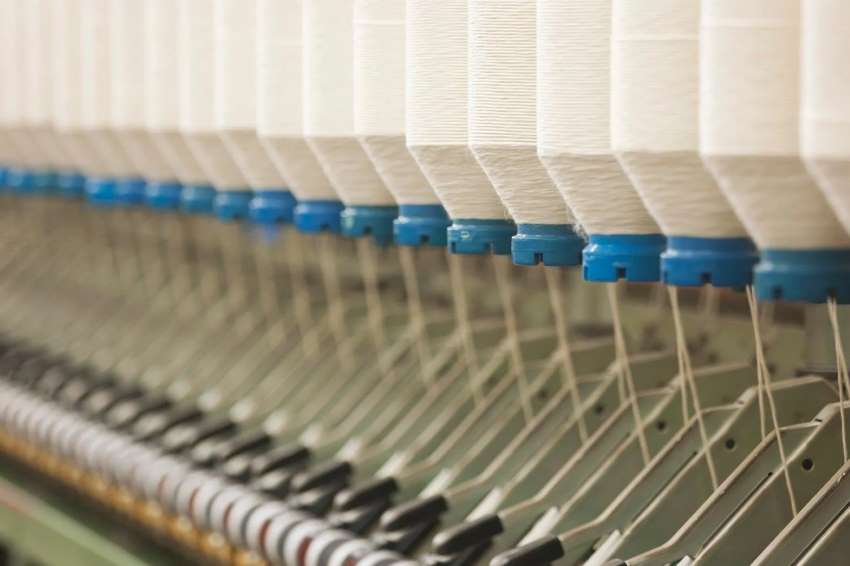
The global textile machinery landscape is undergoing a decisive transformation, characterized by a transition from traditional production to highly automated, circular-integrated systems. Recent data from the ITM 2026 exhibition underscores this evolution; despite global economic volatility and deferred capital expenditures, the event attracted 48,257 industry professionals. This robust engagement reflects a critical market appetite for machinery that balances operational efficiency with sustainability mandates. Manufacturers are increasingly prioritizing high-performance innovations, such as the new 4-way stretch Textronic eyelash lace introduced by Karl Mayer, which allows for advanced textile engineering capabilities previously unattainable in standard production cycles.
Prioritizing scalable sustainability
The industry is simultaneously shifting its focus toward material innovation and regulatory compliance. Companies like AMSilk are scaling the commercialization of advanced biomaterials, while partnerships, such as the collaboration between Spinnova and NZ Tex Group, demonstrate the industry's commitment to integrating sustainable fibres into high-volume manufacturing. Furthermore, the focus has moved toward research and development in high-performance materials, evidenced by the success of start-ups like Ternafil. Their MaxCarbon hybrid fiber, which merges carbon strength with ceramic-grade thermal resistance, highlights the growing demand for materials capable of meeting the stringent performance requirements of the modern industrial sector.
A central technical base for the global textile value chain
TexData International serves as a central technical database and intelligence hub for the global textile value chain. The organization provides market analysis, industry news, and buyer guides across spinning, knitting, and nonwovens. Its growth strategy emphasizes digital transformation and circular economy initiatives, maintaining a strong financial and operational outlook by supporting 20,000+ subscribers with high-level industry reporting. Founded as a technical information service, it remains a primary reference for global investment and procurement decisions.