FW
Boatriders to capitalize growth in Parisian youth fashion with a new unified popup
The arrival of the Boardriders multi-brand concept at Citadium Caumartin marks a decisive move to consolidate action sports lifestyle brands under a singular, high-energy retail umbrella.
By integrating iconic names like Quiksilver, Billabong, and Roxy into a unified pop-up environment, the group is capitalizing on the seasonal growth in Parisian youth fashion. This installation serves as a strategic testing ground for a more cohesive retail identity, moving away from fragmented single-brand stores to a lifestyle-centric platform. Market analysts observe, this ‘house of brands’ approach allows for higher cross-selling opportunities, as consumers increasingly seek out curated heritage labels that define the surf and skate culture.
Strategic positioning amid global brand transitions
This retail activation coincides with a broader realignment of the Boardriders portfolio following its acquisition by Authentic Brands Group (ABG). The Citadium pop-up is a prime example of ABG’s licensing-led expansion model, aimed at maintaining brand heat while optimizing physical overhead. By securing prime real estate in the heart of Paris, the group is leveraging high footfall to drive its FY 2026 revenue targets. A sector specialist notes, the goal is to maintain the authentic core of surf culture while professionalizing the retail experience for a global metropolitan audience. This move effectively bridges the gap between technical boardshorts and mainstream streetwear, positioning the brands to capture a larger share of the European lifestyle market.
A leading global lifestyle and sports company, Boardriders Action Sports designs and distributes branded apparel, footwear, and accessories. Their portfolio includes Quiksilver, Billabong, and Roxy, targeting the surf, skate, and snow sectors. Now under Authentic Brands Group ownership, the firm is scaling its global licensing reach to enhance profitability and market presence.
Beyond the DTC Rush: Levi’s hybrid channel strategy sets a new retail benchmark
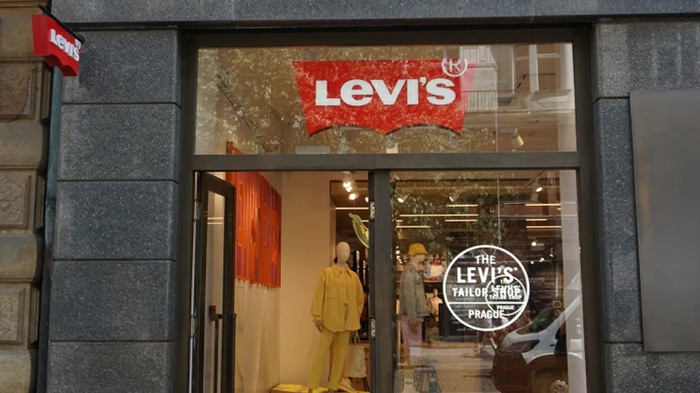
The global apparel sector is entering a phase where channel strategy is no longer a tactical lever but a core determinant of profitability. Levi Strauss & Co. has emerged as a defining case study in this shift, reporting that direct-to-consumer (DTC) channels now account for 52 per cent of its total revenues in the first quarter of fiscal 2026.
This milestone is not merely symbolic. It reflects a disciplined rebalancing of distribution, where digital platforms and company-operated stores scale in tandem with a still-expanding wholesale network. With quarterly revenues rising 14 per cent to $1.74 billion, Levi’s performance signals a move away from the industry’s earlier DTC at any cost focus to a more measured, hybridized commercial architecture.
Reframing the channel debate
The difference in channel strategies across global sportswear and denim majors has become increasingly pronounced. Nike, for instance, pursued an aggressive DTC shift by sharply reducing wholesale partnerships. While this initially increased margins and brand control, it eventually created distribution voids and inventory imbalances, forcing a relook and a renewed emphasis on wholesale partnerships by late 2025.
Levi’s, under CEO Michelle Gass, has taken a different route. The company’s ‘DTC-first but not DTC-exclusive’ philosophy has enabled it to scale its owned retail footprint now over 1,200 stores, without eroding wholesale productivity. Notably, wholesale revenues grew 12% during the quarter, underscoring that DTC expansion has been demand-led rather than substitution-driven. This distinction is critical. Rather than cannibalizing existing channels, Levi’s has increased total addressable demand, preserving its presence across diverse consumer touchpoints.
Growth anchored in channel synergy
The company’s regional performance shows how DTC and wholesale integration is driving growth across markets.
Table 1: Levi Strauss & Co. Q1 2026 revenue by region
|
Region |
Reported growth |
Organic growth |
DTC share growth |
|
Americas |
+9% |
+7% |
+10% |
|
Europe |
+24% |
+10% |
+19% |
|
Asia |
+13% |
+12% |
+18% |
|
Global Total |
+14% |
+9% |
+16% (Total DTC) |
The table highlights a dual-engine growth model. Europe emerges as a standout, combining strong reported growth with a sharp increase in DTC penetration, indicating successful premiumization and retail expansion. Asia, meanwhile, shows balanced organic growth and rising DTC contribution, reflecting both market maturity and digital adoption. Importantly, the Americas, Levi’s most established market continues to deliver steady gains, suggesting that the hybrid model is resilient even in saturated environments.
Monetizing brand control without overreach
Levi’s channel strategy is closely tied to its margin profile. The company reported a gross margin of 61.9 per cent, supported by disciplined pricing and reduced reliance on promotions. While operating margins reduced slightly to 11.4 per cent due to planned marketing investments and tariff pressures, the higher DTC mix is acting as a structural buffer against volatility.
The company’s ‘Behind Every Original’ campaign has increased brand equity, driving a 17 per cent increase in organic e-commerce and a 7 per cent rise in comparable store sales. This shows an advantage of DTC channels: the ability to directly translate brand storytelling into measurable commercial outcomes.
Equally significant is inventory management. Levi’s inventory grew by just 4 per cent, a stark contrast to the double-digit overhangs seen across the sector in recent cycles. By maintaining tighter control over demand signals through its owned channels, the company has avoided the markdown-heavy corrections that have eroded margins for many competitors.
Lessons from competing models
The Levi’s approach is increasingly influencing peers facing their own channel transitions.
Table 2: Comparative channel strategies in global apparel
|
Company |
Strategy |
Current outcome |
|
Nike |
Aggressive DTC push; reduced wholesale exposure. |
Rebuilding wholesale after distribution gaps. |
|
Under Armour |
Targeting 50% DTC via brand-owned stores. |
Transition underway amid revenue pressures. |
|
Adidas |
Rebalancing channels post inventory corrections. |
Stabilizing with mixed distribution strategy. |
|
Levi Strauss & Co. |
Balanced DTC expansion with simultaneous wholesale growth. |
Achieved 52% DTC with 12% wholesale growth. |
This comparison underscores a broader industry lesson: channel transformation is not merely about increasing DTC share, but about sequencing that transition without destabilizing distribution. Levi’s success lies in synchronizing both channels rather than prioritizing one at the expense of the other.
From denim specialist to lifestyle platform
Beyond channel metrics, Levi’s evolution reflects a deeper shift from a wholesale-driven denim manufacturer to a diversified lifestyle brand. The company’s presence across over 100 countries, along with its focus on women’s wear and international markets, is boosting its revenue base beyond core denim categories. It raised fiscal 2026 adjusted EPS guidance of $1.42-$1.48 signals confidence in both demand momentum and operational discipline. More importantly, it highlights the scalability of a model where channel strategy is embedded into product storytelling and consumer engagement.
Thus Levi’s 52 per cent DTC milestone is less about hitting a numerical threshold and more about redefining how brands interact with consumers. The company’s hybrid model demonstrates that owning the customer relationship does not require abandoning wholesale reach. As the apparel sector deals with demand volatility, inventory risks, and margin pressures, the Levi’s playbook offers a pragmatic path forward: build direct channels to capture value, but sustain wholesale networks to preserve scale. In an increasingly fragmented retail environment, it is this balance not extremity that is emerging as the true driver of resilience.
Bluesign pivots to unified labeling to navigate tightening Eu green claims regulations
In a strategic response to heightening regulatory pressure regarding environmental transparency, Switzerland-based bluesign technologies ag has unveiled ‘bluepass,’ a streamlined certification framework designed to standardize sustainability claims across the global textile value chain.
Launched on April 23, 2026, this new system effectively retires the long-standing ‘bluesign Product’ and ‘bluesign Approved’ designations. The transition marks a material shift from fragmented marketing narratives to a data-centric model, integrating a unified certification mark across three distinct levels: finished consumer goods, intermediate materials, and chemical inputs. By consolidating these labels, bluesign aims to provide its network of over 900 global system partners with a singular, verifiable language to communicate environmental and social responsibility.
Digital verification bridge addresses upcoming legal deadlines
The introduction of bluepass is timed specifically to address the European Union’s Empowering Consumers for the Green Transition Directive (ECGT), which mandates that all environmental claims be substantiated by verifiable evidence starting September 27, 2026. To meet these rigorous legal requirements, the bluepass system utilizes a standardized label structure equipped with QR codes that link directly to a bluesign-managed verification platform. This digital integration allows consumers and regulators to access primary production data and assessment criteria in real-time, effectively separating independent certification from self-defined industry claims. As the sector prepares for future digital product passports, this move positions bluesign as a critical infrastructure provider for brands seeking to mitigate the legal risks of "greenwashing" while maintaining supply chain traceability.
Tinycottons boosts US market presence with Miami logistics hub and retail expansion
Barcelona-based premium childrenswear label Tinycottons has inaugurated a new regional distribution center in Miami, marking a significant escalation in its North American operations. This logistical milestone serves as the operational foundation for an ambitious retail rollout across the United States. By establishing a localized supply chain, the brand aims to reduce trans-Atlantic shipping lead times by approximately 40 per cent, directly addressing the increasing demand from a US consumer base that now contributes nearly 25 per cent of the global online kids’ apparel market. The Miami facility is strategically positioned to handle high-volume inventory cycles, ensuring that the brand’s signature Pima cotton collections reach American households with the speed required by modern omnichannel retail.
Capitalizing on the sustainable luxury boom in children’s fashion
The expansion coincides with a broader shift in the US apparel sector toward ‘collectible’ and eco-conscious kids’ fashion, a market projected to grow at a CAGR of 9.8 per cent through 2029. Tinycottons is leveraging its reputation for ‘Made in Europe’ quality to secure premium real estate for a series of upcoming store openings in key urban hubs, including New York and Los Angeles. These physical touchpoints are designed to function as brand immersion centers, bridging the gap between digital discovery and tactile engagement. The US market represents our most dynamic growth opportunity; our goal is to synchronize our playful storytelling with a sophisticated, local-first retail experience, noted a brand representative regarding the 2026 roadmap.
Operational resilience amidst global sector headwinds
While the global textile industry faces rising input costs and supply chain volatility, Tinycottons maintains a robust operating margin through its vertically integrated European production model. The brand’s pivot toward a US-centric distribution framework is a calculated move to mitigate high international freight costs while capturing a larger share of the $44 billion North American children's clothing segment. By integrating high-performance natural fibers with a digital-first logistics strategy, the company is positioning itself to challenge established premium incumbents. This dual-track approach - combining industrial scalability with artisanal brand identity - serves as a benchmark for independent European labels seeking to navigate the complex US retail landscape.
Founded in 2012 by Barb Bruno and Gerard Lazcano, Tinycottons is a Barcelona-based premium label specializing
Moynat makes Italian debut with first store at 3 Via Monte Napoleone
Parisian trunkmaker Moynat has officially inaugurated its first Italian boutique at 3 Via Monte Napoleone, securing a vital position on the street that was recently crowned the world’s most expensive retail corridor. The debut at this 16th-century palazzo represents more than a geographic expansion; it is a tactical deployment within a ‘Quadrilatero della moda’ that now commands annual rents exceeding €21,000 per sq m. This move aligns with a broader industry shift where heritage houses are deprioritizing mass-market spectacle in favor of ‘experience-led’ environments. The Milan boutique serves as a tactile exhibition space, featuring site-specific installations from contemporary designers that recast functional trunks as sculptural art, catering to a discerning Italian demographic that values understated luxury over overt branding.
Strategic portfolio positioning amidst LVMH normalization
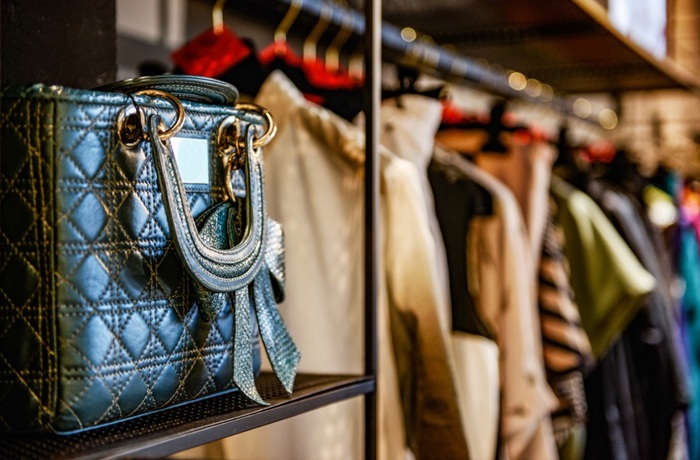
The Milanese entry coincides with a stabilizing fiscal environment for parent group LVMH, which reported 2025 revenues of €80.8 billion. While the Fashion & Leather Goods segment faced a 1 per cent organic growth adjustment following years of post-pandemic acceleration, the ‘Maison’ model remains the group's primary value driver. Moynat’s expansion is indicative of LVMH's strategy to boost its high-margin, ‘quiet luxury’ labels. By integrating historical savoir-faire - such as the 1920 M monogram and the signature Gabrielle handbag - into Milan’s design-centric culture, Moynat is capturing a larger share of the ‘collectible luxury’ market. This focus on craftsmanship-driven storytelling allows the brand to maintain an exclusive retail identity while navigating the logistical complexities of a global supply chain increasingly focused on circularity and certified raw materials.
Category diversification and the high-net-worth opportunity
To sustain momentum in 2026, Moynat is leveraging its storied history of innovation, including patented waterproof canvases and the iconic ‘Limousine’ trunk, to appeal to high-net-worth individuals (HNIs). The brand’s product pipeline is expanding beyond travel goods into a comprehensive ‘lifestyle’ portfolio, featuring precious material handbags like the Gabrielle Nano, which requires 20 hours of manual labor per unit. As Milan reinforces its status as a creative and business hub, Moynat’s presence at Via Monte Napoleone positions it to capitalize on the city's unique high-spending visitor segment. This strategic alignment between artisanal excellence and premier real estate is set to drive Moynat’s long-term growth as a benchmark for independent heritage brands within a consolidated global market.
Parisian trunkmaker savoir-faire
Founded in 1849 by Pauline Moynat, the Maison is a premier Parisian trunkmaker specializing in ultra-luxury leather goods and bespoke travel accessories. Now part of LVMH, Moynat is expanding globally with a 2026 focus on Milan and the Middle East. Financials remain resilient, supported by high-margin, artisan-crafted collections.
Brazil’s fiber powerhouse: Record export momentum meets 2026 supply headwinds
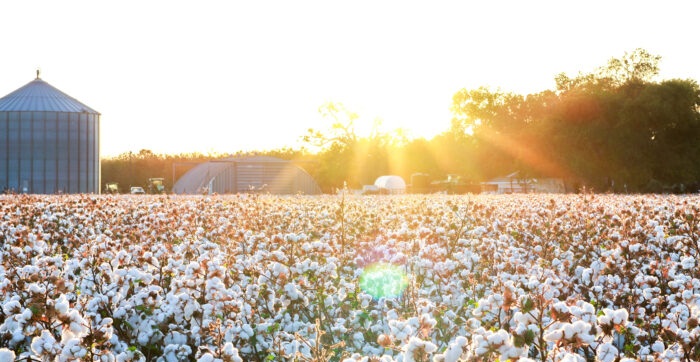
Brazil has reinforced its standing as the world’s leading cotton exporter, with the state of Mato Grosso alone shipping a record-shattering 219,760 tons in March 2026. This performance - a 2.62 per cent Y-o-Y increase - marks the highest volume ever recorded for the month. National export revenues in the broader agricultural segment increased by 5.9 per cent in the first quarter, driven by aggressive demand from China, which currently absorbs over 30 per cent of Brazil’s trade flow. This historic shipment cycle is the culmination of a high-yield ‘bumper’ season, successfully positioning Brazilian fiber as a more cost-effective alternative to US upland cotton in Asian textile hubs.
Anticipated production contraction and acreage shifts
Despite current export records, the MY26/27 signals a deliberate structural retreat. The Brazilian Cotton Producers Association (Abrapa) forecasts a nearly 10 per cent decline in total lint production, with output estimated at 3.829 million tons. This contraction is fueled by high interest rates and a strategic 5.5 per cent reduction in planted area as mid-sized farmers rotate land toward corn to optimize soil health and mitigate credit risks. The reduction in area is a calculated response to global supply surpluses and the rising competitiveness of synthetic fibers, stated Marcio Portocarrero, Executive Director, Abrapa.
Textile market dynamics and pricing trajectory
The looming supply tightening has already catalyzed a recovery in international pricing. As of late April 2026, benchmark cotton futures have breached the 80-cent mark, hitting two-year highs as expectations of reduced yields in both Brazil and dry-stricken US regions intensify. For the global apparel industry, this shift suggests a move away from the surplus-driven price lows of 2025. Textile enterprises are currently accelerating inventory restocking to lock in rates before the forecasted ‘destocking cycle’ takes full effect. Brazil’s ability to maintain high carryover stocks will be the critical buffer for global spinning mills facing a volatile 2026 harvest outlook.
A premier supplier of sustainable cotton
Brazil is a premier global supplier of high-quality, sustainable cotton, led by the state of Mato Grosso. The industry focuses on high-volume exports to China and Southeast Asia. While current exports are at record highs, 2026 plans involve a strategic 10 per cent production cut to stabilize margins against rising operational costs.
Vardhman Textiles aims for energy self-sufficiency with new acquisition
Amidst persistent margin pressures in the Indian spinning sector, Vardhman Textiles has accelerated its transition toward energy self-sufficiency to mitigate volatile power costs. The textile major recently approved a Rs 24.29 crore investment to acquire a 31.2 per cent equity stake in ReNew Green (MPR Four). This capital injection is earmarked for the development of a 19 MW wind-solar hybrid power plant in Madhya Pradesh, a strategic move designed to secure a dedicated captive power supply. By integrating renewable energy assets directly into its operational overheads, Vardhman aims to insulate its production lines - spanning yarn, fabric, and threads - from the inflationary trends seen in conventional grid electricity.
Decoupling production from fossil fuel volatility
This hybrid project is a part of a broader capital expenditure roadmap that seeks to increase Vardhman’s green energy consumption from a modest 9 per cent to nearly 50 per cent by FY2027. The shift is necessitated by a challenging fiscal environment; in Q3 FY2026, the company reported a 20.43 per cent Y-o-Y decline in net profit to Rs 168.50 crore, primarily due to compressed margins and high input costs. Scaling our renewable portfolio is no longer just an environmental mandate but a fundamental fiscal strategy to preserve midstream profitability, noted a senior executive close to the firm’s ESG planning.
Strengthening the vertically integrated value chain
The investment follows a similar Rs 50.52 crore commitment to a 30 MW solar facility in Punjab, signaling a geographic diversification of its energy assets. As global apparel brands increasingly demand carbon-neutral supply chains, Vardhman’s aggressive decarbonization serves as a competitive differentiator. By securing long-term power purchase agreements through these special purpose vehicles, the company is effectively locking in lower energy tariffs, providing a much-needed buffer for its fabric expansion projects in Budhni and its garment division, which is slated for a capacity doubling in the coming months.
Operations and global reach
Vardhman Textiles is India’s largest vertically integrated textile manufacturer, specializing in cotton yarn, synthetic blends, and processed fabrics. Operating 15 manufacturing facilities, the company is currently expanding its garmenting and performance fabric divisions. Despite recent margin contraction in its Q3 FY2026 results, Vardhman maintains a dominant market share in both domestic and international apparel supply chains.
Bangladesh accelerates circular transition to shield apparel exports post-LDC graduation
As Bangladesh prepares for its landmark graduation from Least Developed Country (LDC) status in 2026, the Ministry of Commerce is accelerating the finalization of the National Strategy on Circular Economy. This framework is designed to transition the ready-made garment (RMG) sector from a linear ‘take-make-dispose’ model to a closed-loop system. The urgency is underscored by the European Union’s impending Ecodesign for Sustainable Products Regulation (ESPR), which will mandate high recycled content for apparel entering the bloc. By formalizing a circular roadmap, Bangladesh aims to secure its US$ 45 billion annual export value against rising duty-free phase-outs and more stringent environmental due diligence from global buyers.
Upcycling pre-consumer waste into high-value fiber
The domestic industry currently generates approximately 577,000 tons of textile waste annually, with nearly 50 per cent consisting of pure cotton scraps. Transitioning to circularity is no longer a choice but a commercial necessity to safeguard our margins, noted a senior representative from the Bangladesh Garment Manufacturers and Exporters Association (BGMEA) during a national consultation in April 2026. Pilot data from the SWITCH2CE project reveals, advanced segregation at the factory level can reduce fabric wastage to under 3 per cent, down from the historical 8 per cent. Local mills are now investing heavily in mechanical recycling technologies to process these ‘jhut’ scraps into recycled yarn, offering a cost-effective alternative to increasingly expensive virgin cotton imports.
Infrastructure gaps and investment opportunities
Despite the momentum, the sector faces significant bottlenecks in blended fiber recycling and a lack of large-scale infrastructure for post-consumer waste. However, the 2026 strategy provides a vital policy signal to international investors. Recent trade data indicates, while average unit prices for Bangladeshi apparel in the EU contracted by 3.84 per cent in 2025, volume growth remains resilient. To bridge the value gap, the government is incentivizing the adoption of AI-driven production scheduling and Zero Liquid Discharge (ZLD) systems. These investments are projected to position Bangladesh as a global leader in sustainable textile manufacturing, turning environmental compliance into a primary competitive advantage.
BGMEA: Driving innovation in global apparel
The BGMEA represents the $45 billion Bangladesh RMG sector, specializing in high-volume knitwear and woven garments for the US and EU markets. With a target of $100 billion in exports by 2030, the association is scaling automated production and man-made fiber diversification to ensure long-term financial resilience.
Marketplace giants pivot to community and live commerce at Munich summit
As the European digital landscape enters a period of structural realignment, the 2026 Munich Electronic Commerce Day (ECD) is set to serve as a critical forum for high-level marketplace strategy. Scheduled for May 12, the summit follows a decade of rapid expansion for its organizer, Tradebyte, and arrives at a time when traditional e-commerce models are being challenged by the ‘belonging economy.’ Industry executives from Amazon, Nike, and Zalando will convene to debate how brands can maintain consumer loyalty in an increasingly fragmented market. The primary focus of these discussions will centre on shifting away from transactional retail toward community-driven ecosystems, where cultural zeitgeist and hyper-targeted engagement dictate long-term profitability for lifestyle brands.
Geopolitical expansion and social shopping redefine growth targets
A significant portion of the 2026 agenda is dedicated to the operational complexities of international scaling and the disruptive rise of social-integrated retail. With representatives from Guess? And MCM Worldwide leading panels on North American expansion, the summit highlights a renewed European interest in navigating the evolving regulatory and competitive rules of the US market. Simultaneously, the integration of entertainment and commerce through TikTok Shop and eBay Live marks a material shift in how platforms view the ‘live shopping’ phenomenon. As Matthias Schulte, CEO, TradeByte emphasizes, platform business is fundamentally a human-centric endeavour, the event underscores a broader industry move toward agile, analytics-driven partnerships that prioritize real-time community interaction over static digital storefronts.
French design collective shifts to British market at Scoop 2026
As the post-pandemic fashion landscape shifts toward a demand for authentic, heritage-led craftsmanship, the upcoming edition of Scoop - running July 19–21 at London’s Olympia National - is positioning itself as a primary gateway for French designers targeting the UK. Under the creative direction of Karen Radley, the trade show has transitioned from a generalist platform to a directional showcase for labels like Julie Sion and Mat de Misaine. This strategic curation focuses on ‘individualism over mass-market appeal,’ a move designed to resonate with British buyers who are increasingly moving away from fast-fashion cycles. For Paris-based Sion, the exhibition represents a critical move to capitalize on the British market’s affinity for bold, sculptural storytelling in jewellery, marking a significant international development for the brand.
Coast-to-city lifestyle trends redefine premium export models
The material focus of the July showcase highlights a broader industry shift toward ‘art de vivre’ or lifestyle-centric design, bridging the gap between functional utility and high-end aesthetics. Brands such as Gallego Desportes and Pret Pour Partir are introducing collections that prioritize movement and travel-ready silhouettes, reflecting a market demand for versatile, transit-focused apparel. This seasonal edit moves beyond traditional Parisian tropes, incorporating coastal influences from Vannes and industrial clarity from labels like TravauxenCours. By fostering a design-led environment rather than a transactional one, Scoop is facilitating a deeper cultural exchange, allowing French heritage brands to reinterpret nautical and sartorial traditions for a contemporary, international audience.