FW
Bharat Tex 2024: Redefining global textiles standards
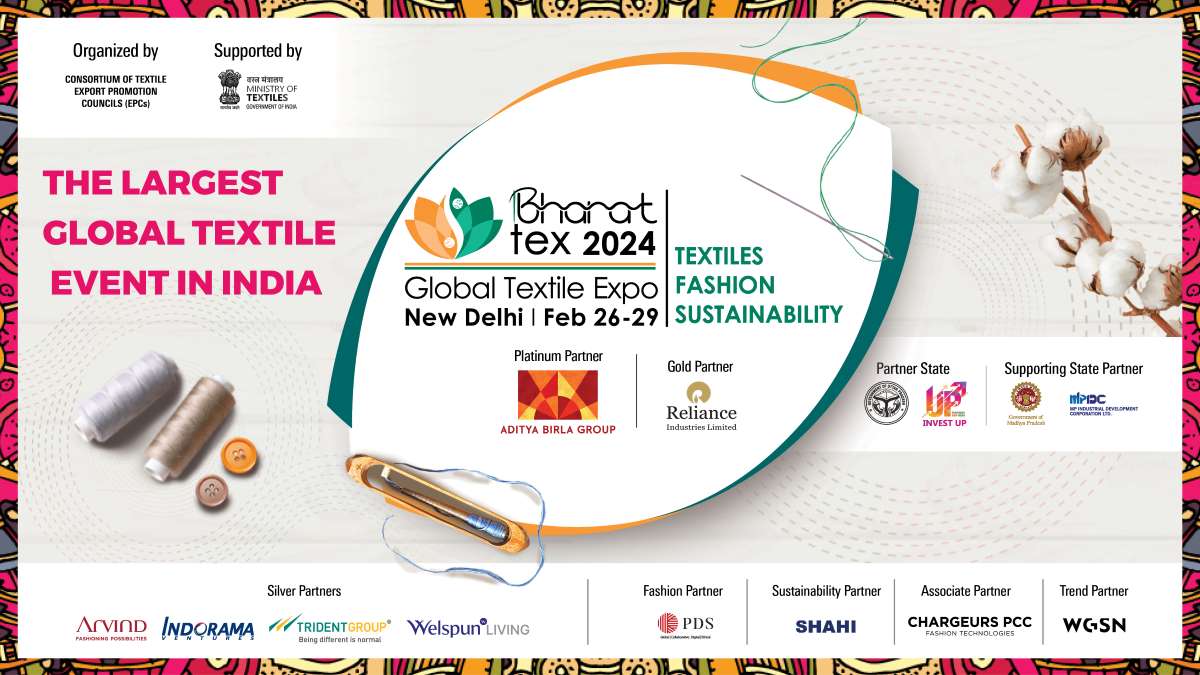
Bharat Tex 2024, India's flagship global textile event, is set to take place in New Delhi from February 26-29, 2024, at Bharat Mandapam and Yashobhoomi. With the esteemed patronage of the Ministry of Textiles, Government of India, and organized by a Consortium of Textile Export Promotion Councils, this event aims to reshape industry standards through strategic alliances.
Strategic Collaborations for Growth and Innovation
Underlining its commitment to growth, innovation, and sustainability, Bharat Tex 2024 proudly announces collaborations with leading national and international textile associations, corporate entities, and Indian states. These partnerships signify a significant leap forward for the textile industry.
State Partnerships and Corporate Alliances
Bharat Tex 2024 proudly designates Uttar Pradesh as the 'Partner State' and Madhya Pradesh as the 'Supporting Partner State.' Corporate alliances include Aditya Birla Group, Reliance Industries Limited, Arvind Ltd, Indorama Ventures, Trident Group, Welspun Living, PDS Limited, Shahi, Chargeurs PCC, and WGSN.
Global Recognition and Commitment to Innovation
These collaborations, with recognized entities in the textile industry globally, reinforce Bharat Tex 2024's commitment to showcasing innovation, India's textile legacy, and sustainable practices on a global stage.
Bharat Tex 2024 and Prime Minister Modi's 5F Vision
Aligned with Hon'ble Prime Minister Narendra Modi's 5F vision, Bharat Tex 2024 embodies the 'Farm to Fibre to Factory to Fashion to Foreign' concept. Envisaged as the largest global textile event, it anticipates participation from 40+ countries, featuring 3000+ exhibitors and attracting 40,000+ visitors.
Comprehensive Showcase of Textile Industry Value Chain
Bharat Tex 2024 is positioned as a comprehensive showcase, spanning India's cultural heritage, textile traditions, and the latest technological innovations across the textile industry value chain.
Domestic and International Collaborations
Domestic collaborations include renowned associations such as CITI, SIMA, TEA, ATMA, CMAI, BSLA, SGCCI, GMEA, SPAI, PTAIA, DMA, IIGF, and HCC. International associations like BGMEA and ITMF also contribute to the event's global stature.
Corporate Voices on the Partnerships
Representatives from Aditya Birla Group and Reliance Industries express gratitude and enthusiasm for their roles as key partners, aligning with Prime Minister Modi's vision.
Leadership Perspectives on Collaborations
Leadership figures within Bharat Tex 2024 express gratitude for the invaluable collaborations, acknowledging the transformative potential these partnerships hold for the textile industry.
Bharat Tex 2024: Catalyst for Global Textile Advancements
This event stands as a testament to India's commitment to leading the textile revolution globally. Partnerships underscore its significance as a beacon for international collaborations, pushing boundaries, and propelling the textile industry toward growth and sustainability.
Propelling the Textile Sector Towards Transformation
Bharat Tex 2024 aims to catalyze advancements transcending geographical boundaries, positioning India as a textile industry powerhouse. Focusing on knowledge exchange, technological innovations, and sustainable practices, this collaborative effort aims to redefine the textile industry landscape for mutual growth and development.
Pharrell Williams unveils 3rd men’s collection at Paris Fashion Week
Designer Pharrell Williams unveiled his third men’s collection for Louis Vuitton at the ongoing Paris Fashion Week. To run until January 21, the Paris Fashion Week is showcasing 74 brands, of which 41 brands will be introduced on the catwalks.
The show is being attended by all big luxury brands from Dior Homme to Hermes, Loewe, Dries Van Noten, Paul Smith, Rick Owens and Givenchy, alongside leading Japanese designers and creative brands such as Wales Bonner, Botter and Lemaire.
Besides Pharrell William’s, the Paris Fashion Week will also host events like the Louis Gabriel Nochi show which will present the designers’ new collection inspired by Guy de Maupassant’s Bel Ami.
This year, the Paris Fashion Week will start with Japanese brand Auralee followed by American brand Winnie and China's Ziggy Chen, who will close the week on Sunday, January 21.
On the presentation program, Paris Men's Week welcomes three new brands: Kartik Research, founded in 2021 by Indian designer Kartik Kumra; Meta Campania Collective, the discreet luxury brand born in Paris under the impetus of Jon Strassburg, Heiko Keinath and Constanze Walcher; and another French label, Ouest Paris, helmed by Arthur Robert, which will be joining the Sphère showroom, from January 17 to 21, alongside Jeanne Friot, Steven Passaro, Lagos Space Program Rolf Ekroth and Valette Studio.
Shein expands design competition across the world
Online fast-fashion retailer Shein has expanded its Shein X Challenge to include participants from around the globe.
Launched under the Shein X Designer Incubator Program, The Shein X Challenge, celebrated its third anniversary this year. It was originally limited to submissions from EU member states and the United Kingdom in its 2023. However, from its 2024 edition, the competition has expanded and will now accept entries from across the world. The theme for Shein X Challenge 2024 is 'Radiance', and the deadline for submissions is February 15, local time.
Judges for the competition include seasoned professionals from across the fashion industry including Adrien Robers, International Fashion Education Consultant, Italy; Julien Fournie, Founder, Julien Fournie Haute Couture, Paris; Jill Wanless, Editor, United Kingdom and Colin Horgan, Independent Designer, Ireland.
The 10 finalists will undergo a masterclass by the judges and workshops on sustainable fashion. They will present their submissions at the final round of the competition with winners set to be in March 2024.
The winner of the online competition will receive €10,000. The judges, on the other hand, will select three submissions for special awards, each winning €5,000. An additional six finalists will receive €3,000 each. The grand finale of the show will be, streamed globally.
In September 2023, Shein announced an additional investment of $50 million towards the Shein X Designer Incubator Program. This will help the e-commerce operator empower up to 5,000 emerging designers over the next five years to build their own successful brands.
Having onboarded over 4,600 designers and artists globally, the program has launched more than 41,000 original creations.
Global smart clothing market to grow at 32.3% CAGR till 2030: Report
Spurred by the growing integration of electronic devices into clothing, the global e-textiles and smart clothing market is project to grow at a robust CAGR of 32.3 per cent from 2024-2030 to reach $2.7 billion by 2030.
According to a report by Ameco Research, growth in the global smart clothing market will be led by upper wear including smart jackets and shirts, due to the speedy real-time data collection and processing capabilities of these garments.
Growth in the e-textiles market will be led by active smart textiles that can adapted to environmental changes. The military and defense sector will drive the growth of this market as it continues to invest in cutting-edge uniforms. The leading region for this market will be Asia-Pacific region though North America will also dominate in this sector.
The market is being driven by various innovative textiles that use body movements to generate electricity and integrated sensors and circuits that make smart textiles more useful and adaptable for daily usage.
EURATEX urges swift conclusion of EU-Mercosur trade deal
European industry leaders, represented by EURATEX and 22 industry associations, have urgently appealed to the EU Presidents in a joint letter to expedite the finalization of trade negotiations with Mercosur. The letter, addressed to Presidents Metsola, Michel, and von der Leyen, emphasizes the time-sensitive nature of reaching an agreement. The associations, spanning diverse sectors from manufacturing to food-related industries, stress the potential economic benefits of the EU-Mercosur deal.
The proposed agreement is deemed crucial for enhancing economic integration, diversifying value chains, and bolstering the competitiveness of European export-oriented sectors, which contribute significantly to job creation and the well-being of citizens. Positioned as an opportunity for the EU to establish a first-mover advantage with one of the world's largest economies, the deal aims to dismantle trade barriers and open up Mercosur's market with over 270 million consumers.
Given the EU's reliance on external sources for key raw materials and the anticipated global growth outside the EU in the coming decade, the agreement is framed as an economic, social, and geopolitical imperative. The industry leaders emphasize the agreement's role in maintaining a robust industrial structure, safeguarding jobs, and supporting the EU's green and digital transition.
Acknowledging environmental concerns, the letter underscores the EU-Mercosur agreement as a mechanism to collaborate on maintaining the Mercosur region's sustainable development commitments, including the prevention of illegal deforestation. The industry leaders call on European leaders to swiftly conclude and ratify the agreement, emphasizing its significance in the face of economic challenges and the need for strategic partnerships.
BTMA: Vickers Oils secures reliability for Lonati knitting machines
Vickers Oils, a member of the British Textile Machinery Association (BTMA), has achieved a significant milestone in its collaboration with Lonati, a leader in knitting machinery. The company has earned Original Equipment Manufacturer (OEM) approval for its VICKERLUBE SOCK 46 needle oil, a mineral-based lubricant designed for modern knitting machines. Lonati, renowned for designing and manufacturing 8,000 knitting machines annually, officially recommends VICKERLUBE SOCK 46 for use in its single-cylinder GOAL series.
This achievement follows rigorous testing and trials, highlighting the lubricant's ability to reduce wear and deposit formation, ensuring trouble-free running and extended needle life. VICKERLUBE SOCK 46's compatibility with all machine components, including those producing challenging elastanes, underscores its significance in achieving high-quality end products.
Vickers Oils, based in Leeds, shares Lonati's commitment to research and development, technological leadership, and quality control. The lubricant's adherence to sustainability standards, including Global Organic Textile Standard (GOTS) and ZDHC MRSL Level 1 certification, aligns with the industry's emphasis on eco-friendly practices.
BTMA CEO Jason Kent emphasizes the importance of specified and sustainable lubrication for modern textile machines, acknowledging Vickers Oils' crucial role in ensuring the precision and longevity of Lonati's knitting machines. VICKERLUBE SOCK 46's role in enabling smooth, automated operation aligns with the industry trend towards increased automation through software advances.
Will big players queer the pitch for smaller, established retailers in India's thriving value retail market?
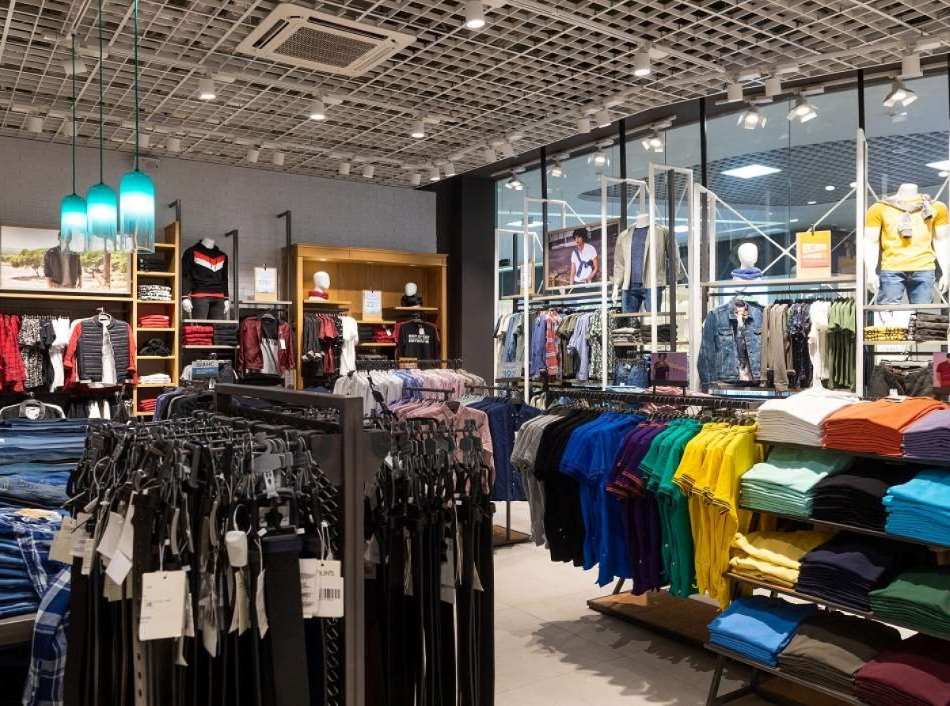
India's value retail market, excluding food and grocery, is poised for meteoric rise, with a projected growth from $111 billion in FY23 to a staggering $170 billion by 2026. This translates to a robust compound annual growth rate (CAGR) of 15 per cent for the segment, outpacing overall retail sector's anticipated 10 per cent growth. This highlights the immense potential of value retail in India.
Apparel Takes Center Stage
Leading the charge is the apparel segment, with its diverse range of affordable clothing, footwear, and accessories attracting significant consumer interest. Pioneered by Max, a retail format from Landmark Retail, this trend is now fueled by the entry and expansion of major retailers like Reliance Retail's Yousta, Aditya Birla Fashion & Retail’s Style-Up, and Shoppers Stop's InTune, all capitalizing on the growing demand for value-oriented fashion. Trent's Zudio stands as a testament to the success of this strategy, paving the way for further investments in the sector.
Organized vs Unorganized: A Divided Landscape
Despite the organized retail boom, unorganized players still hold 79 per cent market share, primarily driven by their competitive pricing and focus on unbranded goods. Organized retail, encompassing both physical and digital formats, currently constitutes only 21 per cent, highlighting the significant room for growth in this space.
Accessible Pricing: The Key to Success
The key to unlocking the potential of value retail in India lies in offering accessible pricing across essential categories, targeting the mass, economy, and mid-economy segments. This requires a deep understanding of consumer preferences and a focus on delivering value for money.
Digital Drives Growth Beyond Metros
While organized brick-and-mortar retail faces challenges in smaller cities, digital channels are emerging as a powerful growth engine. Platforms like Amazon, Flipkart, and Snapdeal are expanding their reach beyond major cities, catering to the burgeoning demand for value-oriented products in Tier II and III markets.
Evolution of Value Retail
The Indian value retail market has undergone a distinct evolution over the years. It began in 1995-2010 with the rise of large retailers like Shoppers Stop and Westside, focusing on mid-to-premium brands in metros.
The scenario changed in 2004 with Max Retail owned by the Landmark Group making a splash in the value segment. It catered to the mass and mid-market segments offering a wide range of affordable clothing, footwear, accessories, and homeware. From 2010 to 2015 emerged more value-oriented players like M-Bazaar and Citi Style, catering to Tier II and III markets. This led to a clear segmentation between national chains and regional champions, particularly in the fashion segment.
Data Points
• Average Transaction Value: Rs 500 to Rs 2,500, with average basket sizes of 2.5 to 7 items.
• Store Location: 50% of value retail stores are located in tier 3 or smaller cities and towns.
Frontrunners
• Max emerged the largest player with over 470 stores across India, with a large concentration in Tier II and III cities, with a revenue in FY23 standing at around Rs 8,000 crore.
• Despite pandemic challenges, retailers like Vishal Megamart with 120+ stores; Style Bazaar with 100+ stores and Rs 2000 crore turnover; V Bazaar with 100+ stores, and Rs1500 crore turnover have maintained a CAGR of over 15 per cent from 2018 to 2022.
A Promising Horizon
India’s value retail market has emerged as a lucrative opportunity for both domestic and international players. Some catalysts for growth are: rising disposable incomes, increasing urbanization, and growing adoption of e-commerce. Apparel is expected to remain at the forefront, with organized players making significant inroads into the unorganized market. However, challenges like supply chain disruptions and competition from online marketplaces need to be addressed for sustained success.
The market is poised for a transformative journey. By understanding key drivers, consumer preferences, and evolving trends, businesses can capitalize on this burgeoning market and contribute to the overall growth of the Indian retail landscape.
Made in America's Blind Spot: Can Ethical Fashion Thrive in Red, White, and Blue – at a Price?

The American dream has long been stitched with visions of bustling factories and workers earning their fair share. But beneath the "Made in America" slogan lies a tangled reality, one where ethical production clashes with cost and convenience. Unravelling the complexities of ethical fashion, exploring the struggles of a small Maine-based manufacturer, the dark underbelly of the American garment industry, and the hopeful whispers of a future where fashion aligns with fairness, the story is beyond just patriotism, delving into the intricate web of economics, consumer choices, and the human cost of cheap clothing.
A Mission Stitched with Idealism
Ben and Whitney Waxman, the dreamers behind American Roots, embody the spirit of "Made in America." Their vision: to build a clothing company rooted in local sourcing, fair wages, and ethical practices. Yet, the path is fraught with challenges. Inexperience proves a cunning foe, leading them to navigate the treacherous waters of supplier scams and workforce management. But they persevere, bootstrapping their business to $3.5 million in sales by 2022, a testament to their unwavering commitment.
Beyond the Roots: A Critical Look at Free Trade's Legacy
Slade's gaze extends beyond American Roots, delving into the history of free trade and its impact on American manufacturing. Her critique is sharp, highlighting how free trade policies have led to a "massive upward transfer of wealth" and the hollowing out of American factories. Five million manufacturing jobs vanished between 1994 and 2013, replaced by service industries offering lower wages and fewer benefits. This shift has left America "unable to make what we need," Slade argues, creating a stark dependence on foreign production.
A Blemished Canvas: The Dark Side of American Fashion
However, the American garment industry itself is far from a shining example of ethical production. Piece-rate pay, rampant wage theft, and abysmal working conditions plague major hubs like Los Angeles. Even manufacturers praised by Slade are later revealed to lack basic employee benefits like health insurance. This stark reality exposes the hypocrisy lurking beneath the "Made in America" label, throwing its rosy promises into sharp contrast with the lived experiences of American garment workers.
Can We Mend the Fabric? A Quest for Ethical Production
The central question remains: can ethical fashion truly thrive within the existing American garment industry? Slade argues that simply shifting production back to the US isn't enough. "Absent broader changes," she warns, "a return to US manufacturing alone won't improve wages and conditions for American workers." The average LA garment worker, for instance, earns less than half minimum wage and often works grueling 60-70 hour weeks. These are not the conditions upon which a sustainable and ethical fashion industry can be built.
Beyond Borders: A New Vision for Ethical Manufacturing
So, where does that leave the "Made in America" dream? Perhaps the answer lies not in geographical borders, but in a global commitment to ethical production. Slade proposes a system of universal labor and environmental standards, one that transcends national origin and ensures ethical practices wherever goods are made. This vision extends beyond the limitations of "Made in America," offering a broader and more sustainable path towards a future where both American workers and consumers can benefit from ethical fashion.
American Roots: A Beacon of Hope, a Call to Action
American Roots, with its commitment to fair wages and local sourcing, serves as a beacon of hope within the American garment industry. However, its struggles and the challenges it faces offer a sobering lesson. The "Made in America" dream must evolve beyond slogans and patriotism. It requires a critical lens, a commitment to fair labor practices, and a vision for ethical production that stretches across borders. Only then can this dream truly translate into reality, weaving a new fabric of economic prosperity and ethical responsibility for all.
A Fork in the Road: Cost vs. Value
The siren song of "Made in America" beckons, but its melody fades in the face of reality – often a price tag significantly higher than its outsourced counterparts. Americans face a stark choice: embrace ethically produced, locally-sourced apparel at a premium, or stick with cheaper, globally-manufactured options, potentially overlooking potentially exploitative practices. Polls are mixed, revealing a complex tapestry of consumer behavior. On one hand, a 2023 survey by McKinsey & Company found that 68% of American consumers express a willingness to pay more for sustainable and ethical products. Yet, another study by Retail Dive suggests price remains the primary deciding factor for 72% of shoppers.
The Value-Conscious Consumer
Within this dichotomy lies a spectrum of shoppers. For some, like Gen Z with its heightened social and environmental awareness, ethical considerations outweigh cost. They prioritize brands like American Roots, drawn to its transparent practices and willingness to pay a fair price for quality, ethically-made garments. On the other hand, cost-conscious consumers, particularly those on tighter budgets, prioritize affordability. For them, the extra dollars associated with "Made in America" can be a hurdle, leading them to prioritize lower-priced options, regardless of their origin or manufacturing ethics.
Navigating the Divide
Finding common ground between these seemingly disparate groups is crucial for the "Made in America" movement to reach critical mass. Transparency remains key. Educating consumers about the human and environmental costs of fast fashion, coupled with highlighting the benefits of ethical production for both workers and the planet, can shift perspectives. Additionally, exploring ways to bridge the price gap through innovative business models, collaboration with local producers, and government incentives can make "Made in America" more accessible for a wider range of consumers.
Data Points and Statistics
• Five million American manufacturing jobs disappeared between 1994 and 2013.
• Average salary at American Roots in 2022: $47,000.
• Average LA garment worker's pay: less than half minimum wage.
• 60-70 hour workweeks are standard in LA garment industry.
Texworld Evolution Paris 2024: Unveiling global fashion's future trends
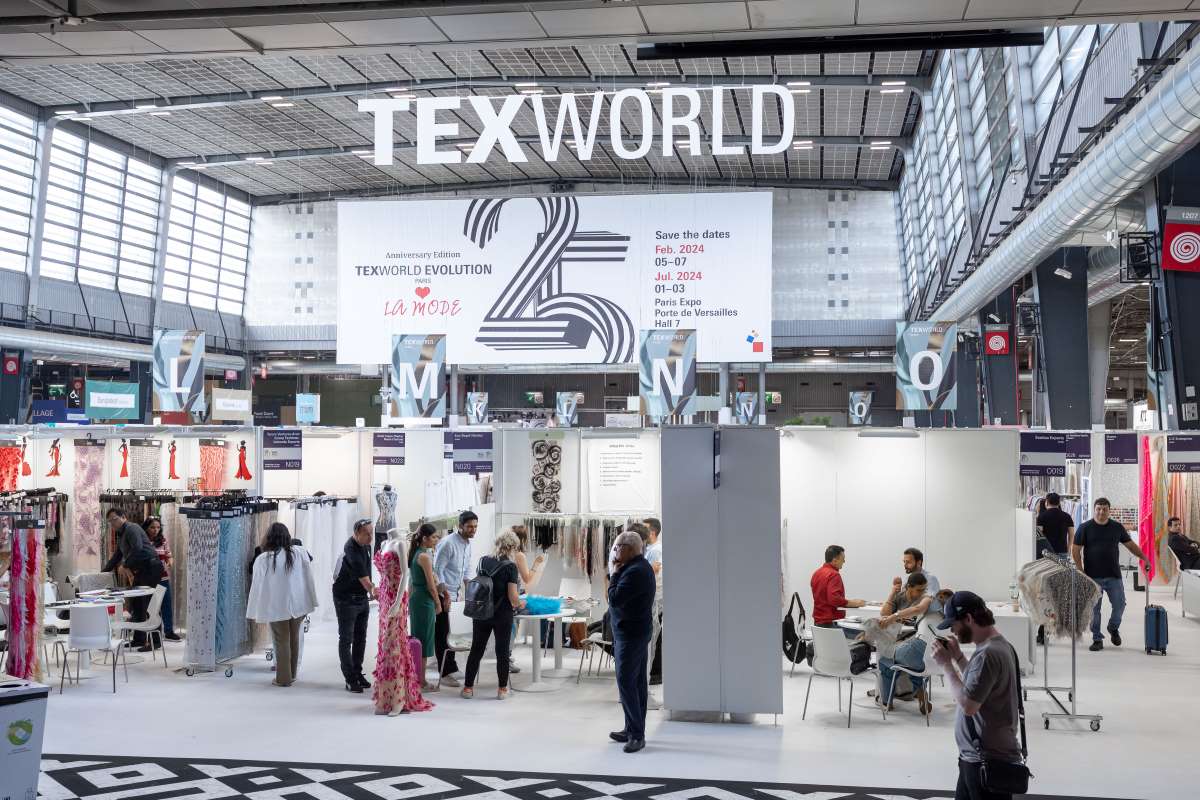
Countdown to D-22 for the opening of Texworld Evolution Paris at the Paris Expo Porte de Versailles. From 5 to 7 February 2024, the heart of global sourcing will be concentrated in Paris for a record edition.
Unprecedented participation breaks records
Texworld and Apparel Sourcing Paris are gearing up for an extraordinary start to 2024, boasting an impressive lineup of 1,260 companies participating in the two shows. This figure shatters the previous record set in February 2019, underscoring the event's pivotal role in the global fashion and apparel industry. The staggering number of international suppliers highlights the centrality of European markets in shaping the fashion sector's landscape.
Essential hub for Spring-Summer 2025 collections
As the countdown continues, Texworld Evolution Paris is poised to be the essential nexus for buyers, serving as a critical point of contact and exchange. The event proves vital for the development of Spring-Summer 2025 collections, emphasizing the importance of the European market for global fashion stakeholders. Spread across the two levels of Hall 7 (7.2 and 7.3), Texworld and Apparel Sourcing promise to bring together a comprehensive array of fabrics, materials, accessories, and finished products.
Texworld showcases global sourcing giants
On the Texworld front, the participation of 760 companies showcases major sourcing countries, with a spotlight on China, Korea, Türkiye, India, Taiwan, and the anticipated return of Indonesia. Noteworthy is Taiwan's resurgence, featuring a high-quality range of silky products and cotton fabrics. Thai manufacturers, specializing in embroidery – a focal point this year alongside knitwear – are set to make a strong impression. The spotlight on performance textiles, notably from European companies like Italy's Aquilatero, further emphasizes their integral role in the 2025 collections.
Apparel Sourcing Paris highlights European manufacturers
Apparel Sourcing, hosting over 500 companies specializing in finished products, will shine a spotlight on European manufacturers. The presence of nine Ukrainian companies underscores the country's long-standing position in the sourcing landscape. Bulgaria and the Foursource hub, showcasing near-sourcing manufacturers in Europe, further enrich the European representation. The Denim Village, spanning over 600 m2 in Hall 7.3, brings together international companies from Bangladesh, China, India, and Pakistan.
Vision, trends, and outlook for Texworld Evolution Paris
True to its reputation as a trendsetter, Texworld Evolution Paris introduces a new dimension for 2024. Each show will feature its own trend area on level 7.3, unveiling innovative samples closely aligned with market trends. The Highlight areas on level 7.2, curated by artistic directors Louis Gérin and Grégory Lamaud, present a diverse array of garments and raw materials to aid buyers in their selection. Denim Village and the Elite sector, representing quality, competitiveness, responsiveness, and logistics, will also feature dedicated Highlight areas. The revamped T-Club serves as a hub for professional exchanges, providing a conducive environment for industry discussions and collaborations. As Texworld Evolution Paris 2024 unfolds, it promises to be an unparalleled showcase of global fashion's future trends and market dynamics.
Gartex Texprocess India 2024: Showcasing textile innovation in Mumbai
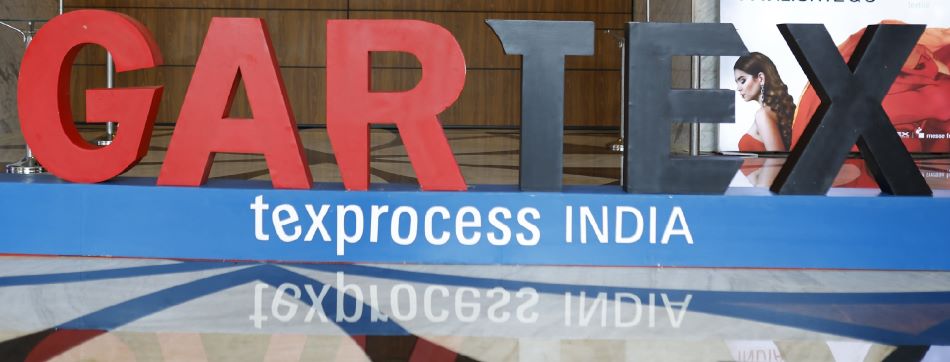
The highly anticipated Gartex Texprocess India, a prominent trade show in the garment manufacturing and textile industry, is gearing up for its 3rd Mumbai edition scheduled from 1-3 February 2024 at the Jio World Convention Centre in Mumbai, Maharashtra. The event is poised to host over 100 exhibitors, with more than 30 new participants joining the show. Renowned as the premier marketplace for textile buyers and sellers, this edition promises to showcase innovations across 32 key product categories in the textile industry.
Innovative displays and co-located shows
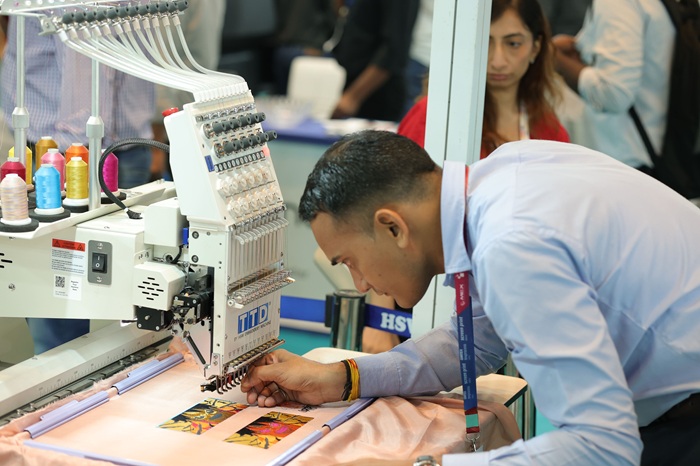
Spanning an expansive 10,000 sqm, the event will feature dynamic displays highlighting cutting-edge machinery, advanced technologies, trending fabrics, and raw materials. This edition places a renewed emphasis on resilient supply chain processes, technological innovations, and sustainable practices. The co-located Denim Show, Fabrics and Trims Show, and the exclusive zone on Screen Print India-Textile will spotlight the continuously evolving innovations in the textile industry.
Global participation and diverse product range
Gartex Texprocess India, a go-to trade fair for the complete textile value chain, has historically attracted international textile companies. The event is set to host brands from India, including Alliance Embroidery, Balaji Sewing Machines, DCC, Geminy, Lenzing Fibres India, and more. International participation is expected from brands like Brother, Bruce, Jack, Pegasus, Siruba, Yumei, representing countries such as Spain, Germany, Japan, Singapore, China, and others.
Exquisite product display
The product display will encompass a diverse range of categories, including Denim Fabrics, Knitting Machines, ERP Solutions, Industrial Sewing Machines, Automation Solutions for Garment Manufacturing, Cutting Plotters, Digital Textile Printers, Heat Transfer Machines, Denim Laser and Finishing Machines, 3D Transfer Labels, Printed Tapes and Elastics, Sequins Chain, Loose for Hand Embroidery, Garment Accessories, and a Large Variety of Fashion Fabrics.
Industry growth and collaboration opportunities
The exhibition is expected to pave the way for business alliances and national and international collaborations to further boost the sector's growth. A report by FICCI-Wazir Advisors estimates the Indian textile and apparel market at USD 165 billion in 2022, with a projected growth to USD 350 billion by 2030. The government's initiatives and manufacturers' focus on circularity position India on the roadmap to become a global textile manufacturing hub.
Industry voices
Raj Manek, Executive Director and Board Member of Messe Frankfurt Asia Holdings Ltd, expressed his satisfaction in bringing the 3rd Mumbai edition, emphasizing the presentation of advanced technological products that deliver high-quality and high-speed performance machinery, textiles, fabrics, denims, screen print solutions, and accessories.
Gaurav Juneja, Director of MEX Exhibitions Pvt Ltd, sees Gartex Texprocess India as a platform for participants to educate the industry about new developments in the textile sphere. He urges exhibitors and visitors to leverage the one-stop selling and sourcing platform, facilitating engagement with the textile value chain under one roof.
Organizers and key supporters
Jointly organized by MEX Exhibitions Pvt Ltd and Messe Frankfurt Trade Fairs India, Gartex Texprocess India receives continued support from the Ministry of Textiles and the Denim Manufacturers Association (DMA). This backing ensures the empowerment of participating companies and the benefit of the entire textile value chain.