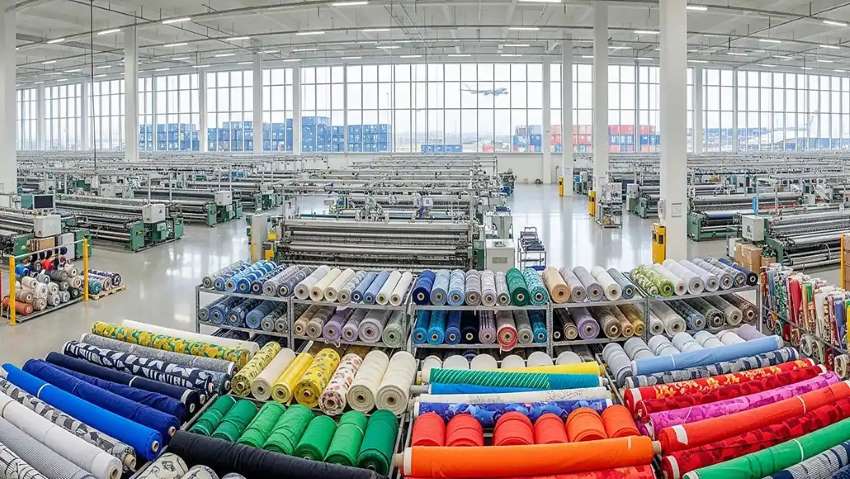
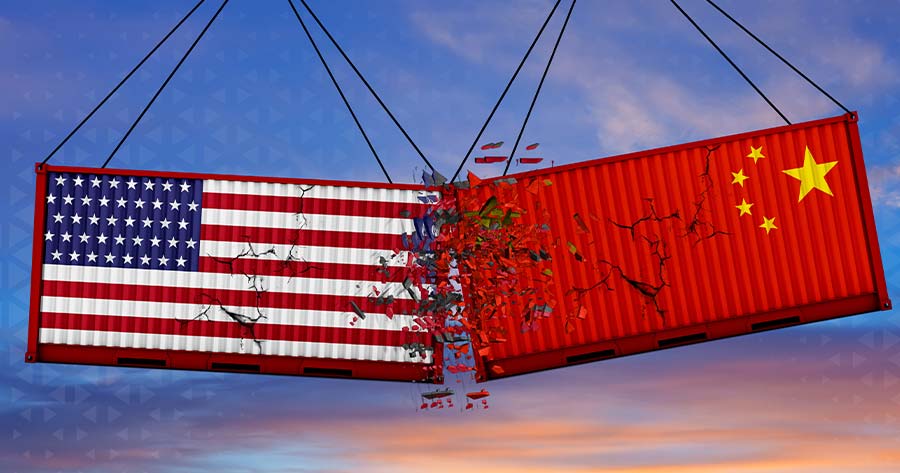
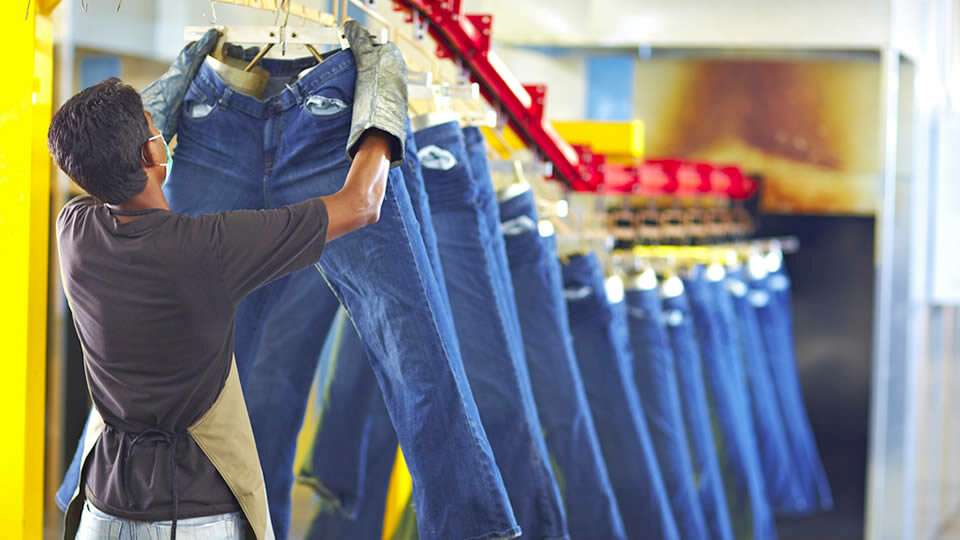
Bangladesh’s cotton imports will continue to grow in the near future. One reason is that retailers and brands are coming back to Bangladesh with a lot of work orders as China has become very expensive because of the trade war. Another important reason is that much of yarn and fabrics in Bangladesh are made from cotton. One very big advantage for Bangladesh is that consumers, especially in the western world, are coming back to natural fiber from manmade artificial fiber with the view to protecting the environment and for comfort. While cotton fibers are biodegradable, polyester and other manmade fibers do not mix with the soil and damage the water and soil quality.
Between 2015 and 2017 Bangladesh imported 2,26,000 bales of cotton each year, but the quantity tripled last year. Currently, Bangladesh imports 11 per cent of its annual total requirement of cotton from the US, which was just four per cent even three years ago. Over time, America’s export of cotton to Bangladesh will grow because of good quality, competitive prices and timely delivery. Cotton USA has ramped up its marketing efforts in Bangladesh for grabbing a bigger market share. It has opened its office in Dhaka and hired some technical persons for educating about cotton use and trade.
- 1
- 2
- 3
- 4
- 5
- 6
- 7
- 8
- 9
- 10
The rise of localized luxury, MEA, North America, and India lead growth
The global luxury industry is no longer defined by relentless expansion. The ‘2025 Global Luxury Brandwatch Report’ highlights a sector... Read more
Hormuz blockade sends shockwaves through India’s textile chain as polyester cost…
What began as a geopolitical escalation in the Gulf has rapidly metastasized into a full-scale industrial disruption for India’s textile... Read more
India’s National Fibre Scheme decouples textiles from global supply risks
For decades the Indian dominated spinning, weaving, and garment exports while remaining paradoxically dependent on imported man-made fibres and specialty... Read more
From London to Tokyo, premiumization redefines retail and office markets
Global real estate landscape has changed. Gone are the cautious narratives of recovery that defined the post-pandemic years. Today, flight... Read more
Compliance drives India’s $176 bn textile shift
India’s textile economy is no longer selling fabric alone; it is selling proof. As compliance rules harden across export markets,... Read more
The second life economy gets a boost as resale outgrows traditional apparel reta…
For decades, resale existed in the margins of the apparel economy, thrift stores, peer-to-peer marketplaces, and charity bins quietly absorbing... Read more
Rising polyester costs shake India’s textile manufacturing hubs
India’s synthetic textile industry is confronting a sudden and destabilizing price shock that is reverberating across its vast manufacturing ecosystem.... Read more
Cotton markets hold firm as tariffs, higher supply reshape global fiber economic…
In a year marked by tariff escalations, geopolitical brinkmanship and a recalibration of global trade flows, the international cotton market... Read more
Beyond Cotton How Kapok could redefine sustainable insulation in textiles
In the lush, humid heart of Southeast Asian rainforests stands a giant, a silent sentinel of the forest canopy. Growing... Read more
Bharat Tex 2026: Redefining the global textile value chain
Union Minister of Textiles, Giriraj Singh, has officially unveiled Bharat Tex 2026, signaling a significant leap in India’s influence over... Read more